
200+
Acres Served
15+ Years
Field Experience
Turnkey
Execution
Engineered protected cultivation systems designed for temperature control, humidity regulation, and long-term structural reliability.
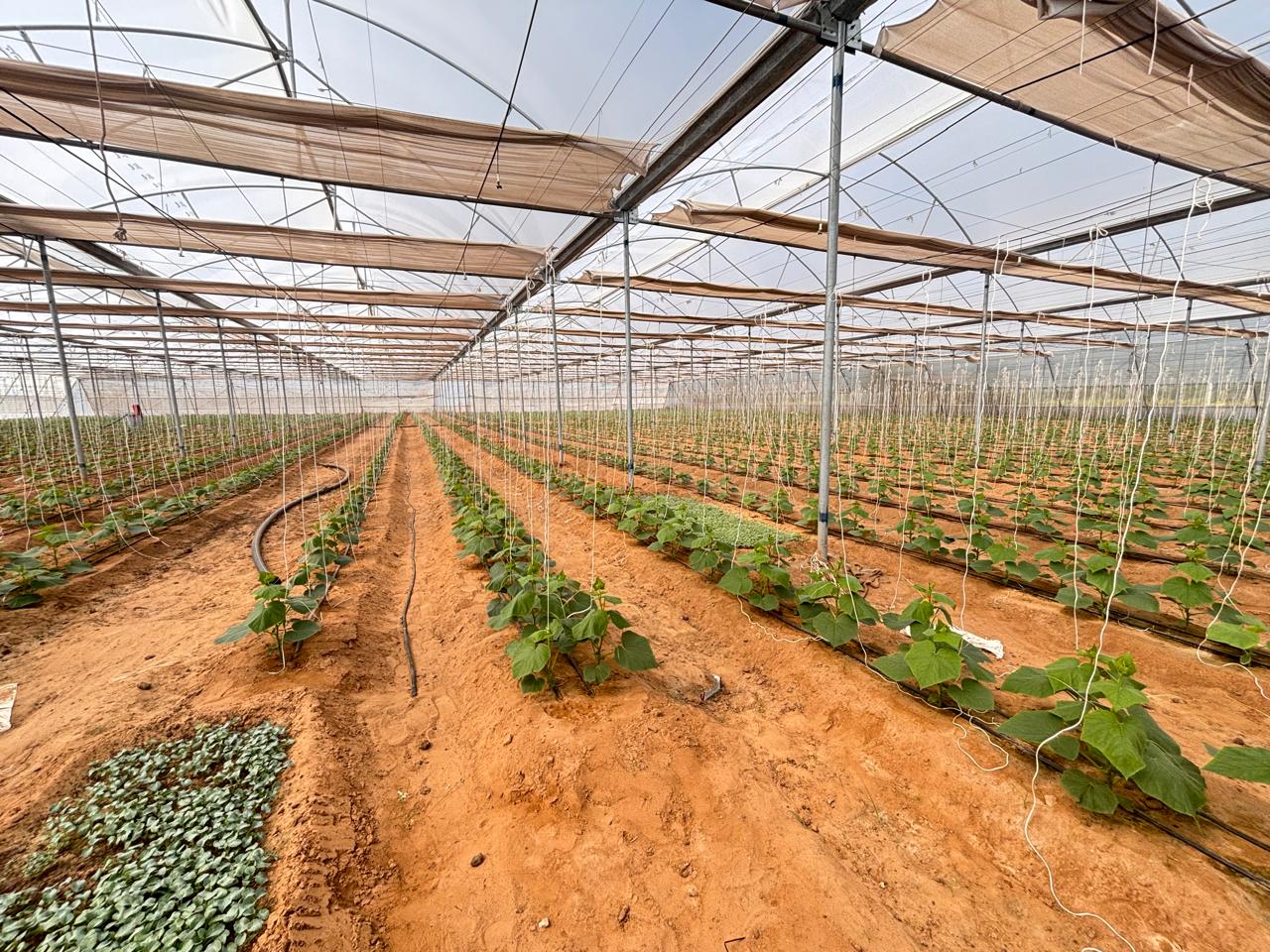
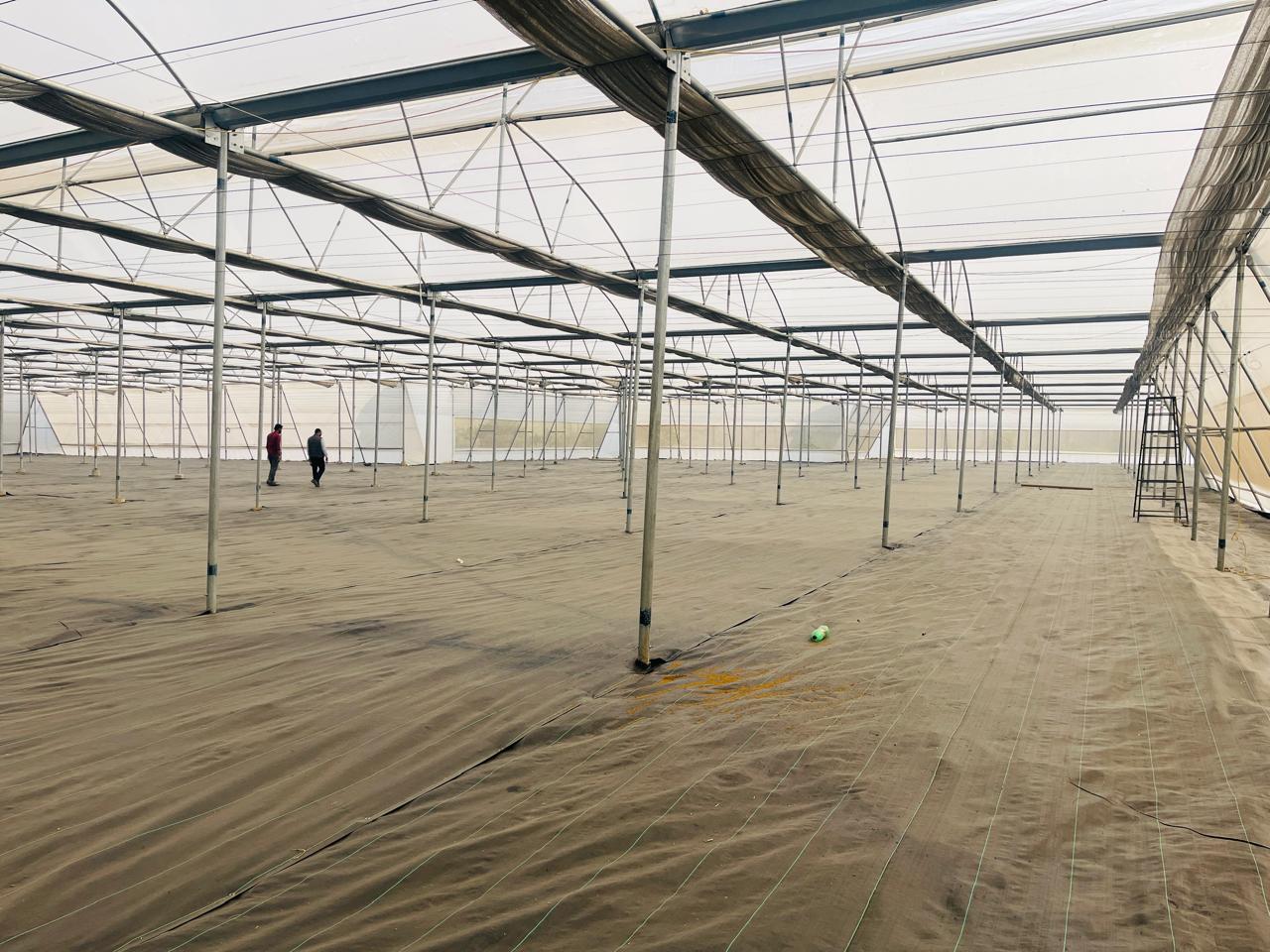
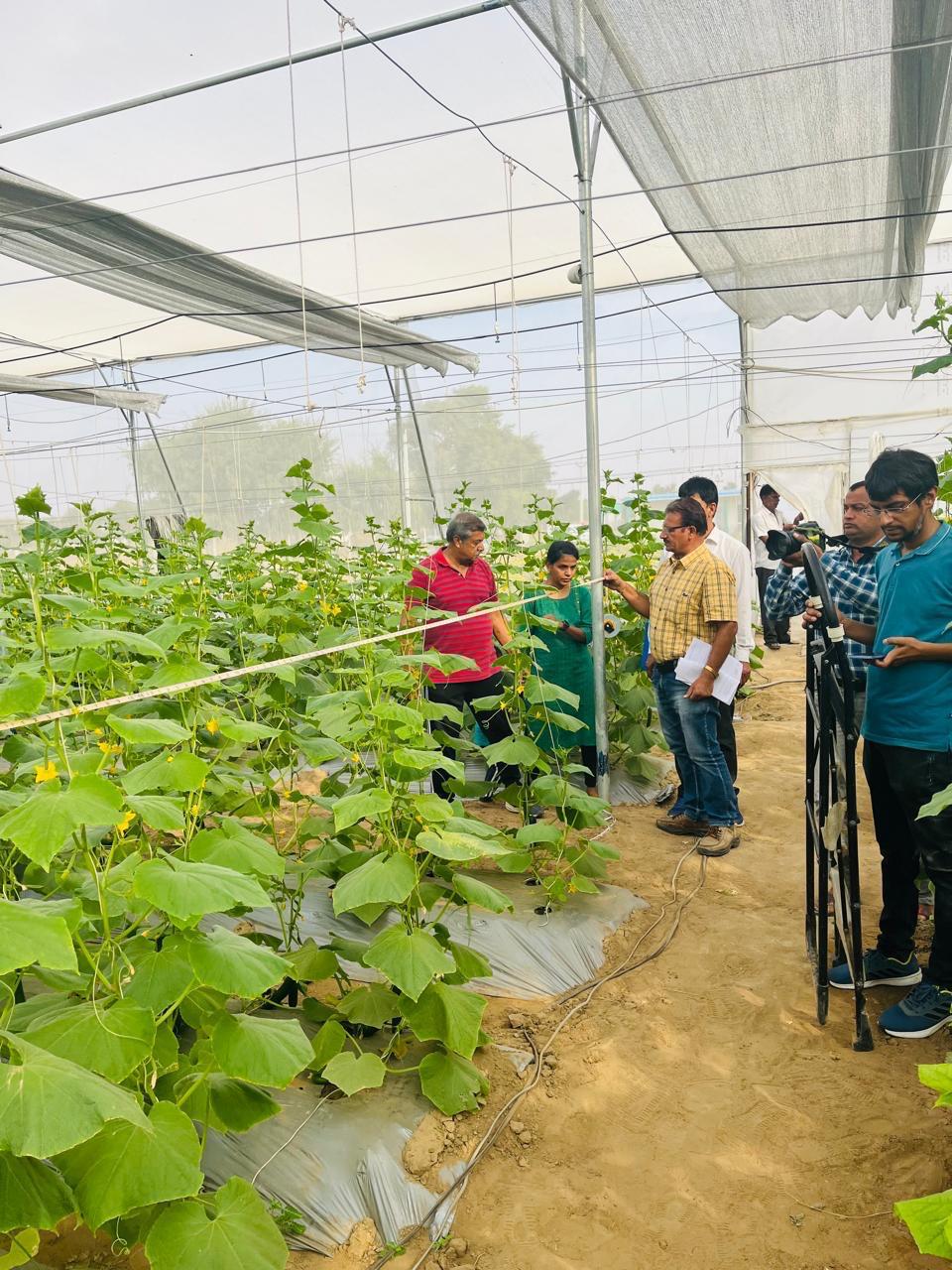
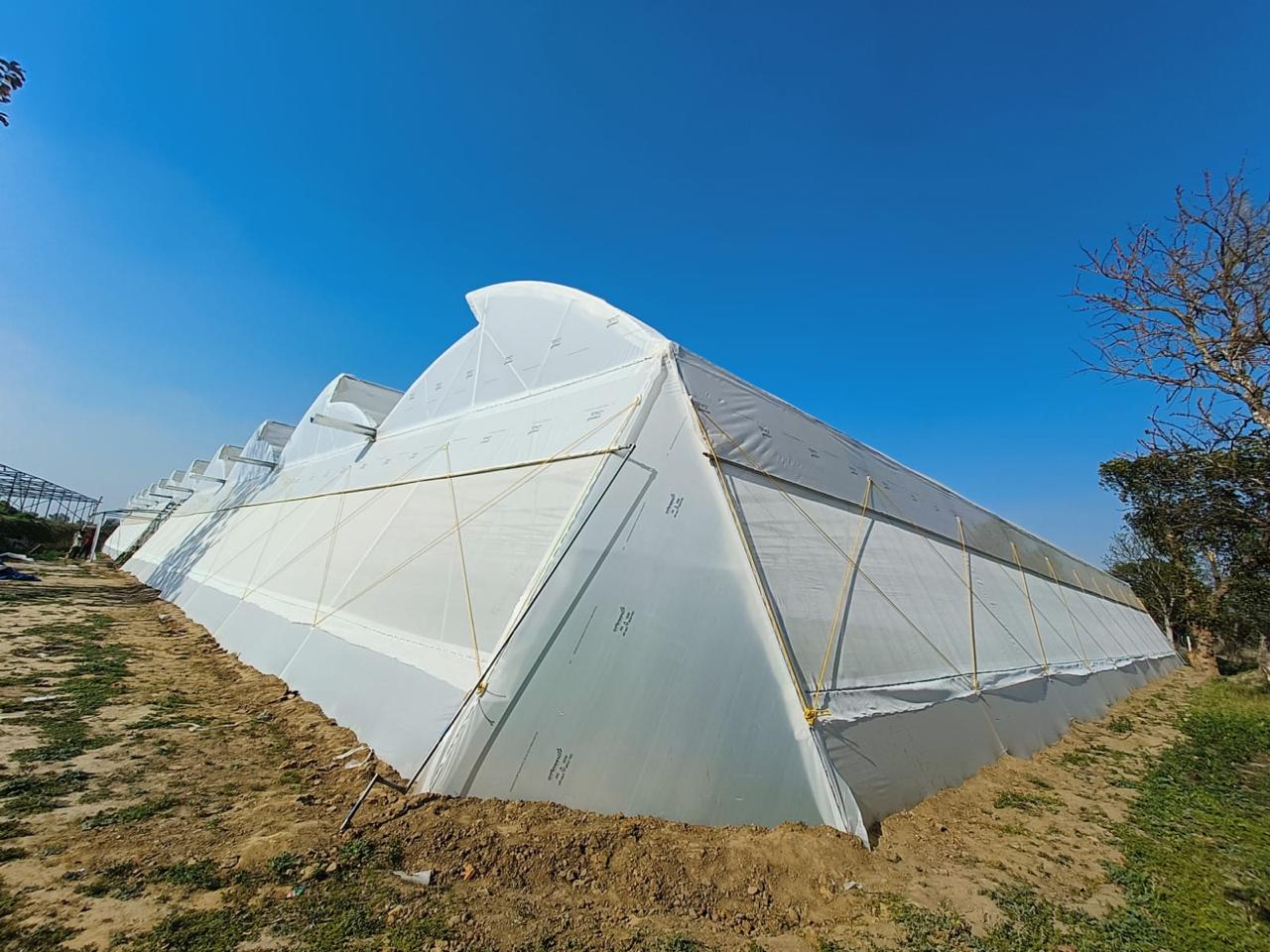
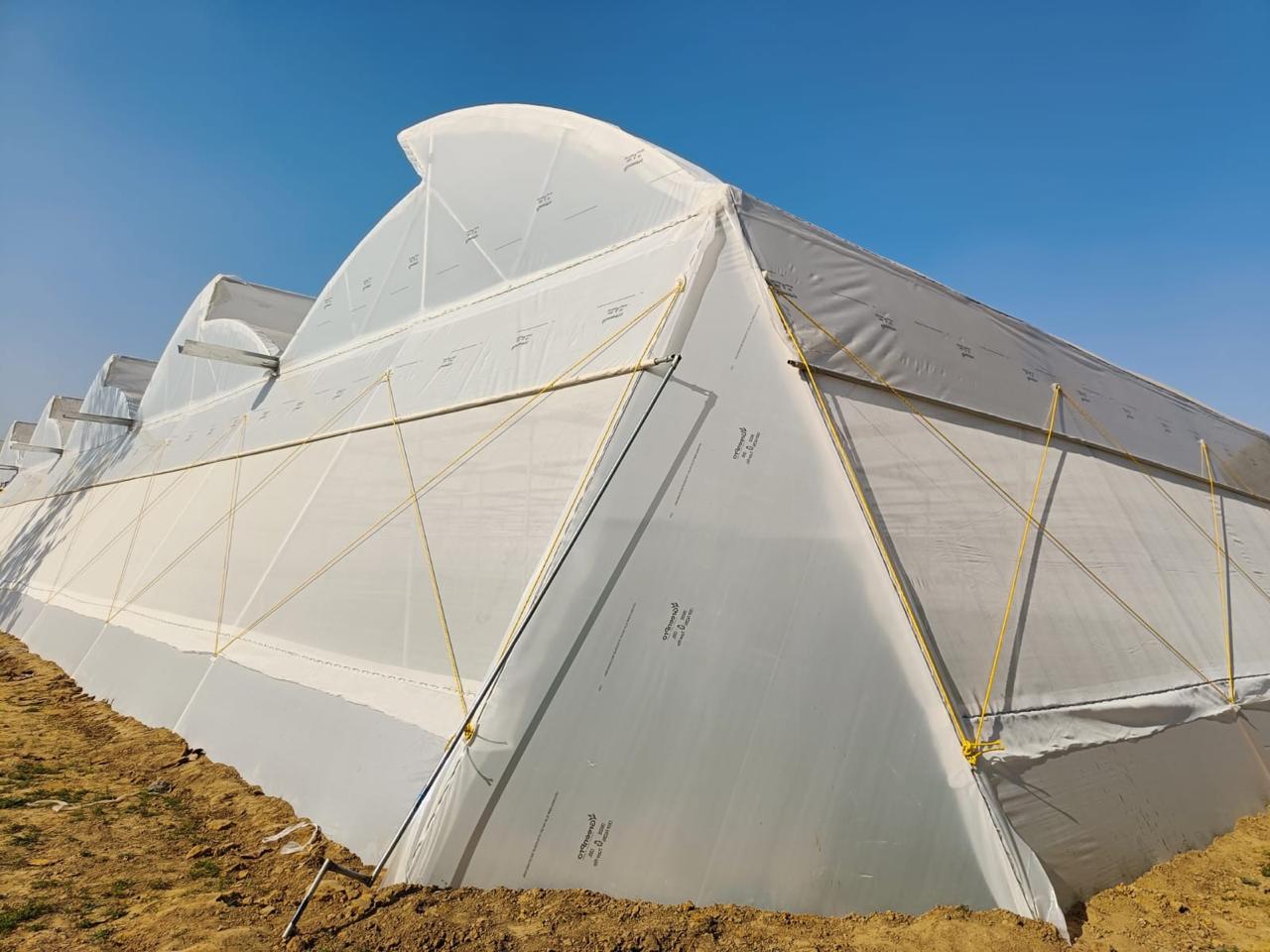
Walk-in tunnel agriculture employs protected, semi-circular polyethylene structures to cultivate high-value crops in controlled microclimates, boosting yields by 30-50% over open-field farming.
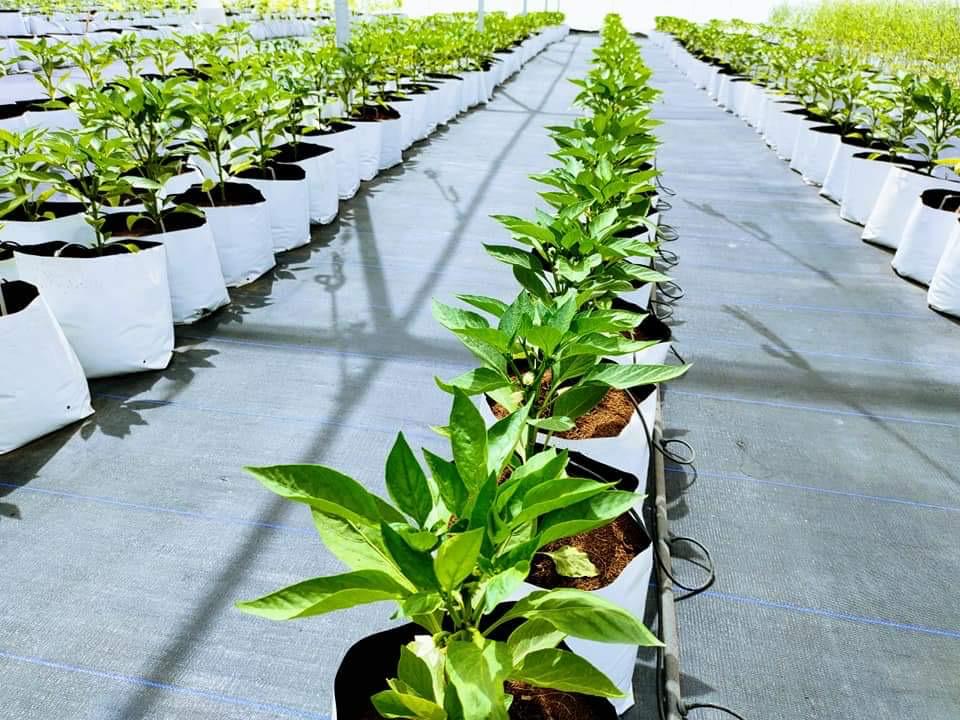
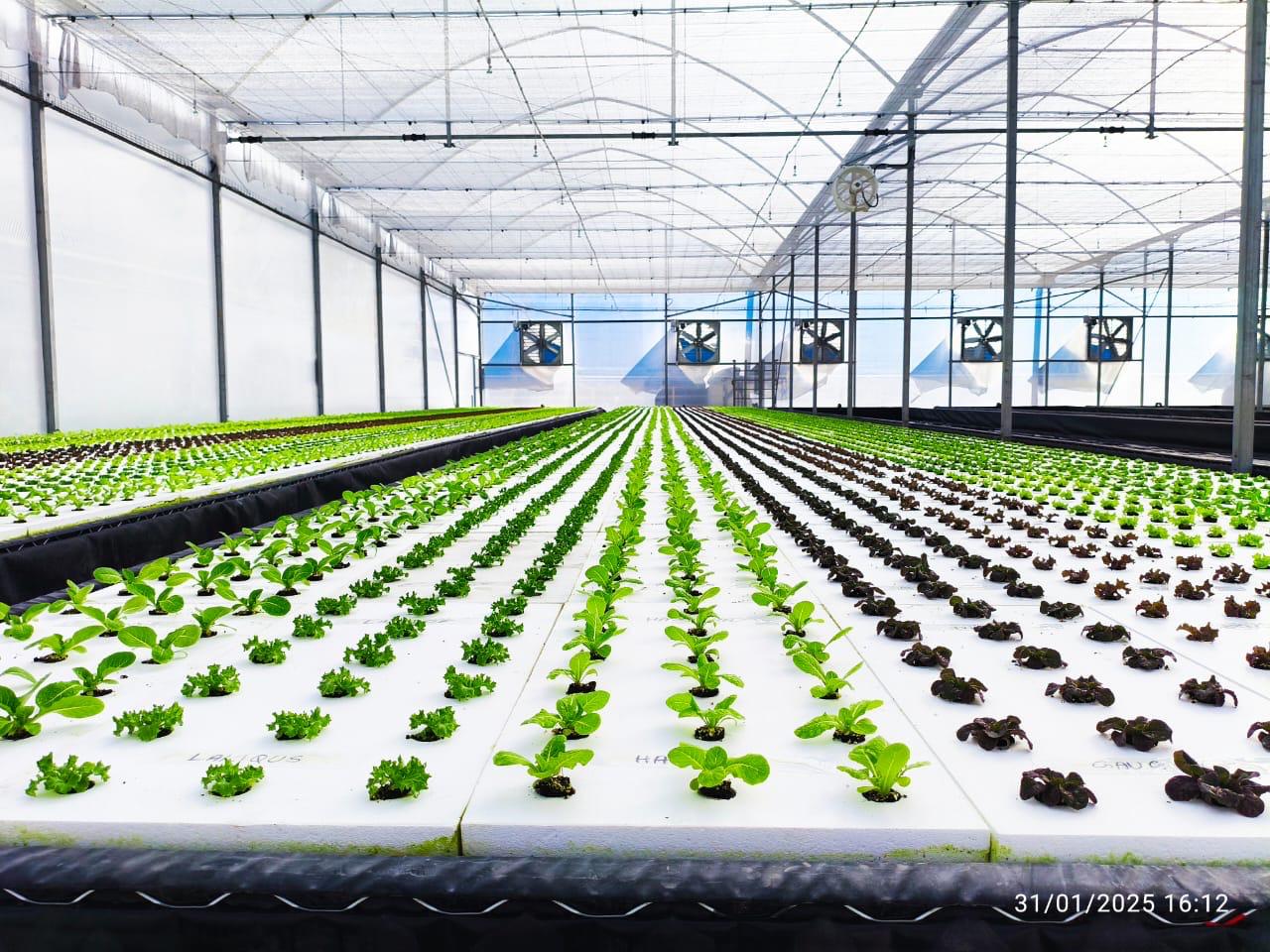
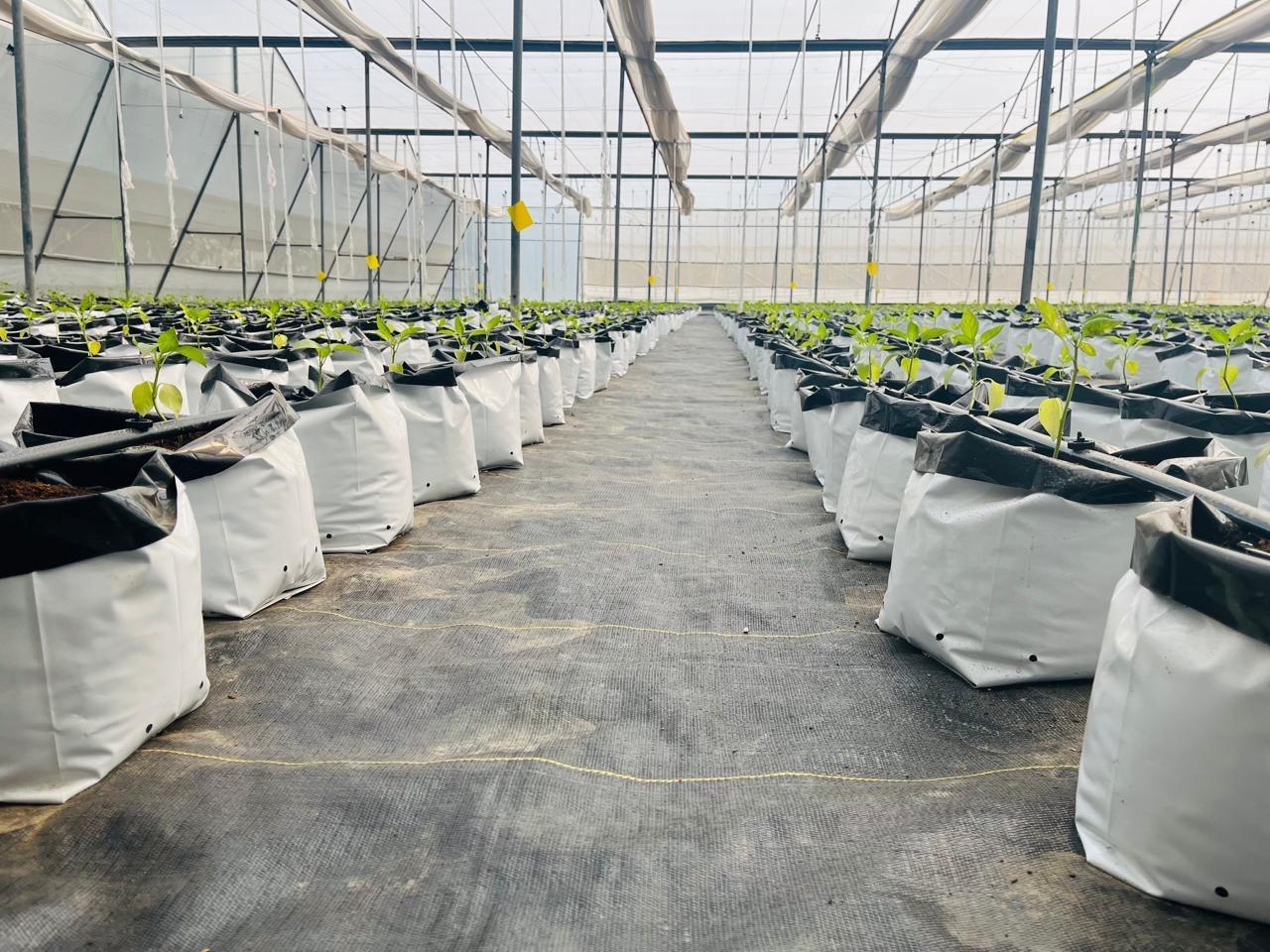
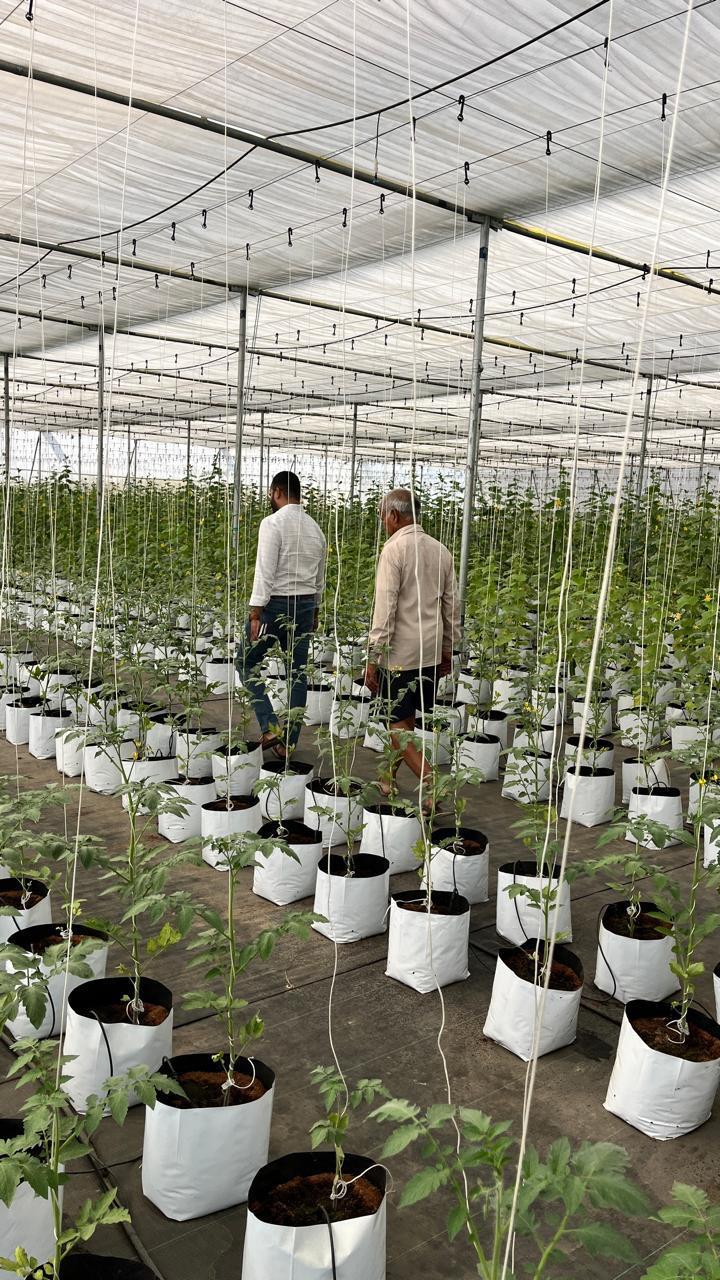
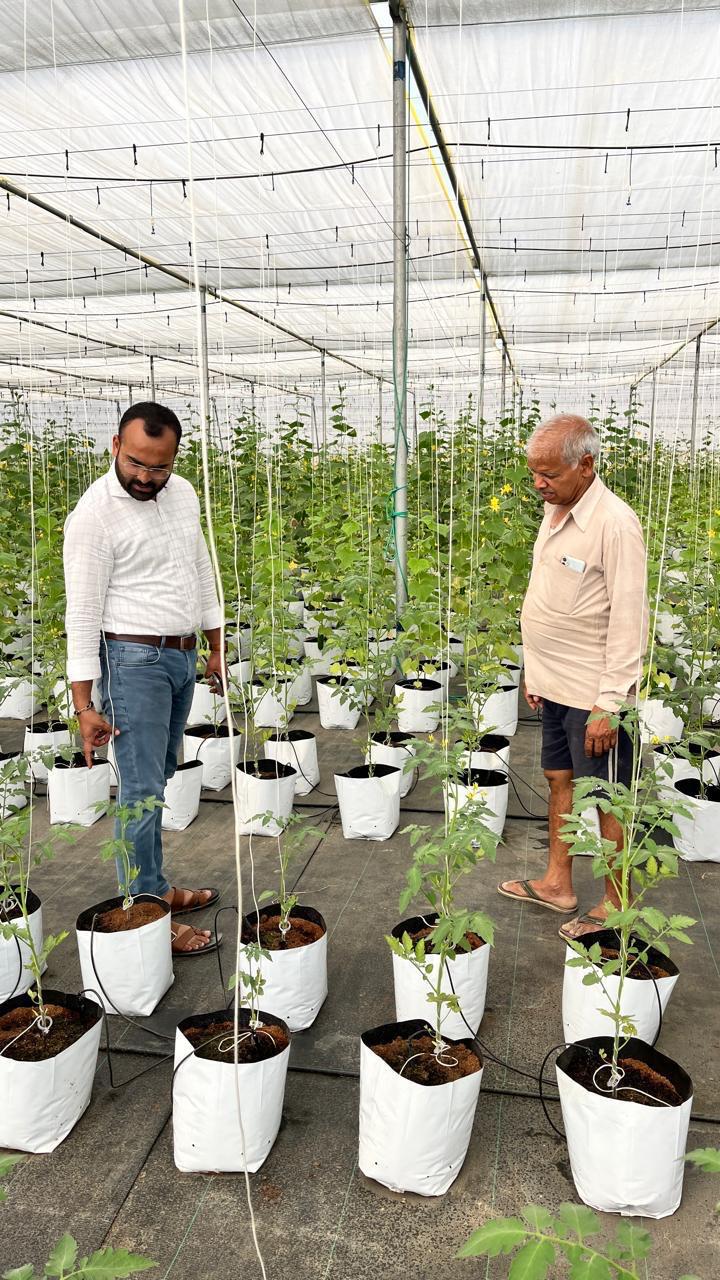
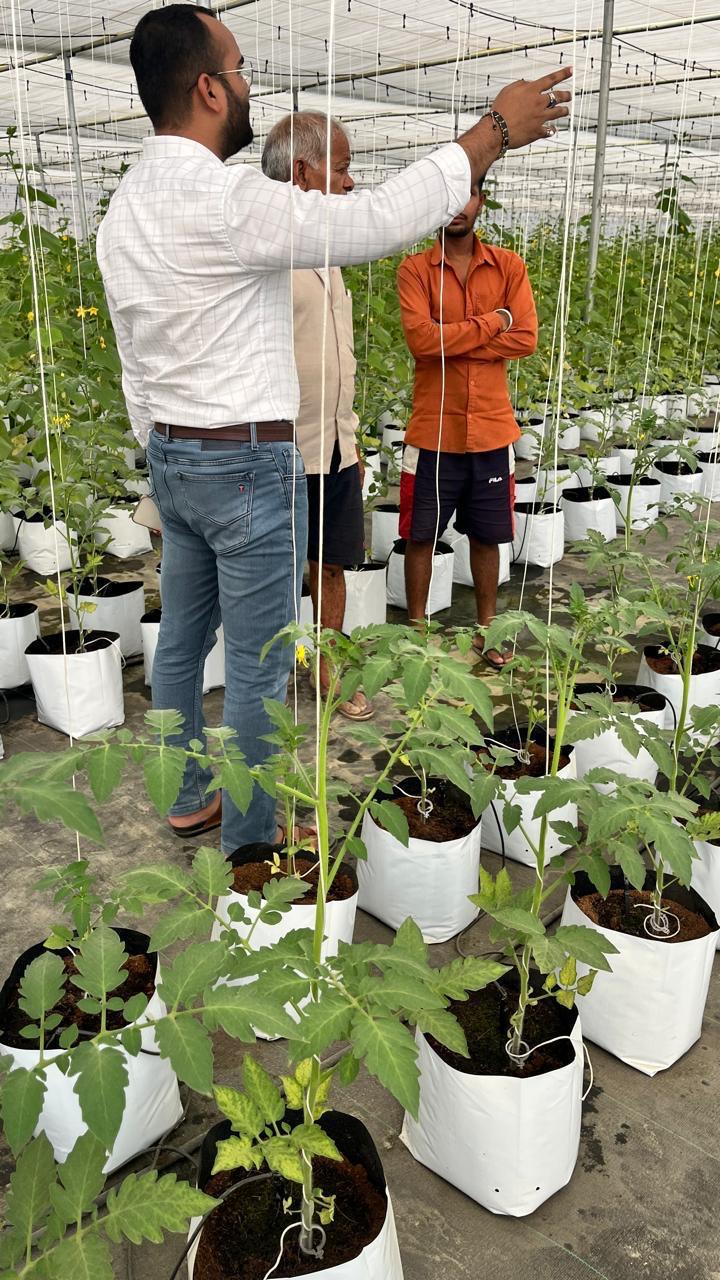
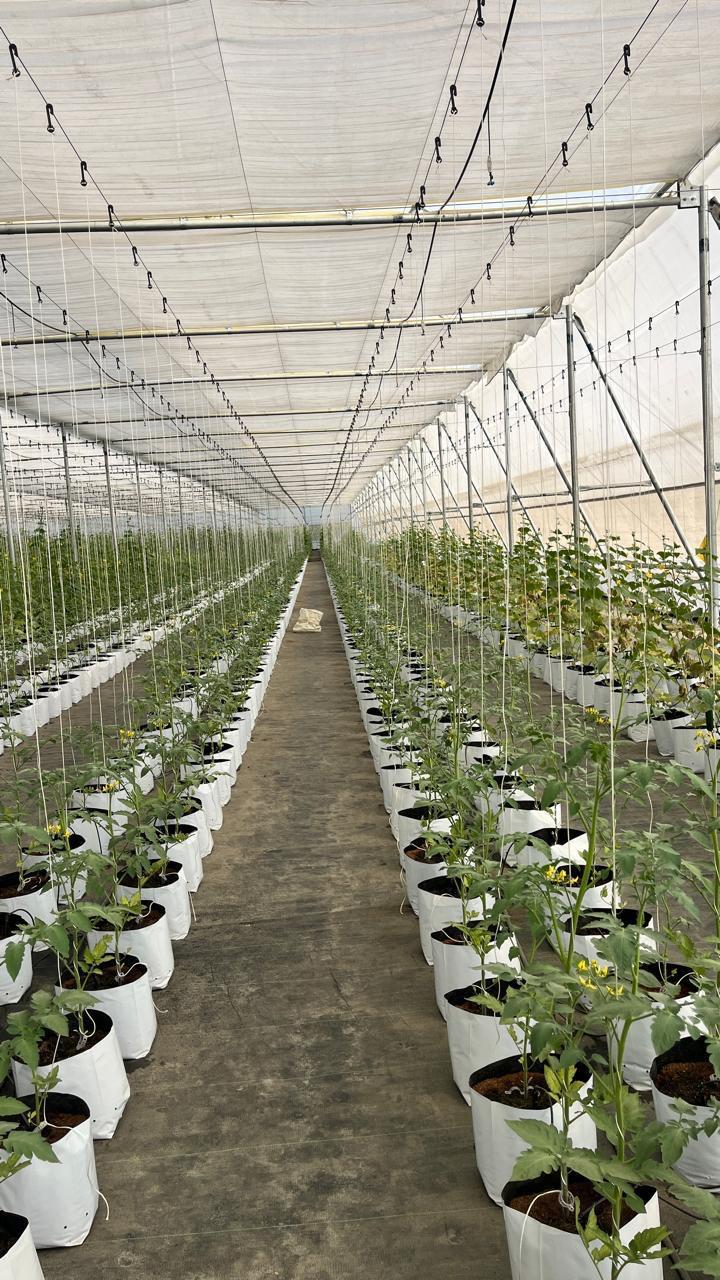
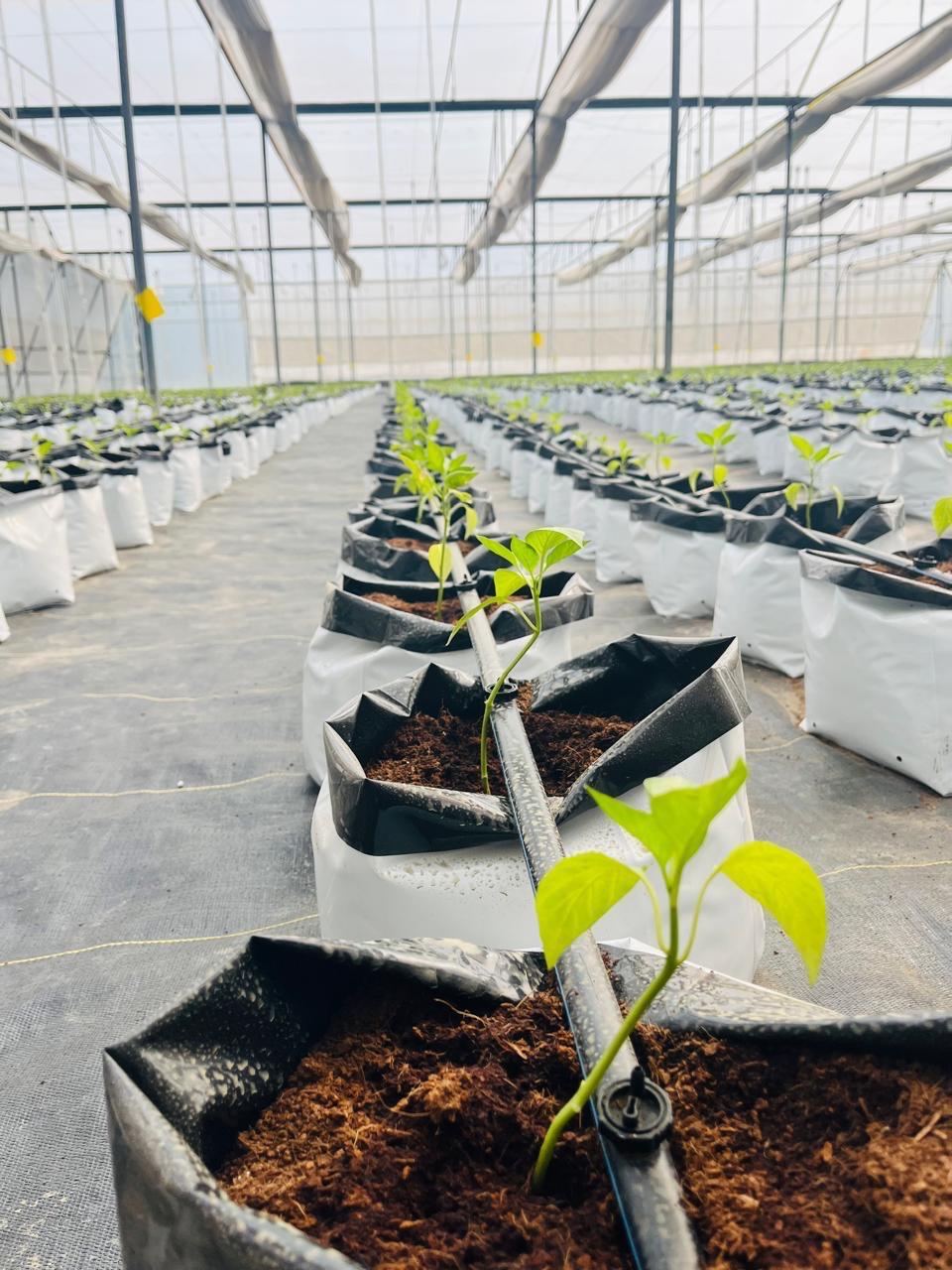
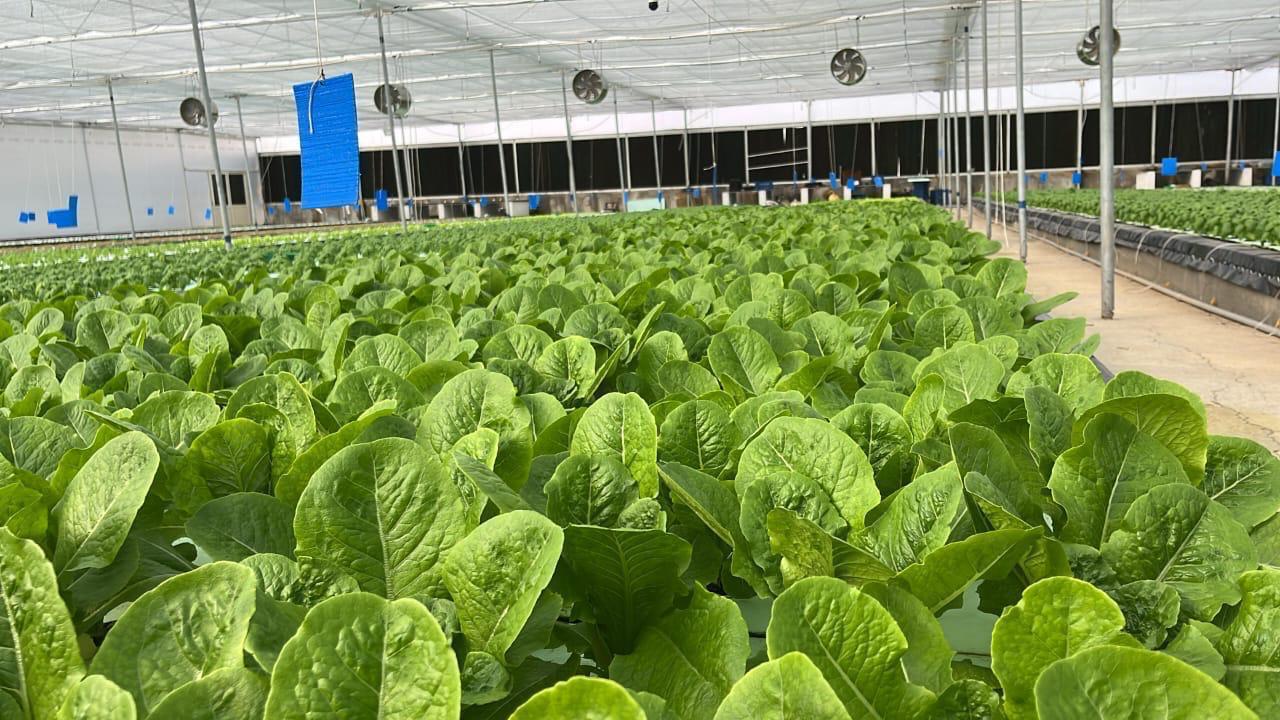
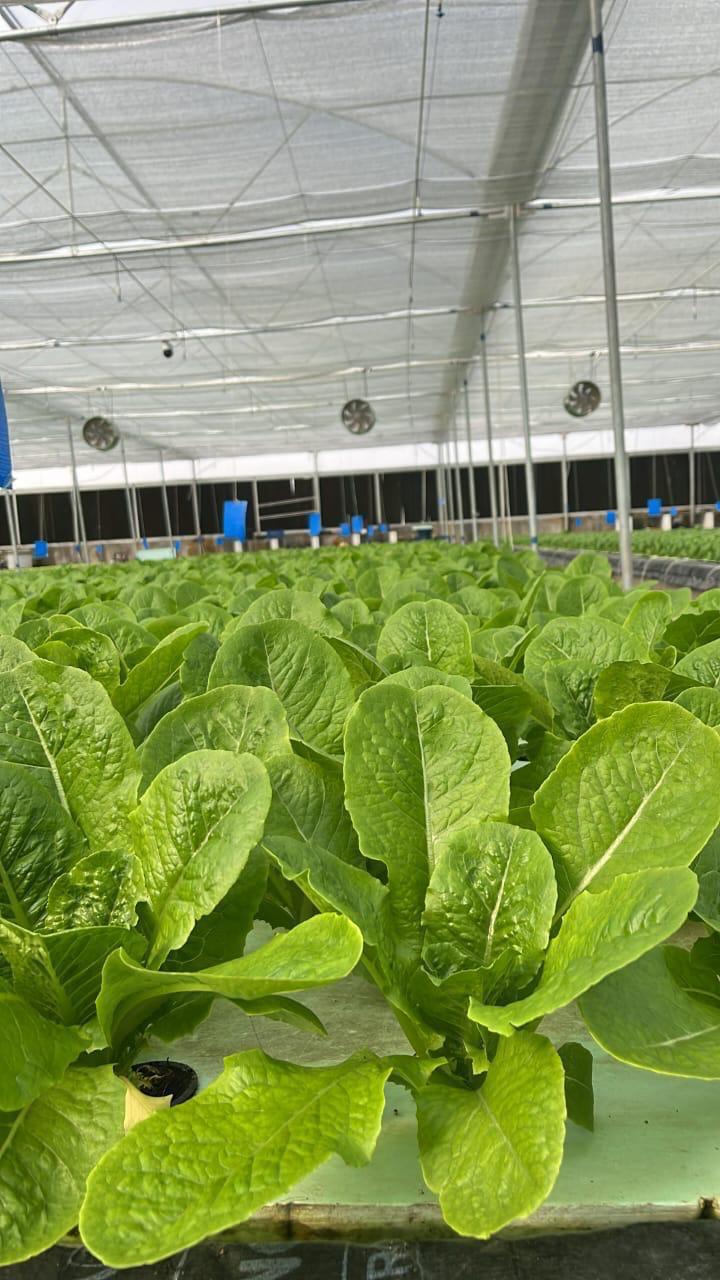
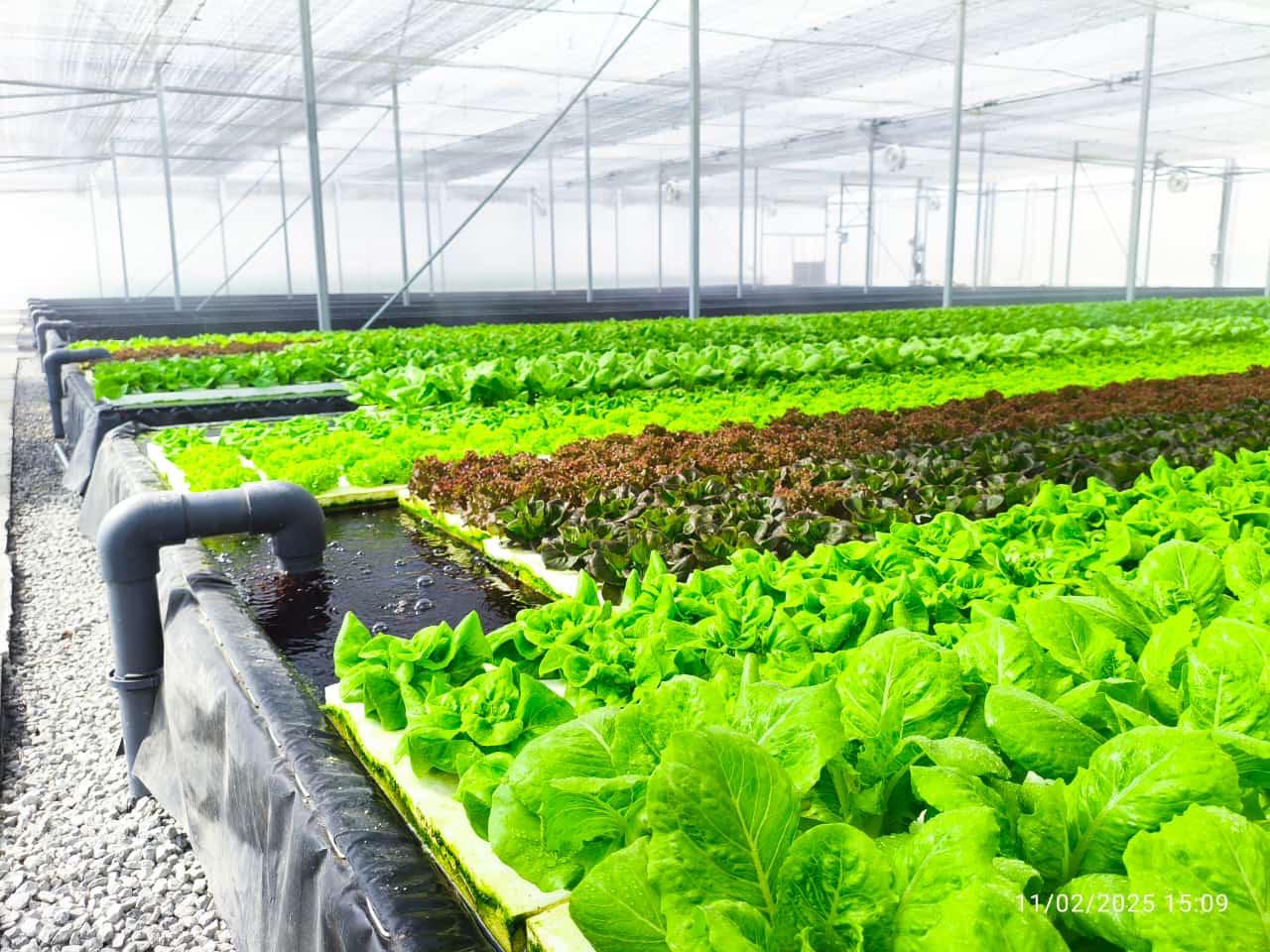
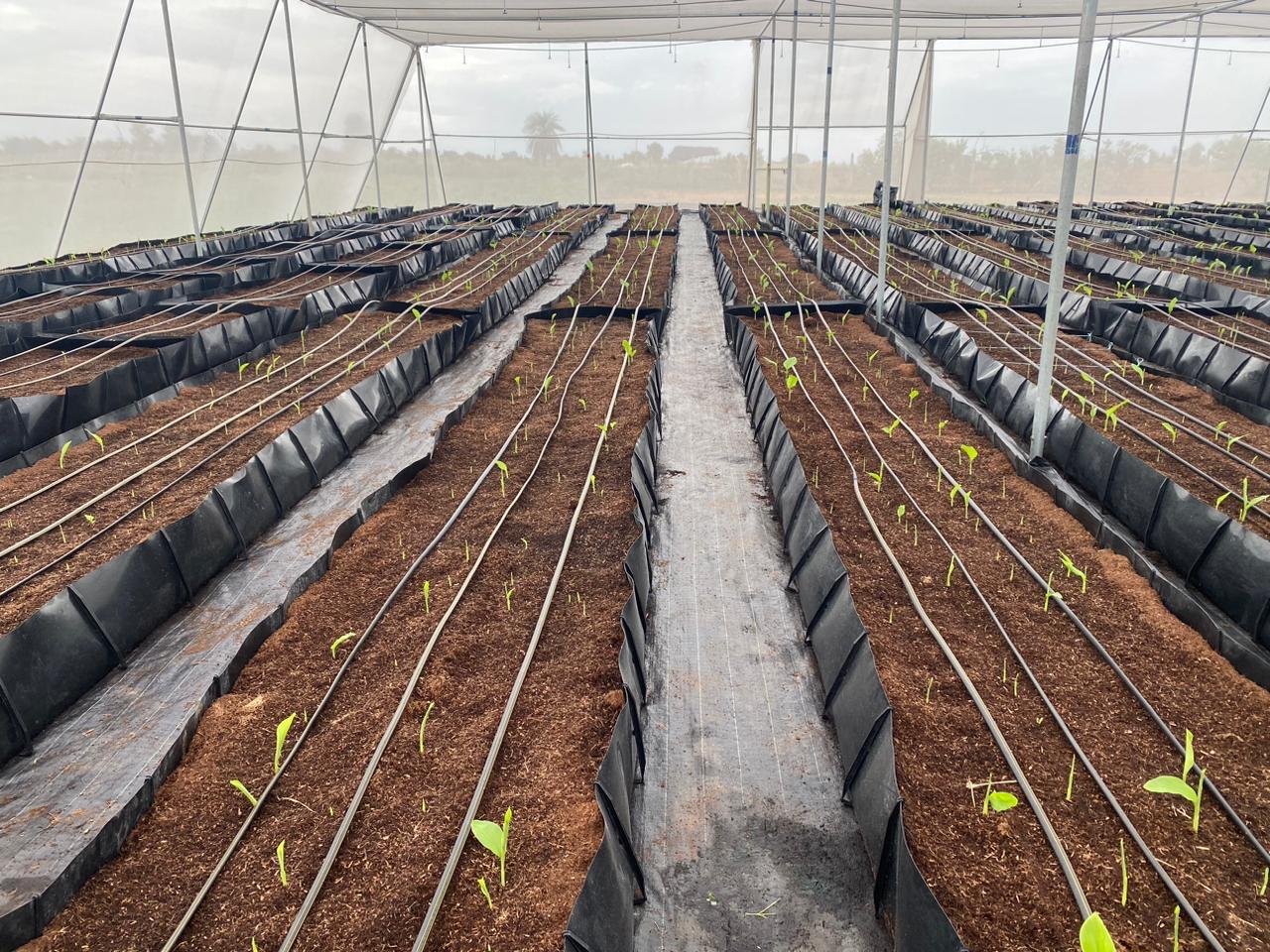
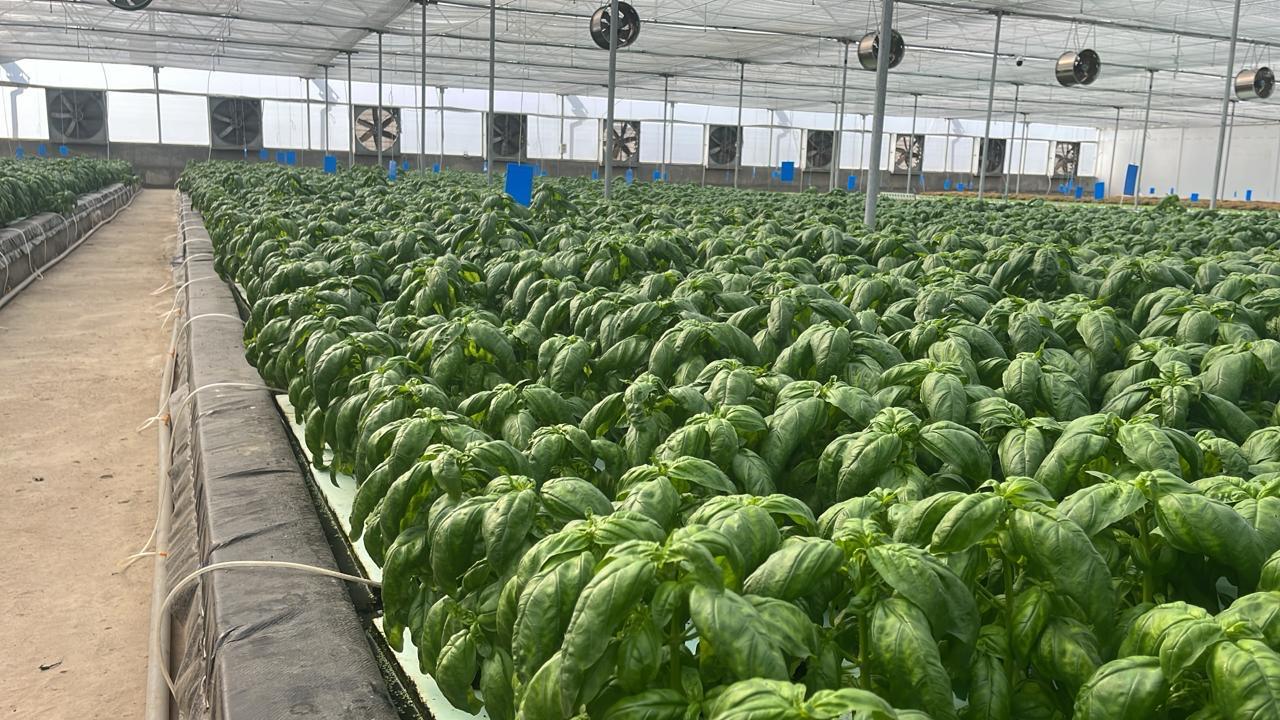
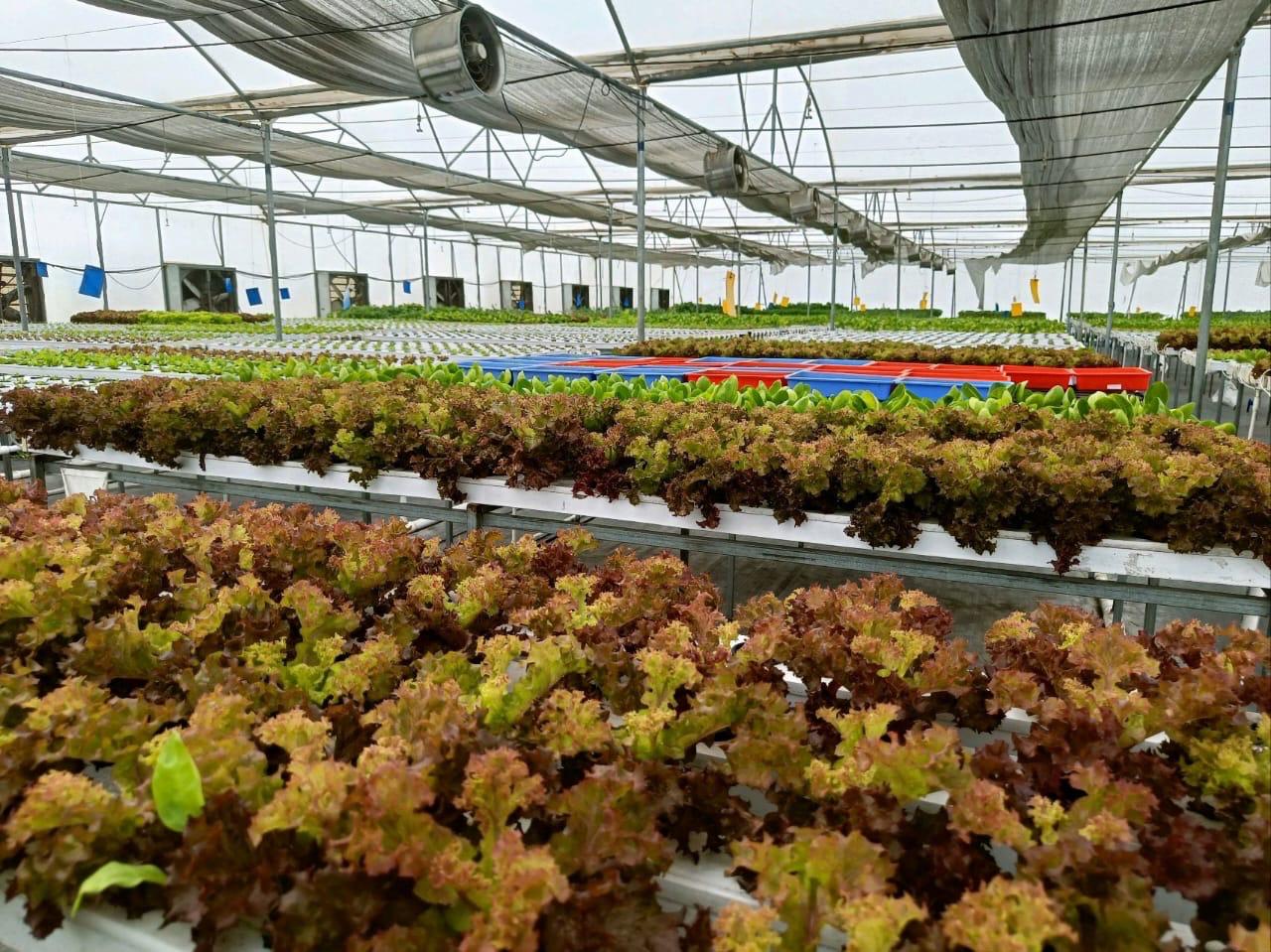
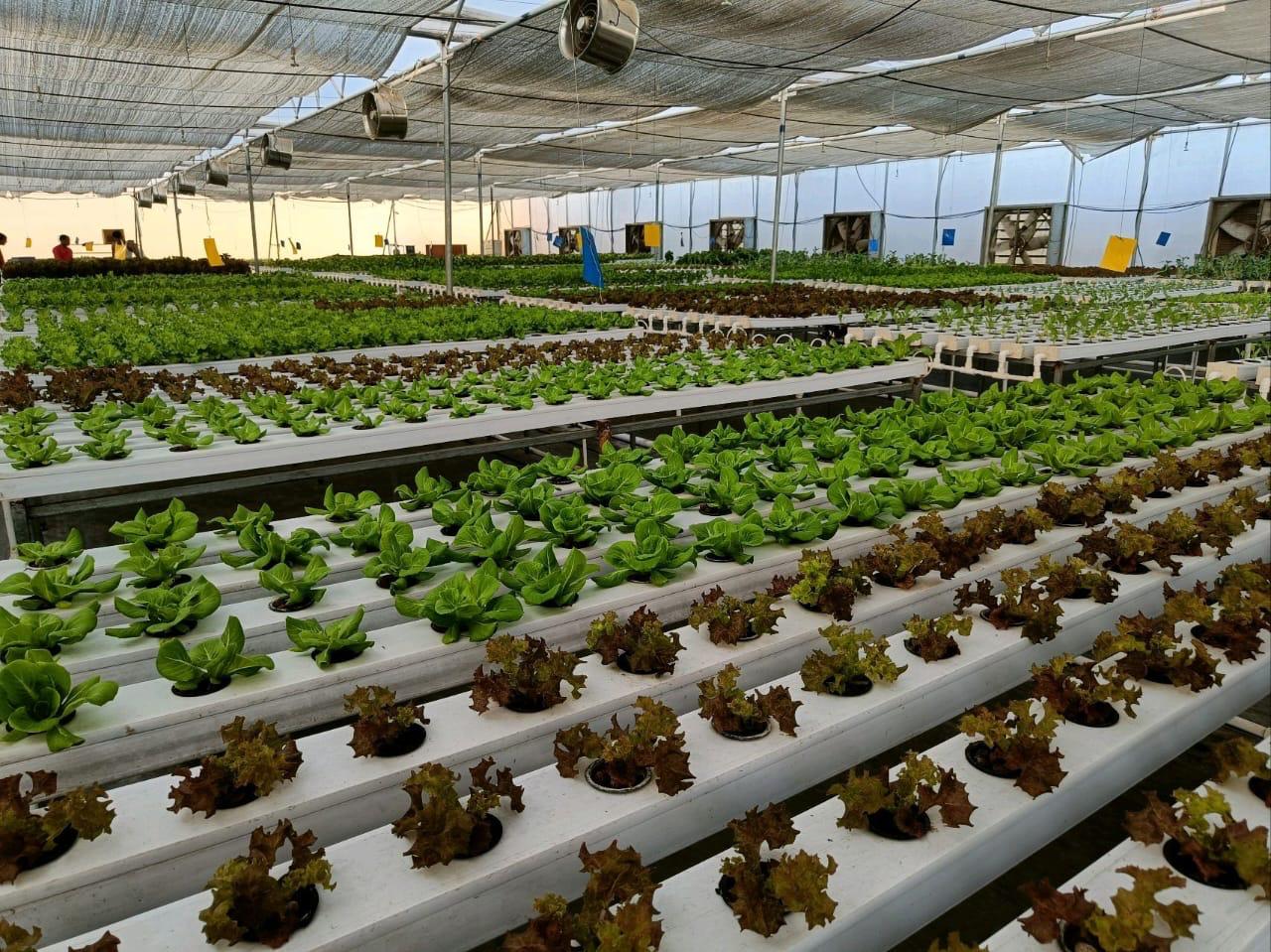
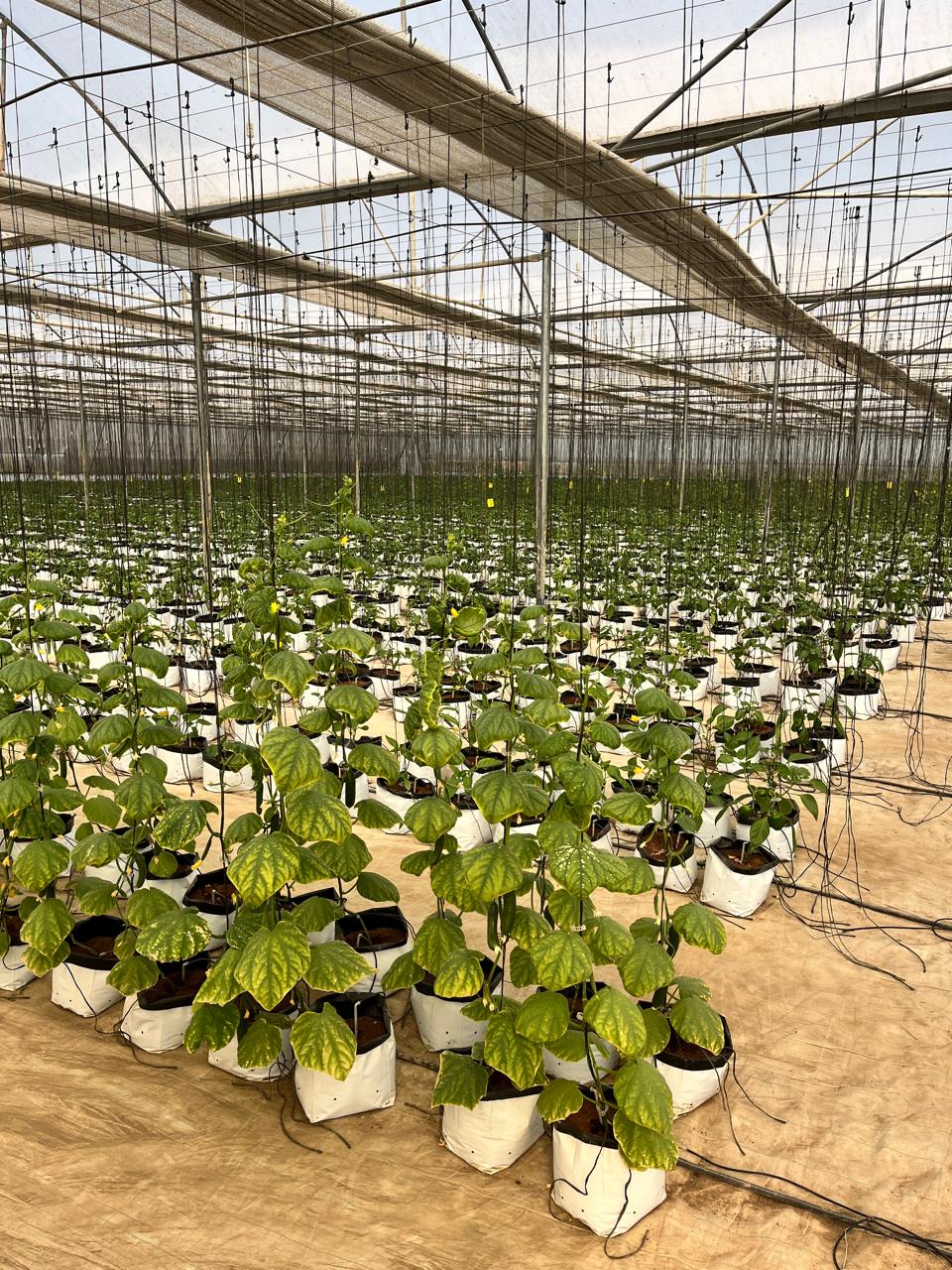
Hydroponics cultivates plants in nutrient-enriched water solutions without soil, enabling precise control over growth factors for superior efficiency.
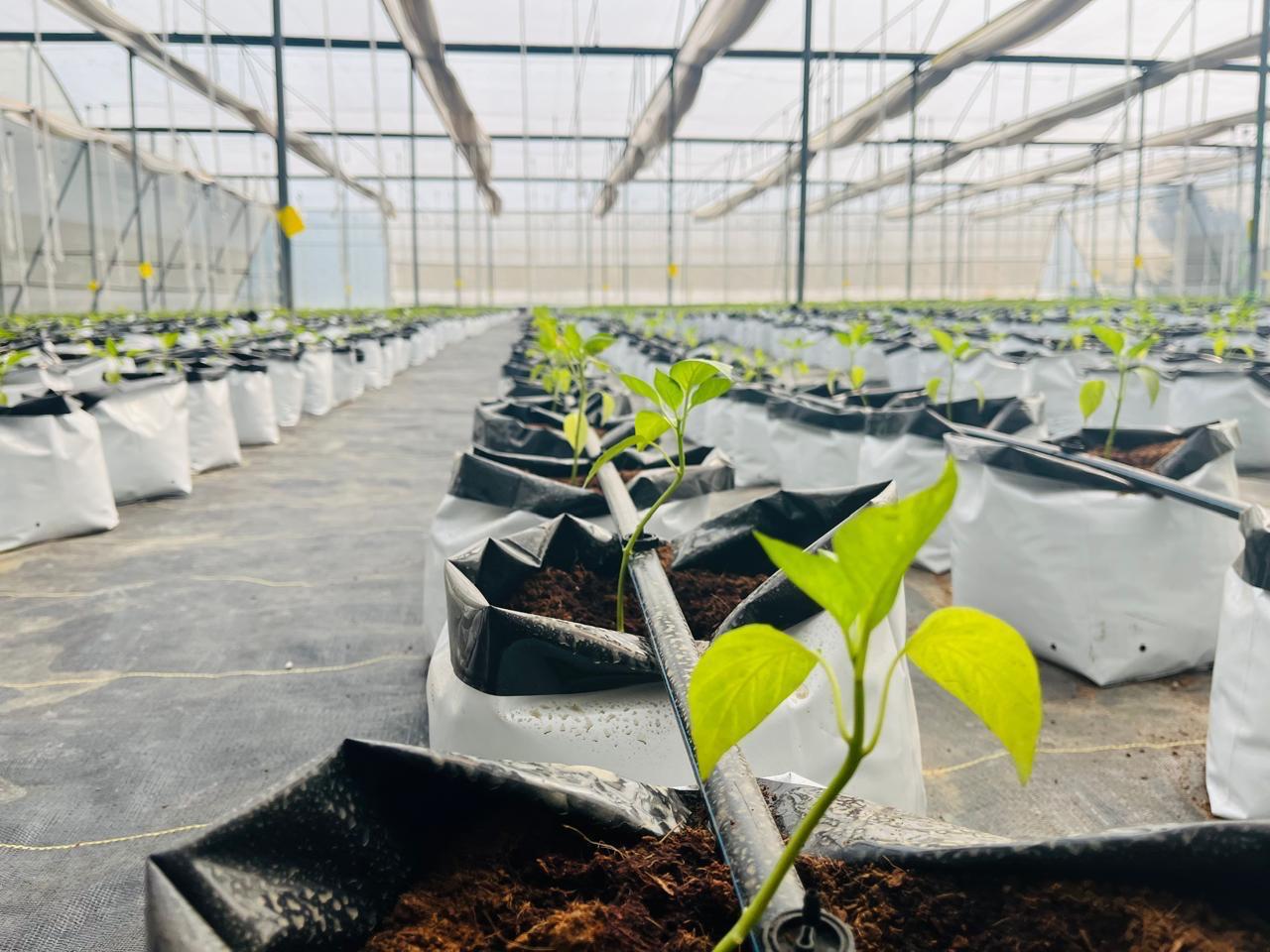
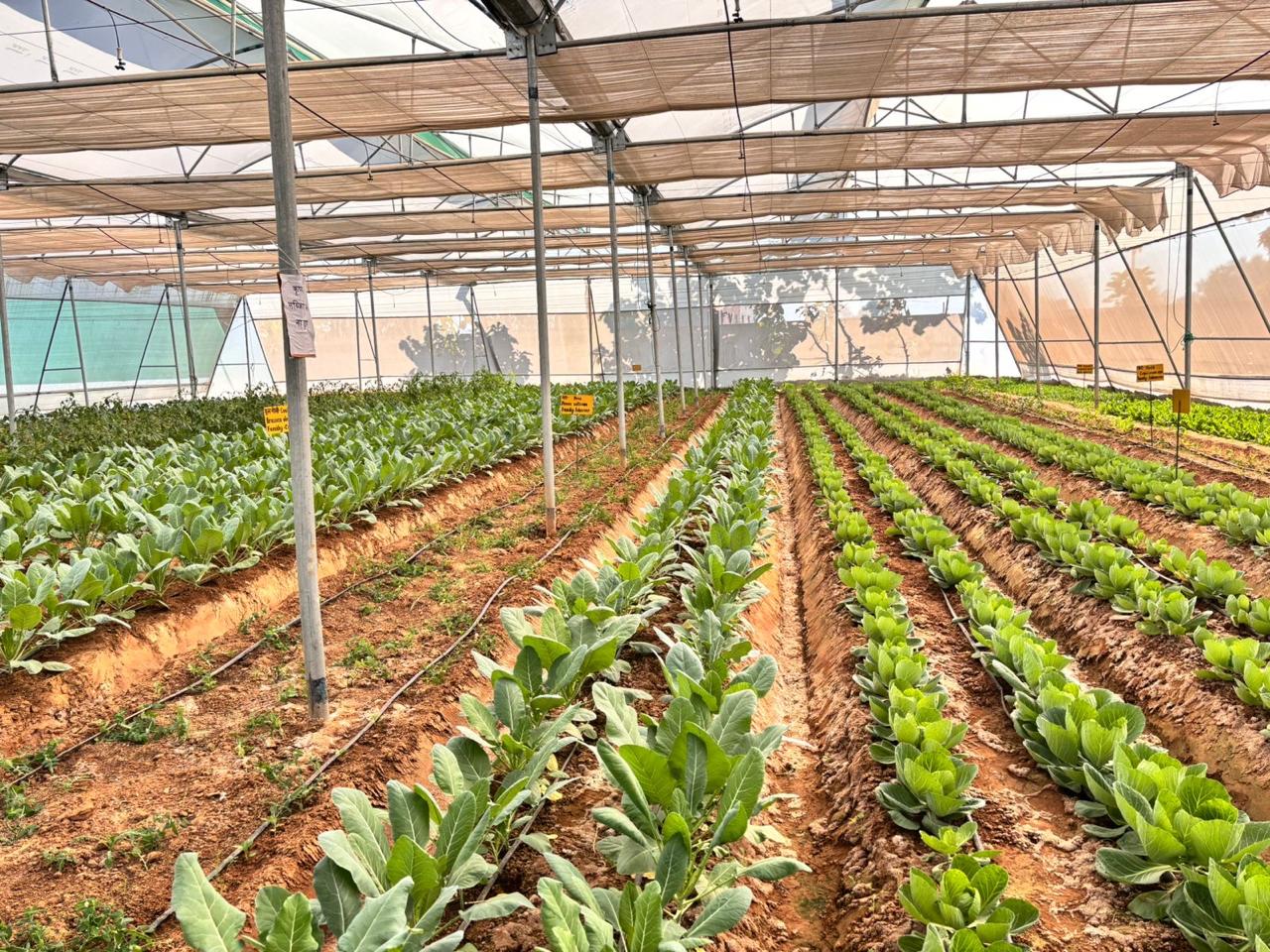
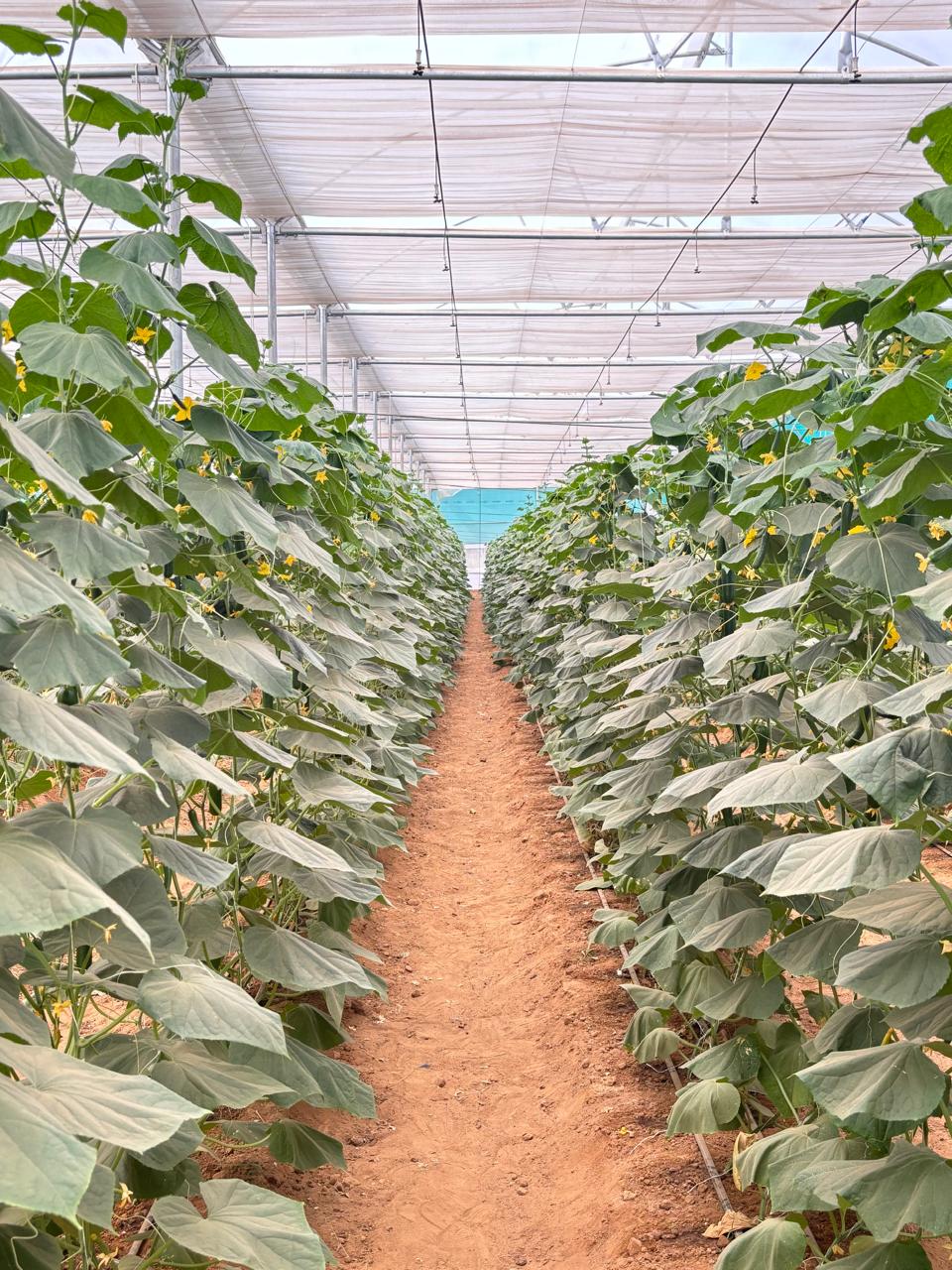
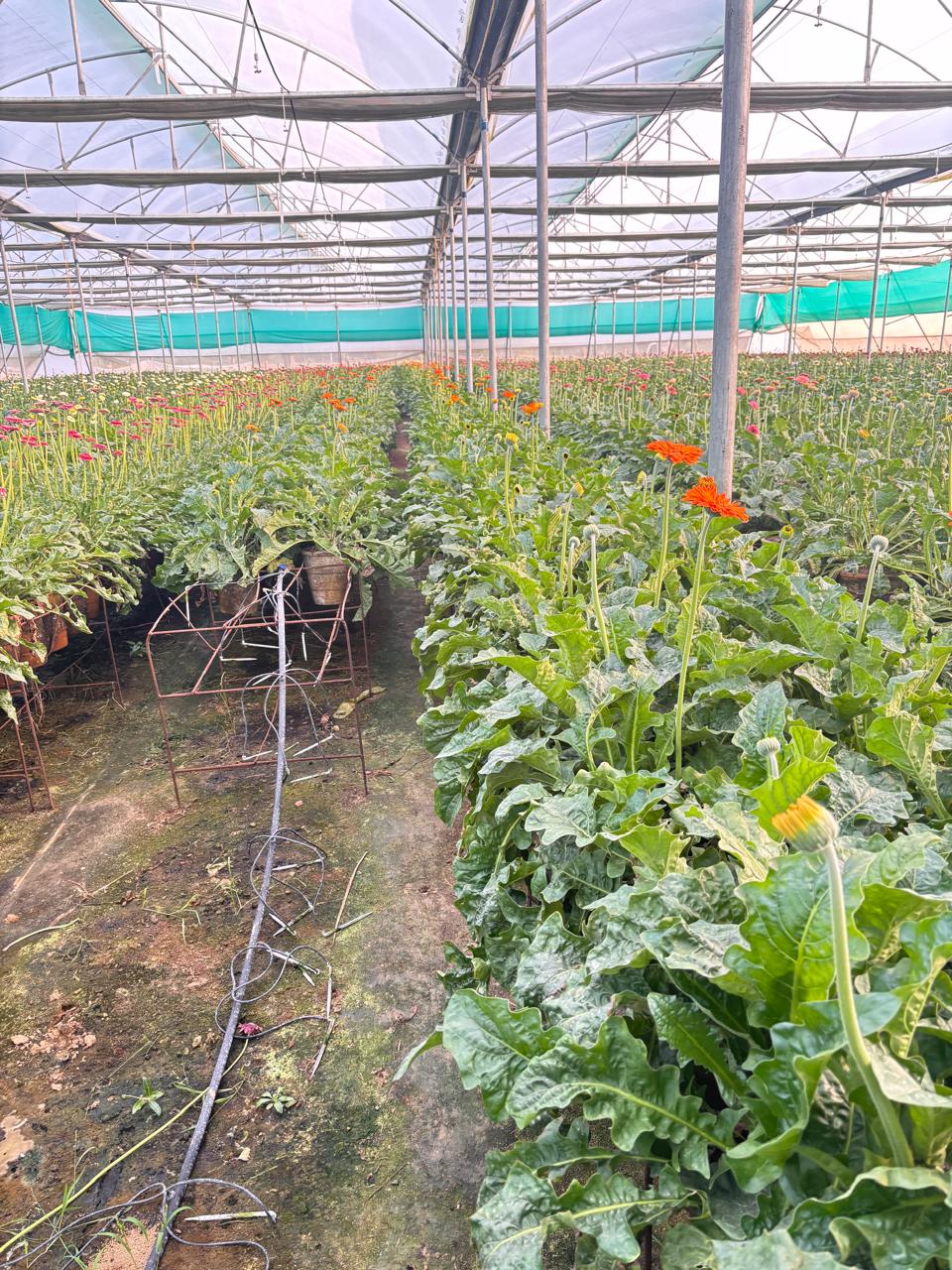
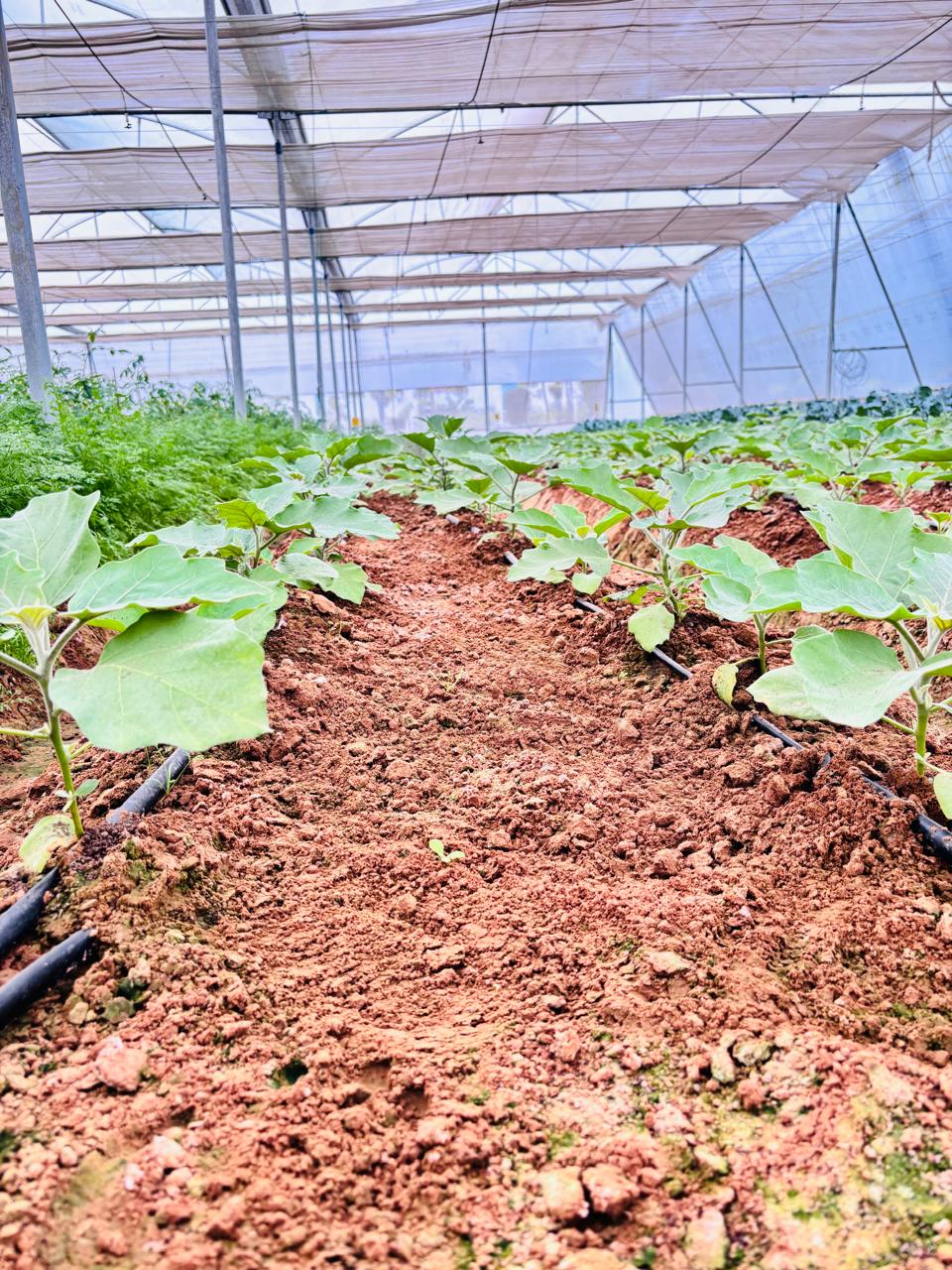
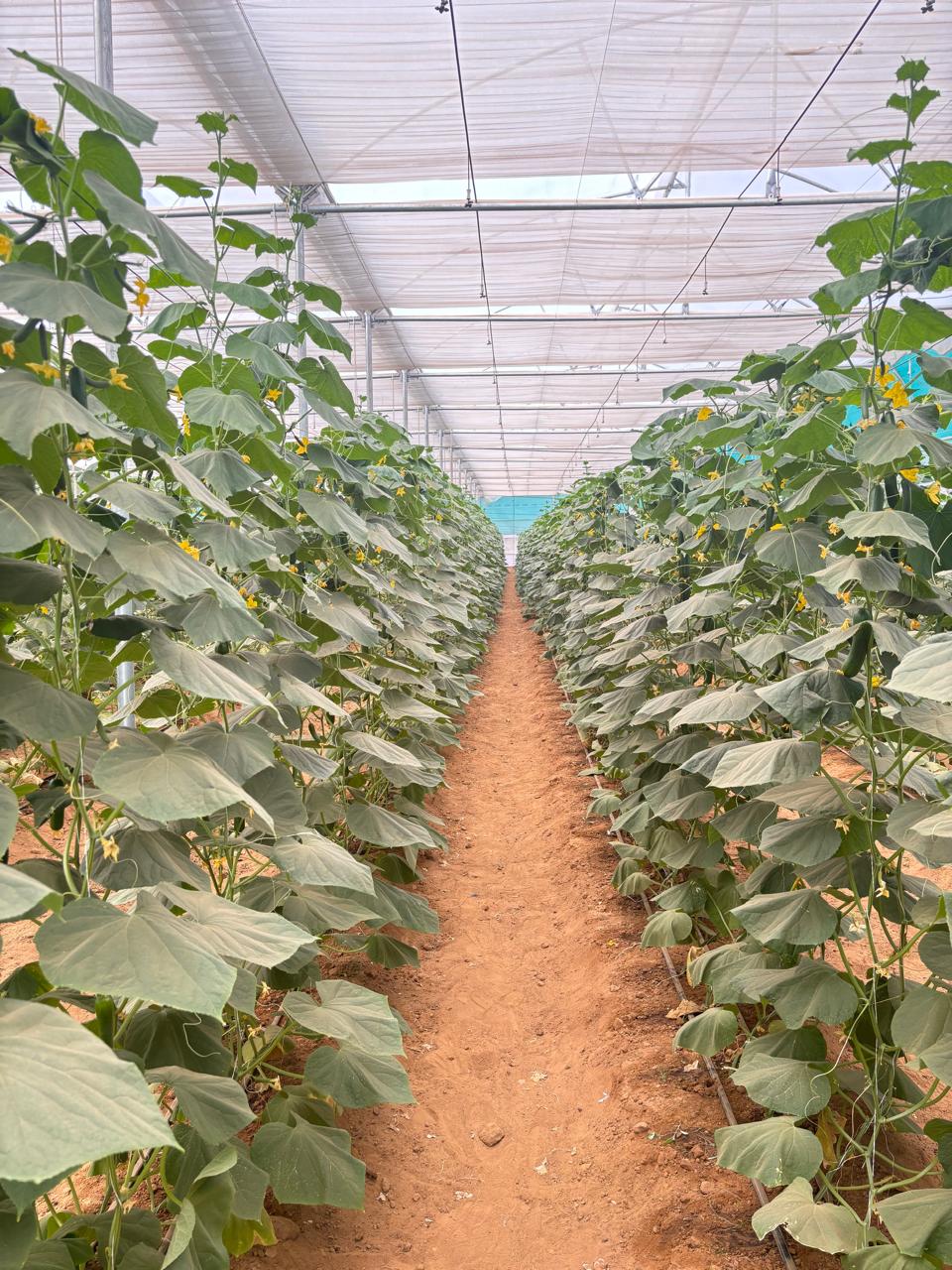
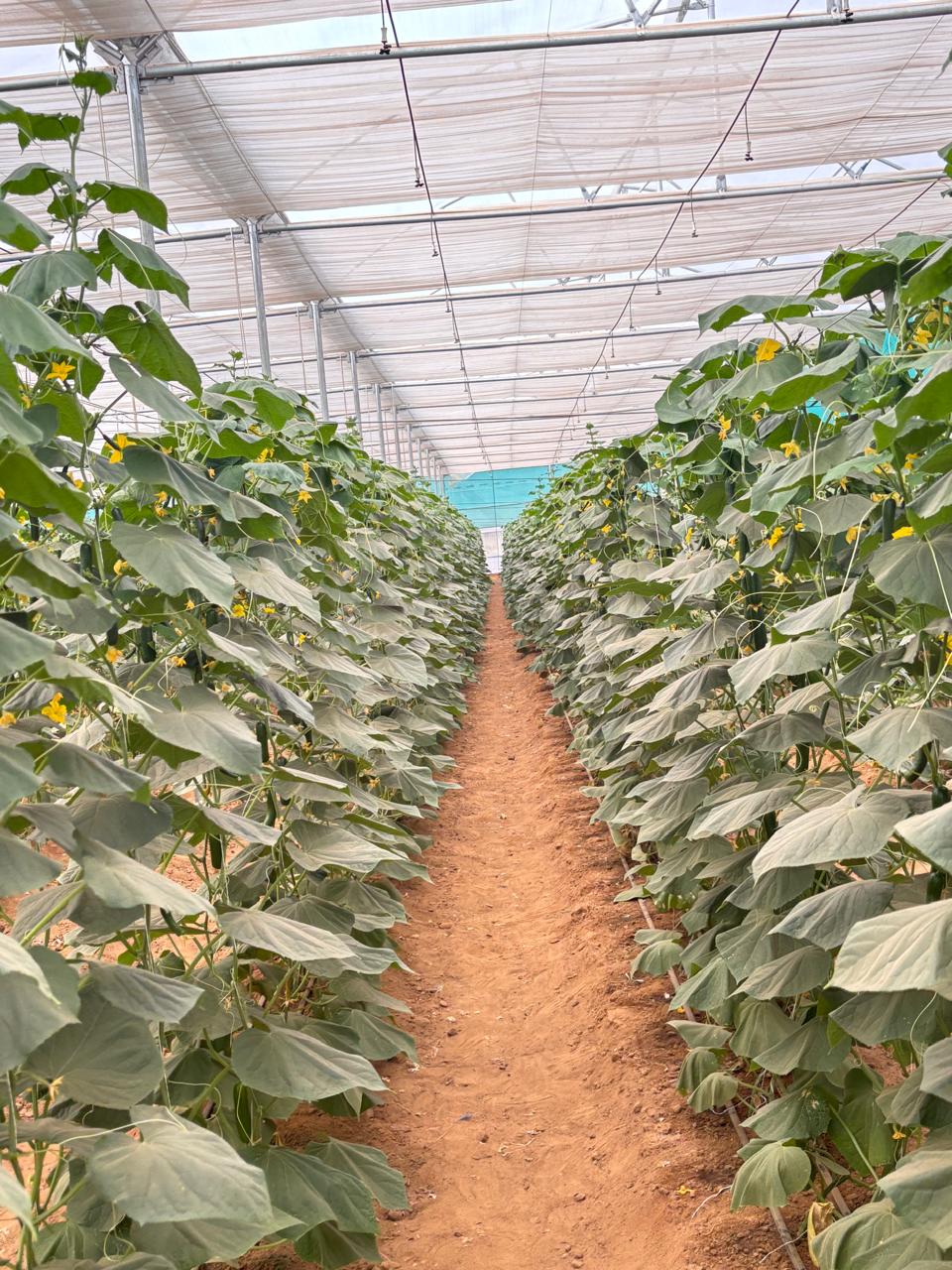
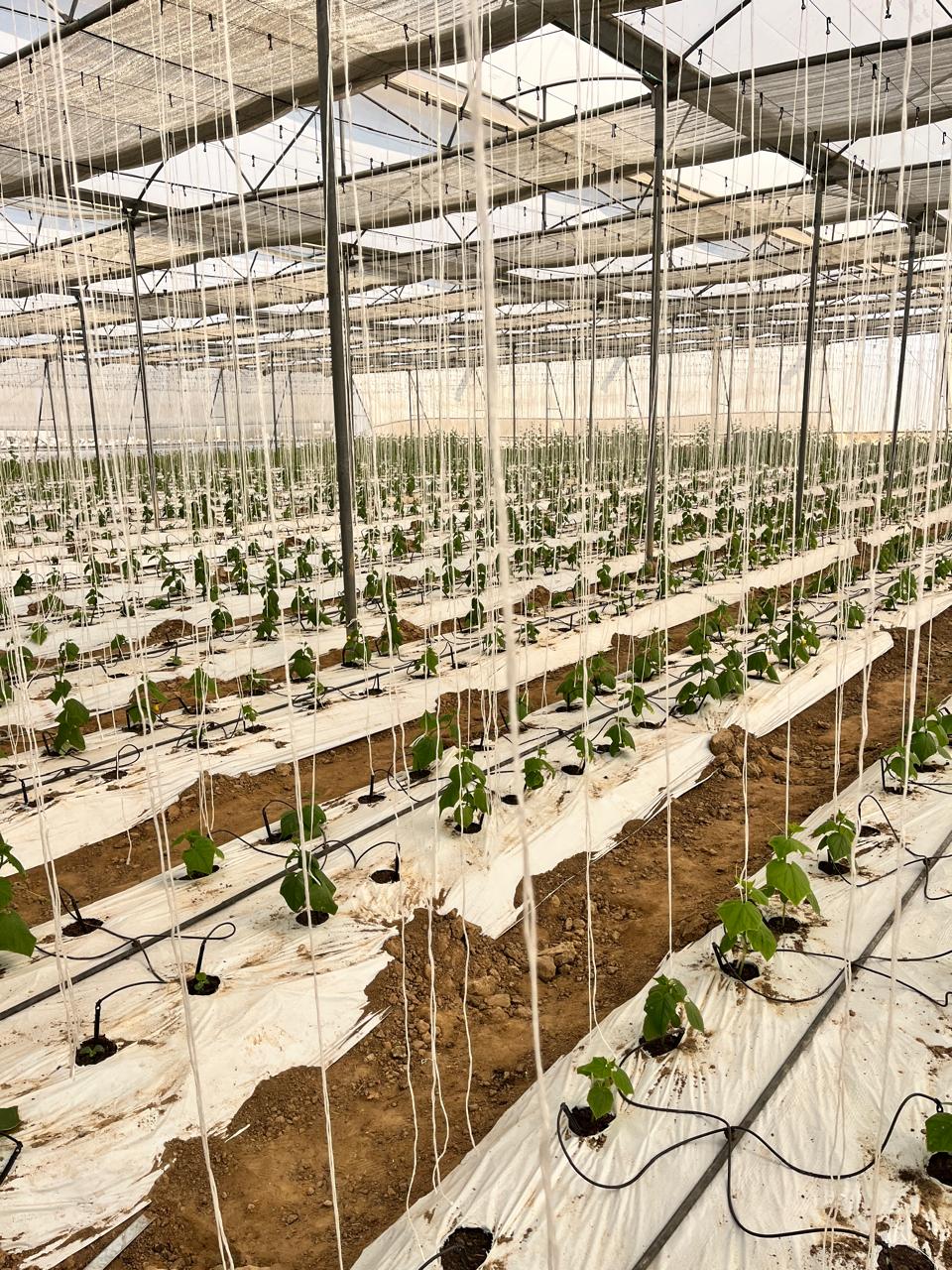
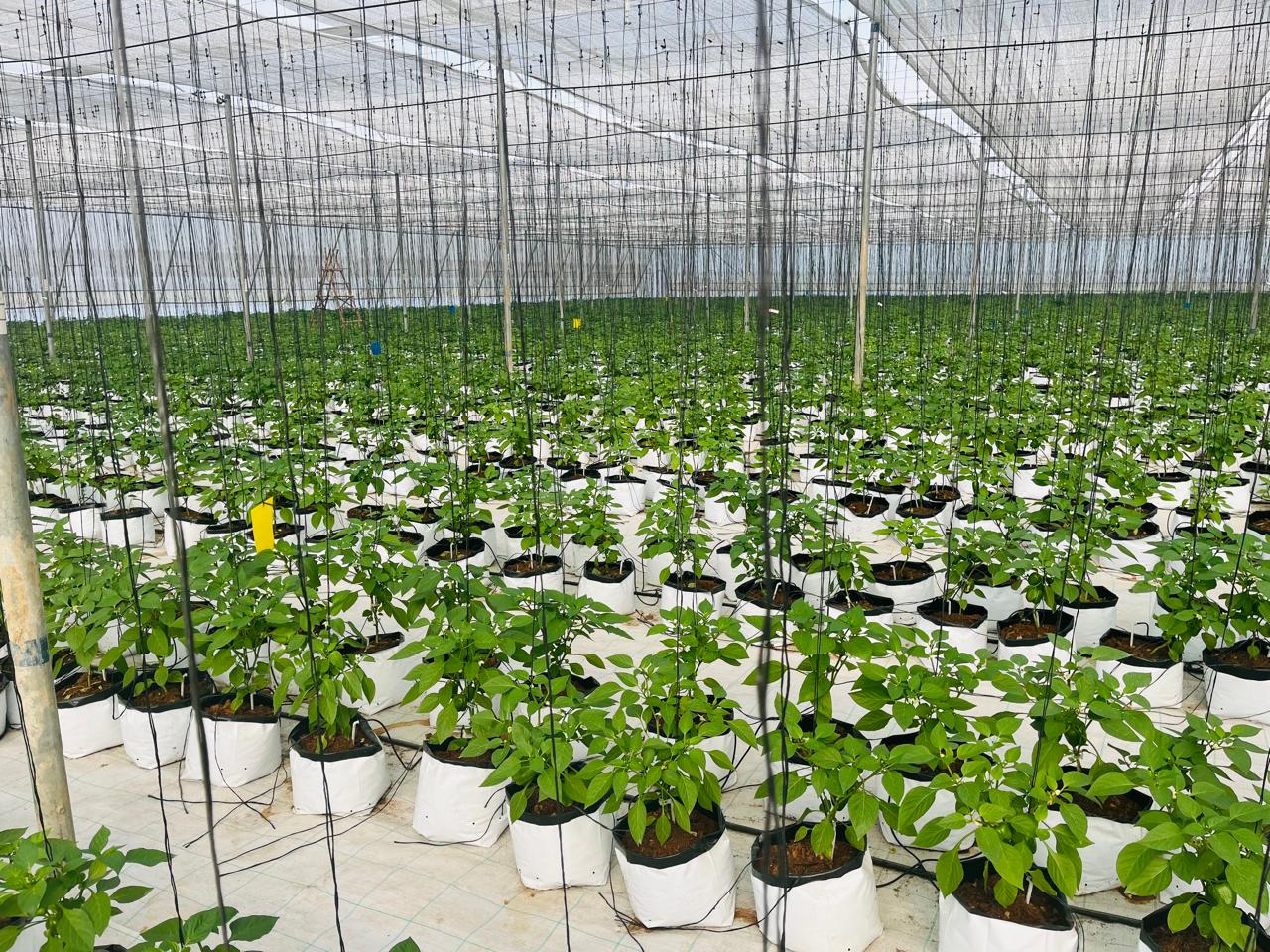
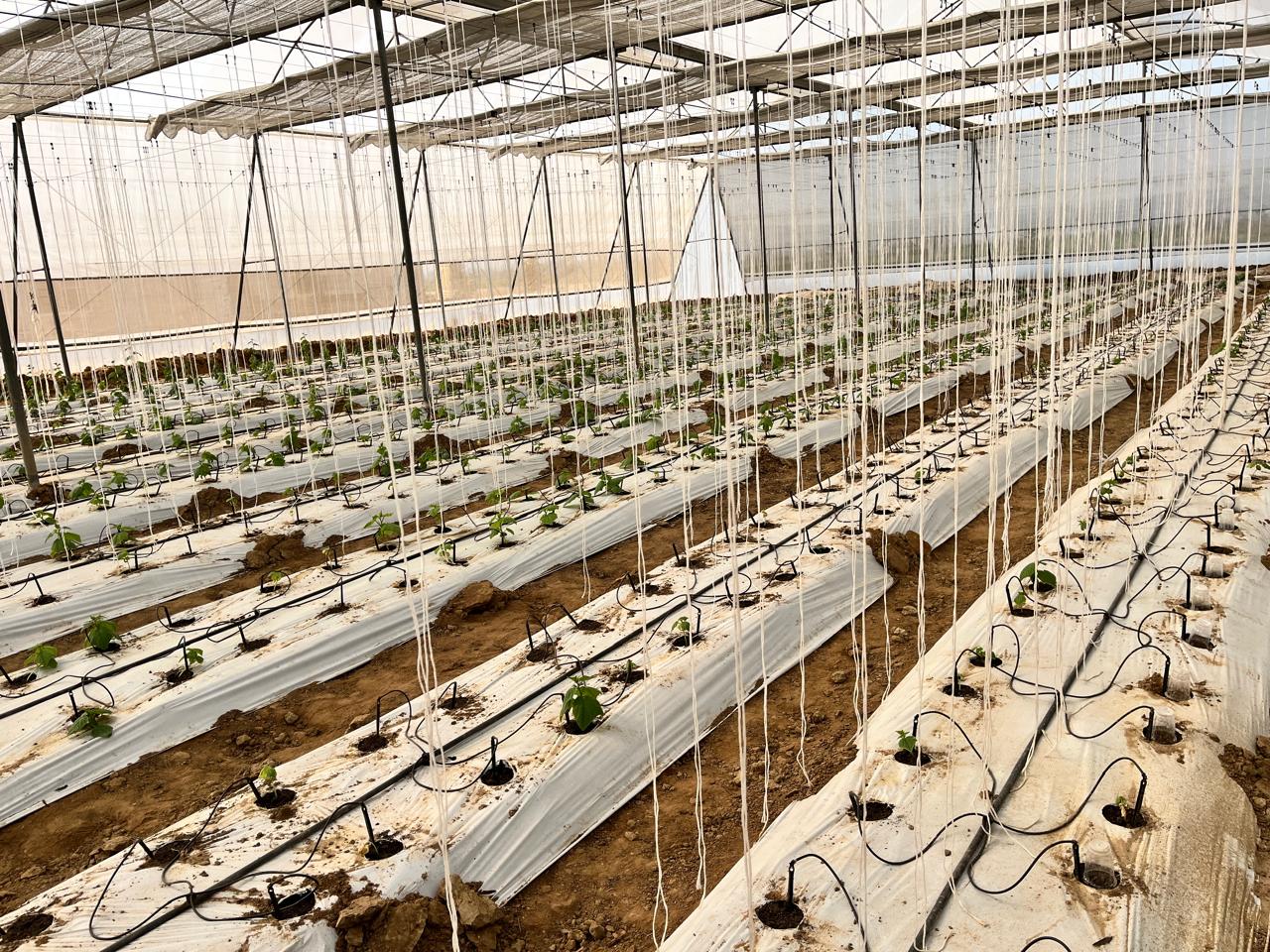
Drip irrigation delivers water directly to plant roots via tubes and emitters, minimizing evaporation and runoff for optimal efficiency.
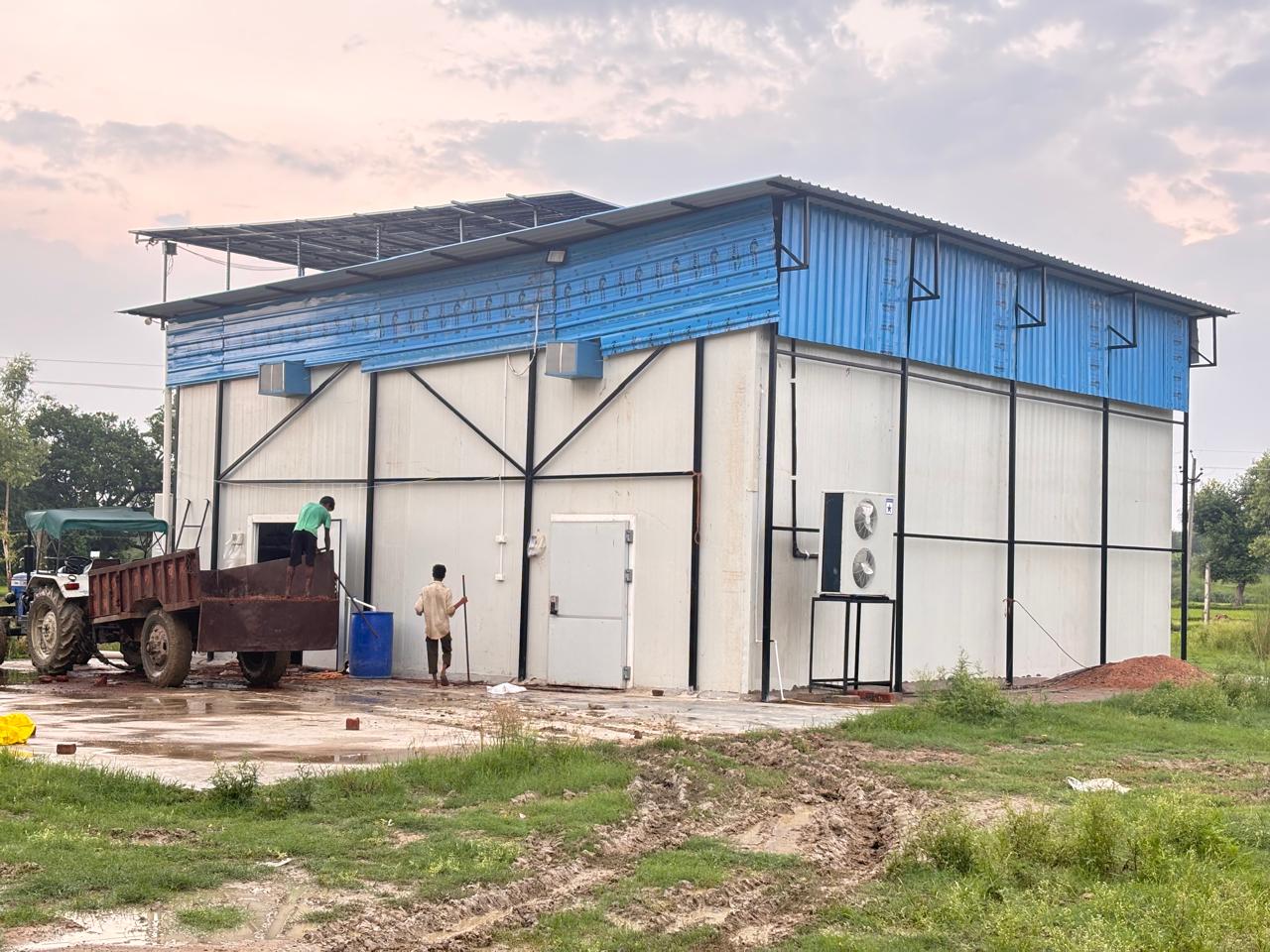
Hi-tech fan-pad systems integrate evaporative cooling pads with exhaust fans in polyhouses to lower temperatures by 10-12°C below ambient levels through humidified airflow.
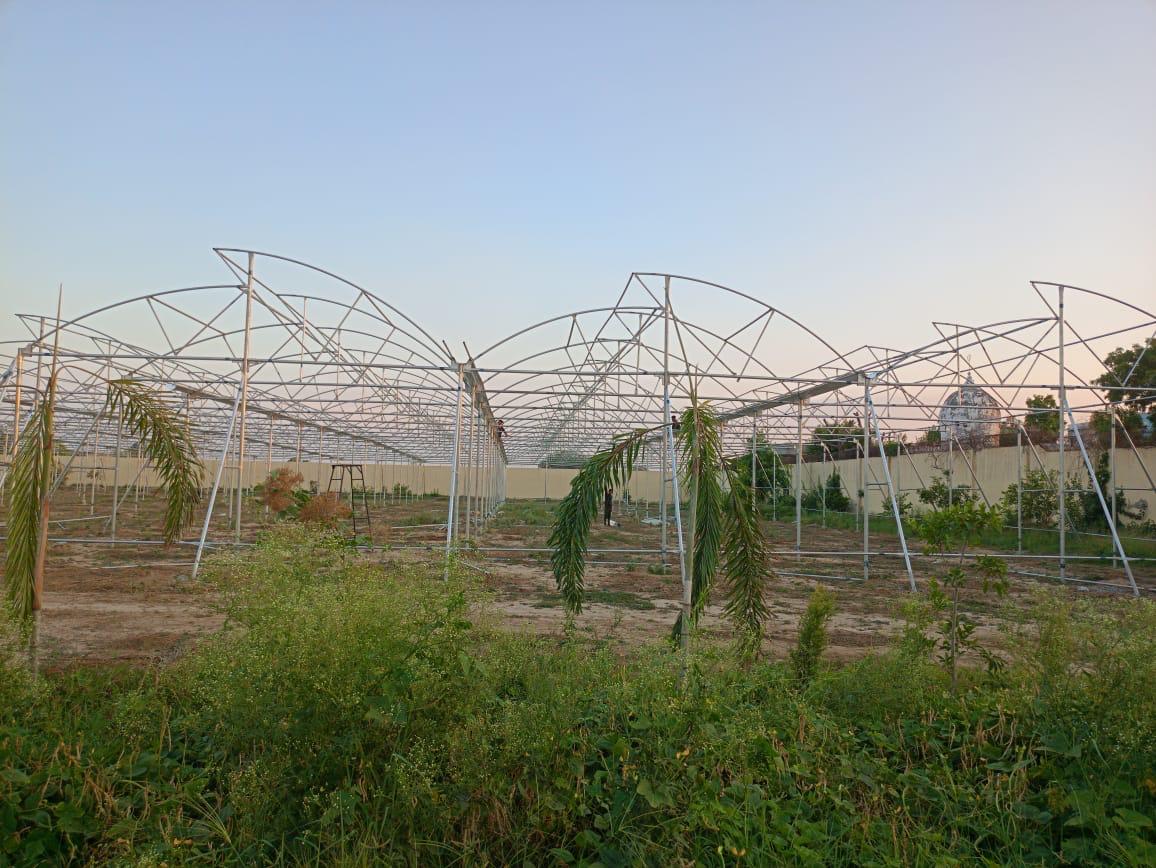
Turnkey projects deliver complete, ready-to-operate agricultural setups from design through installation and commissioning, minimizing client involvement
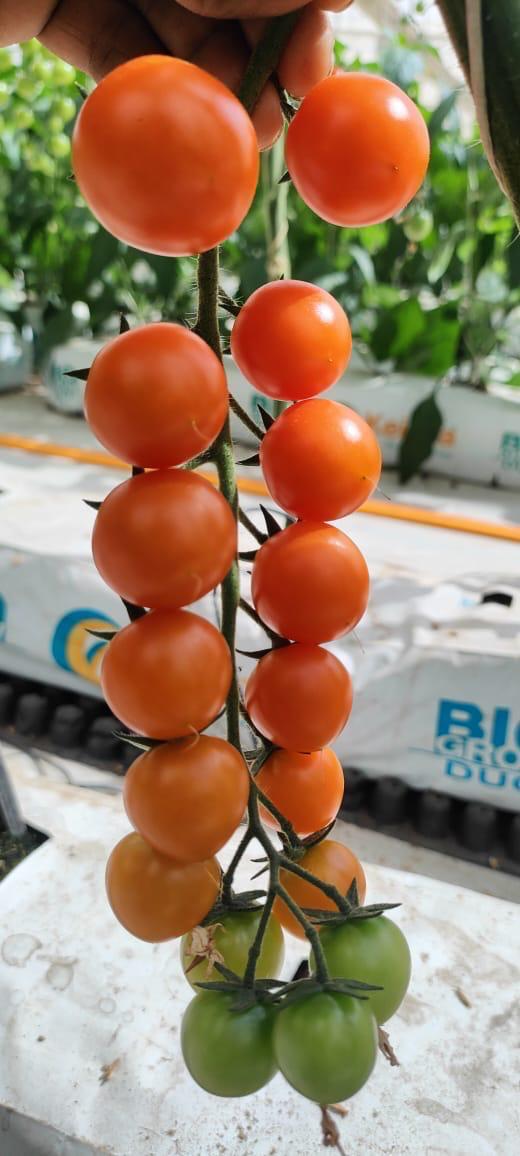
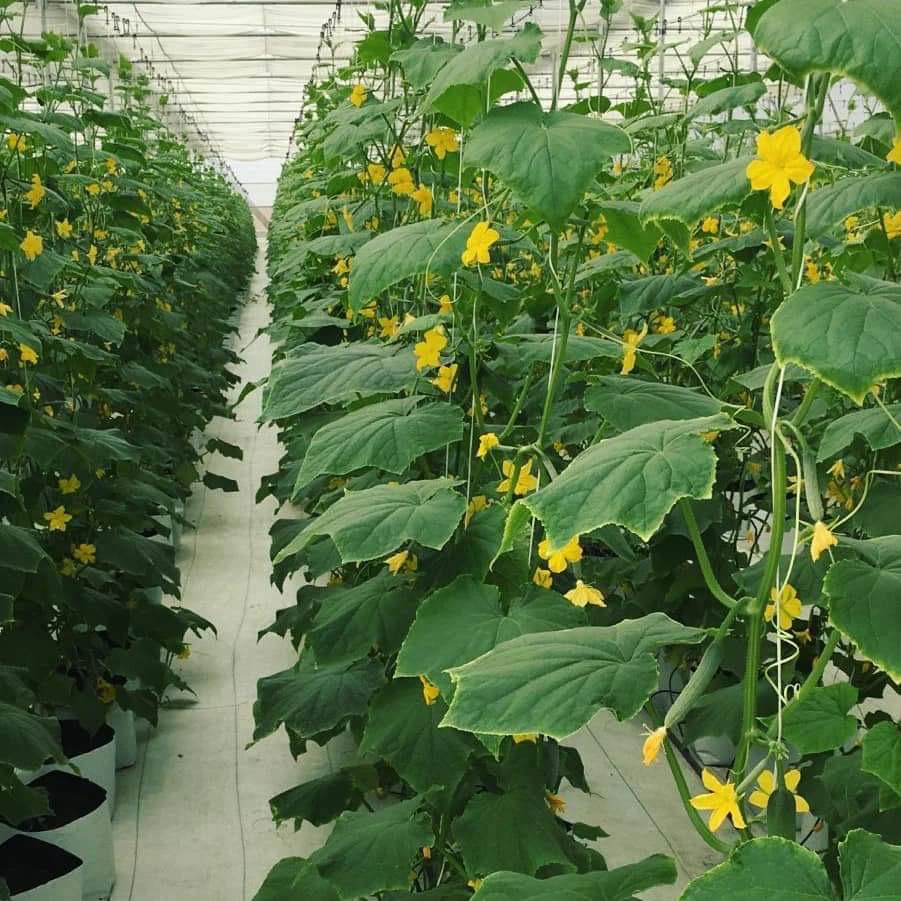
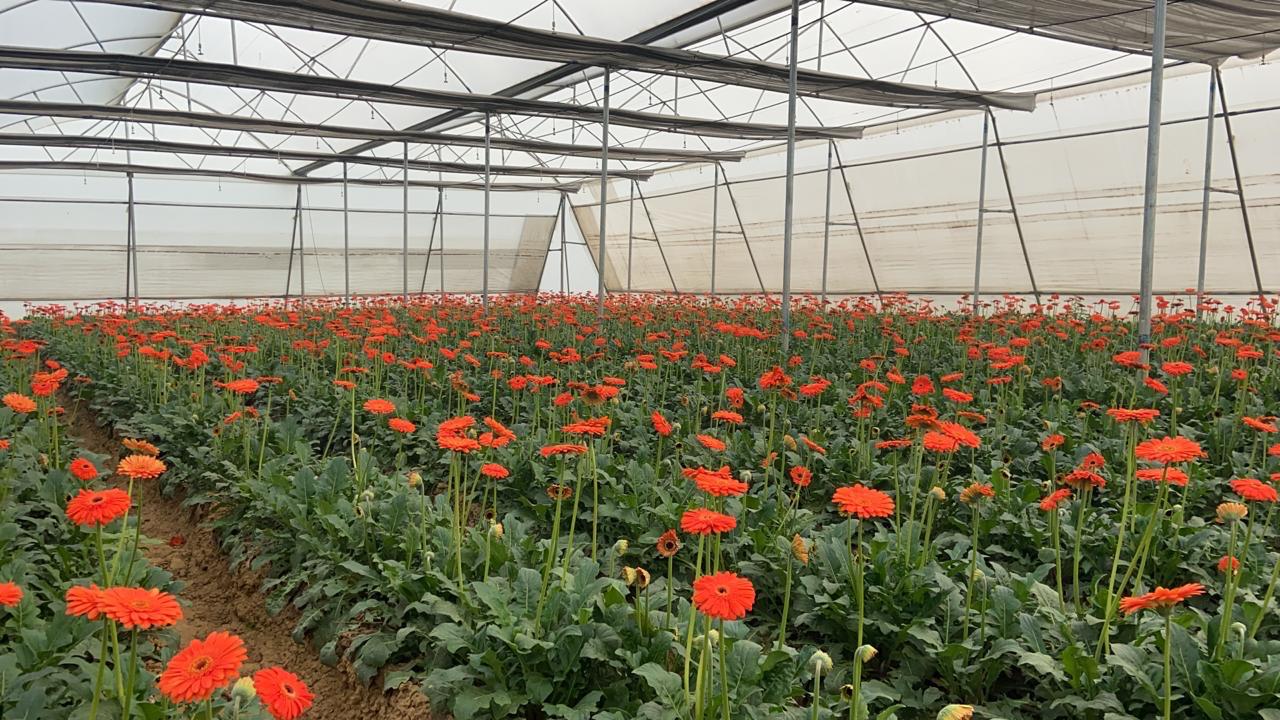
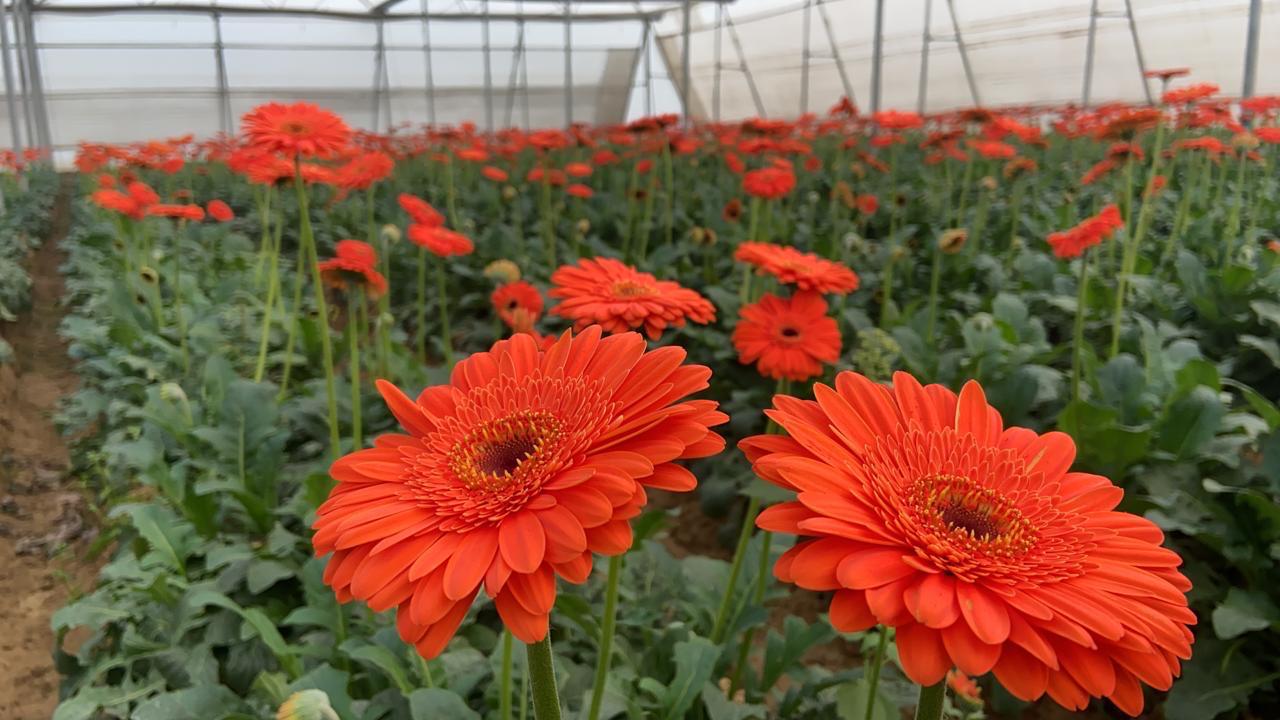
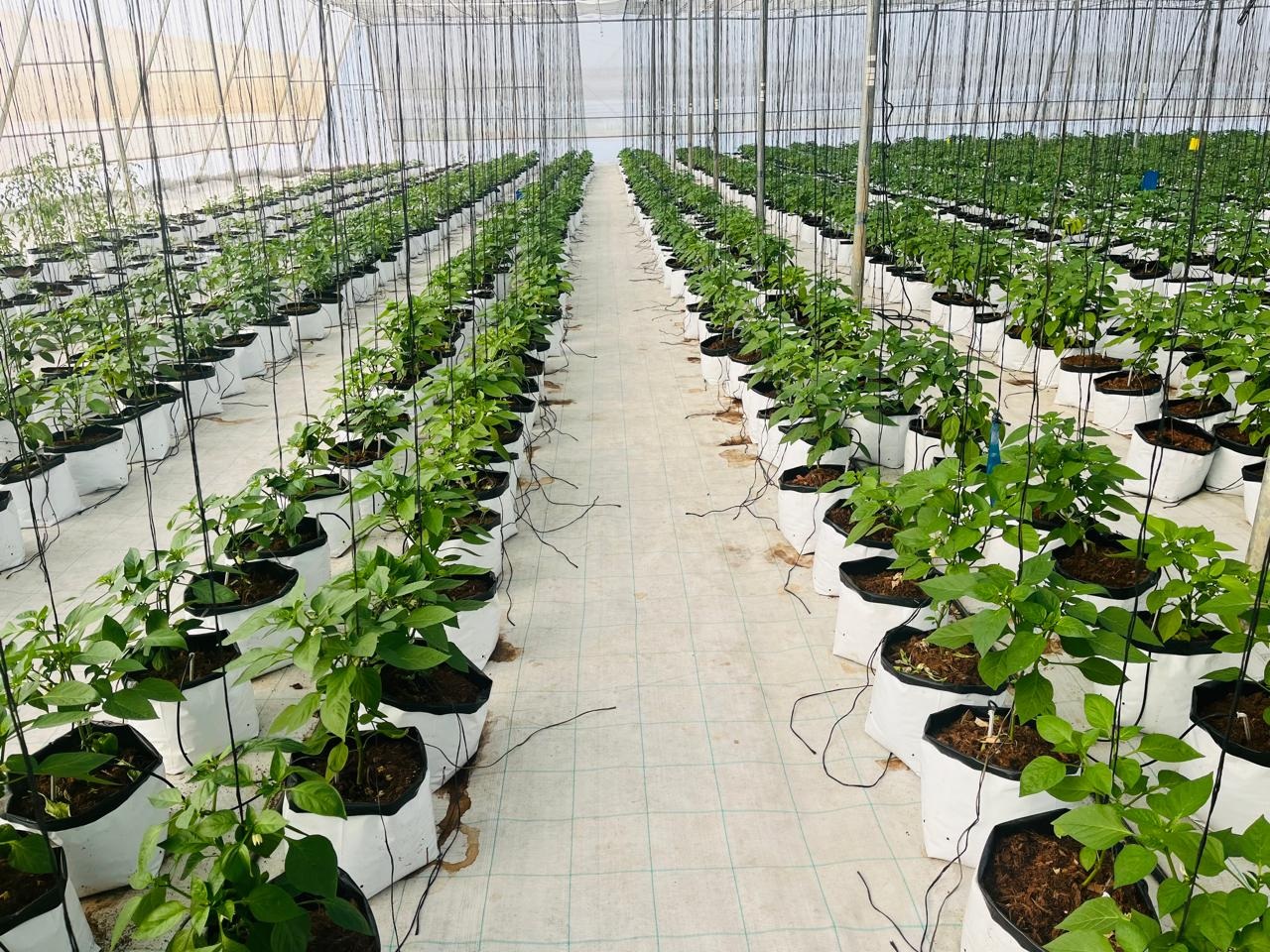
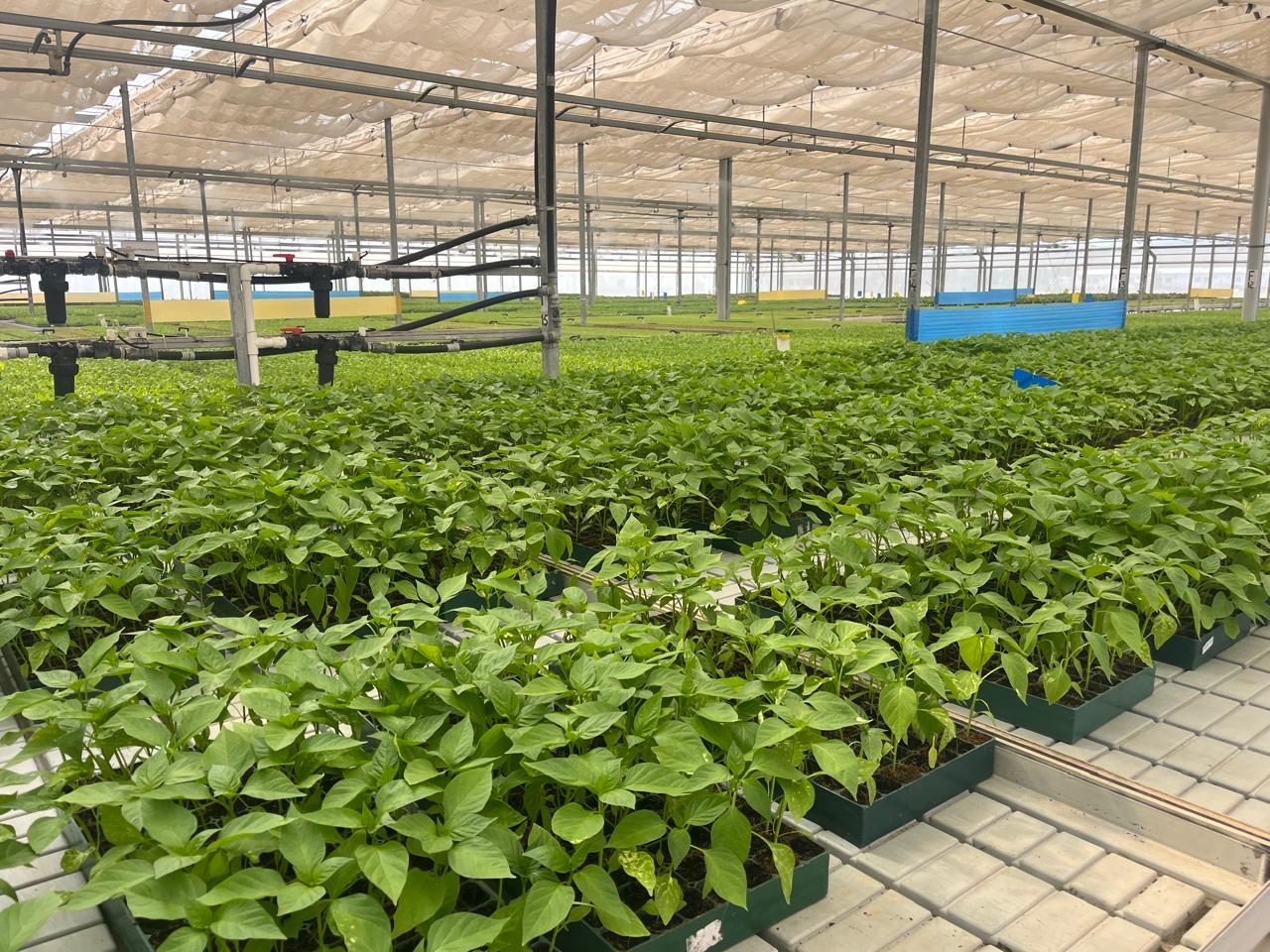
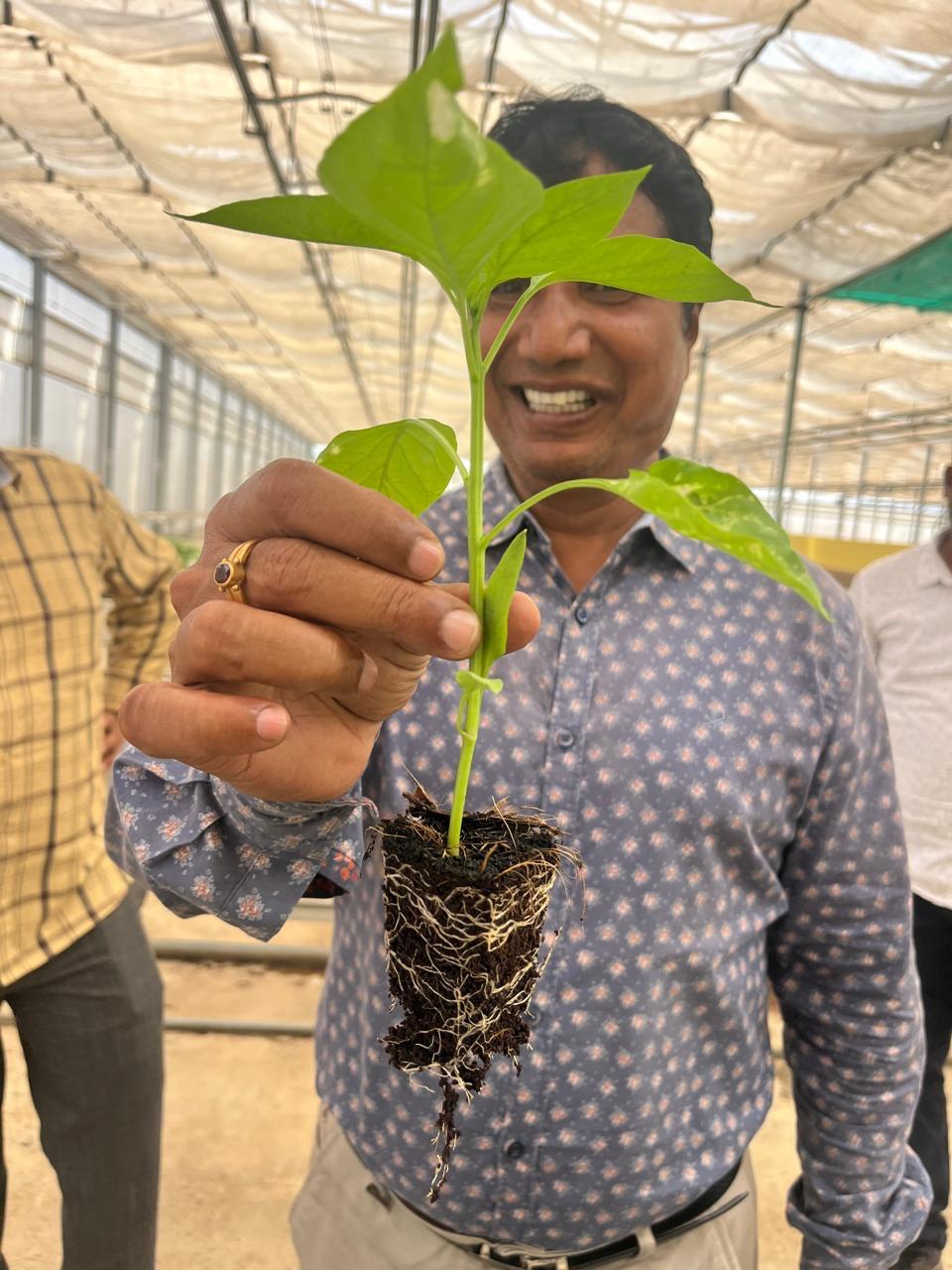
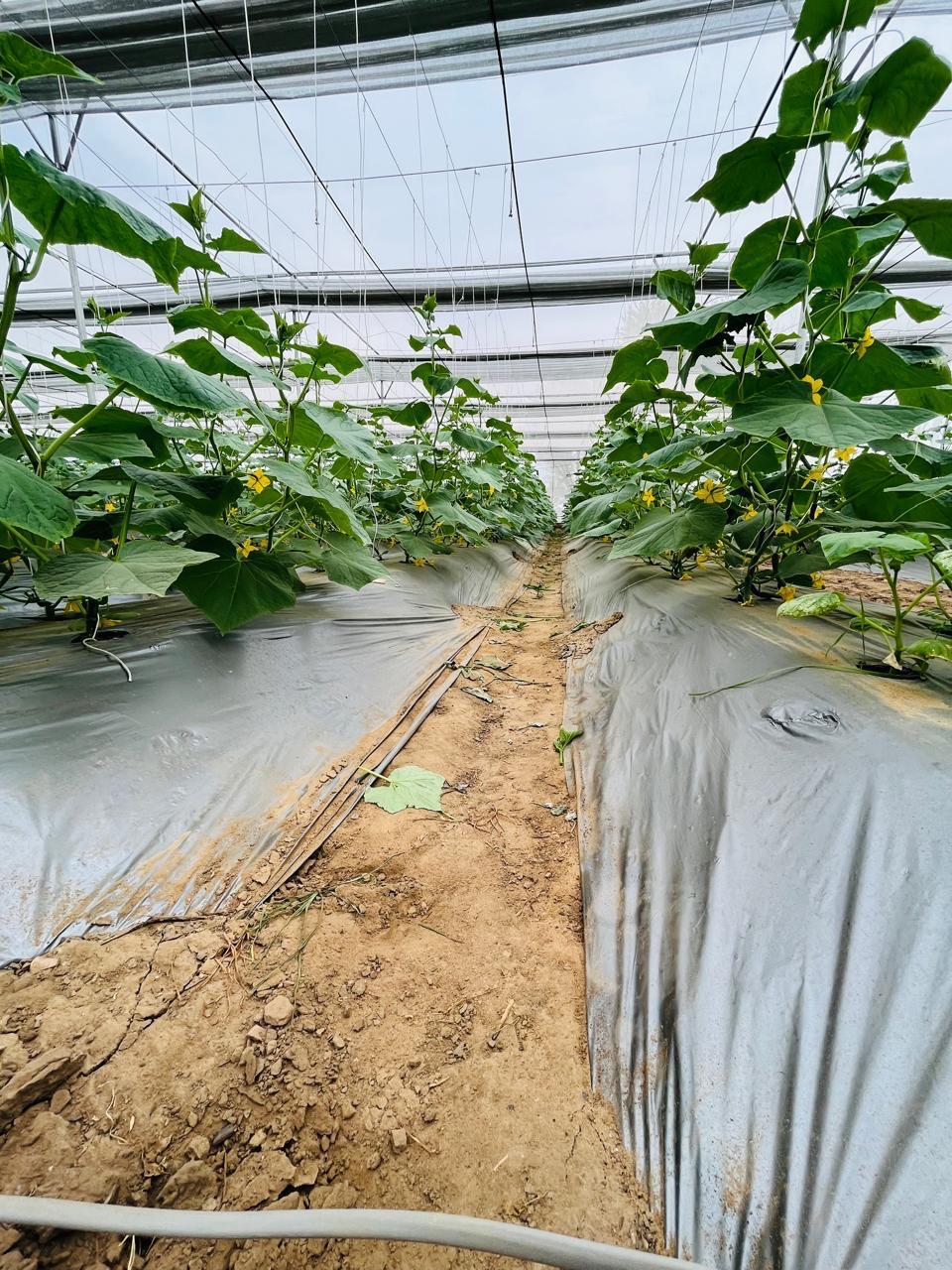
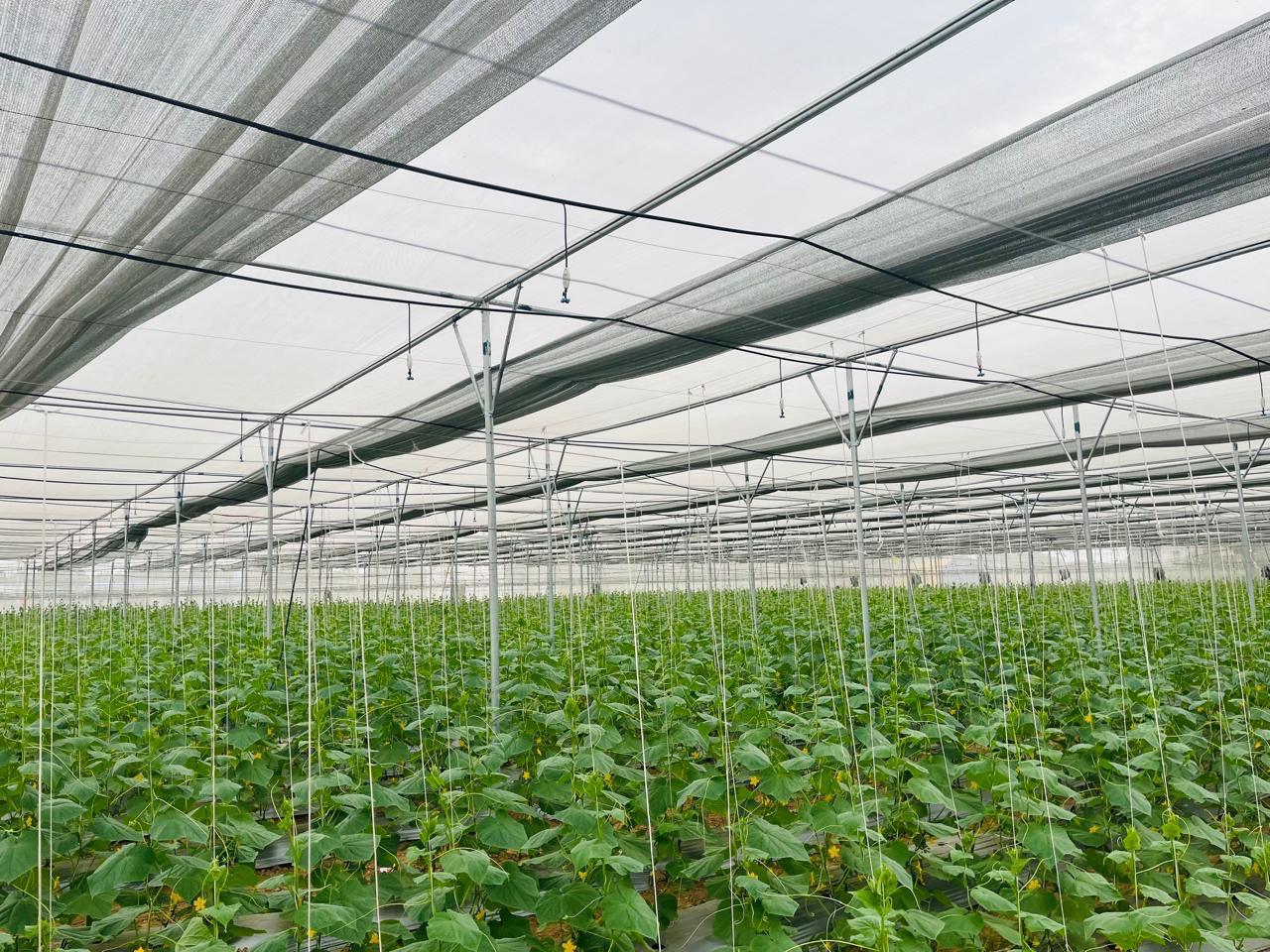
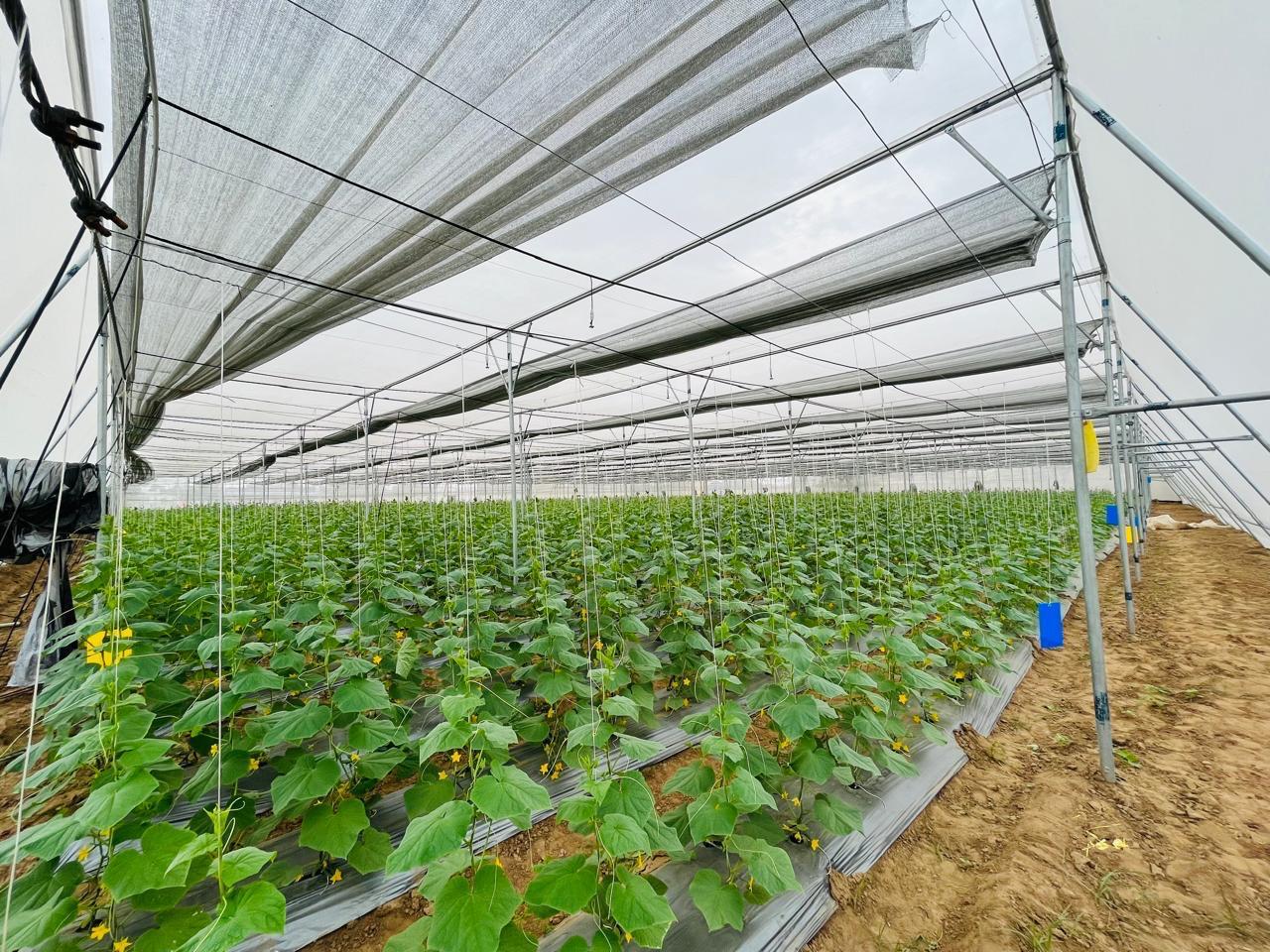
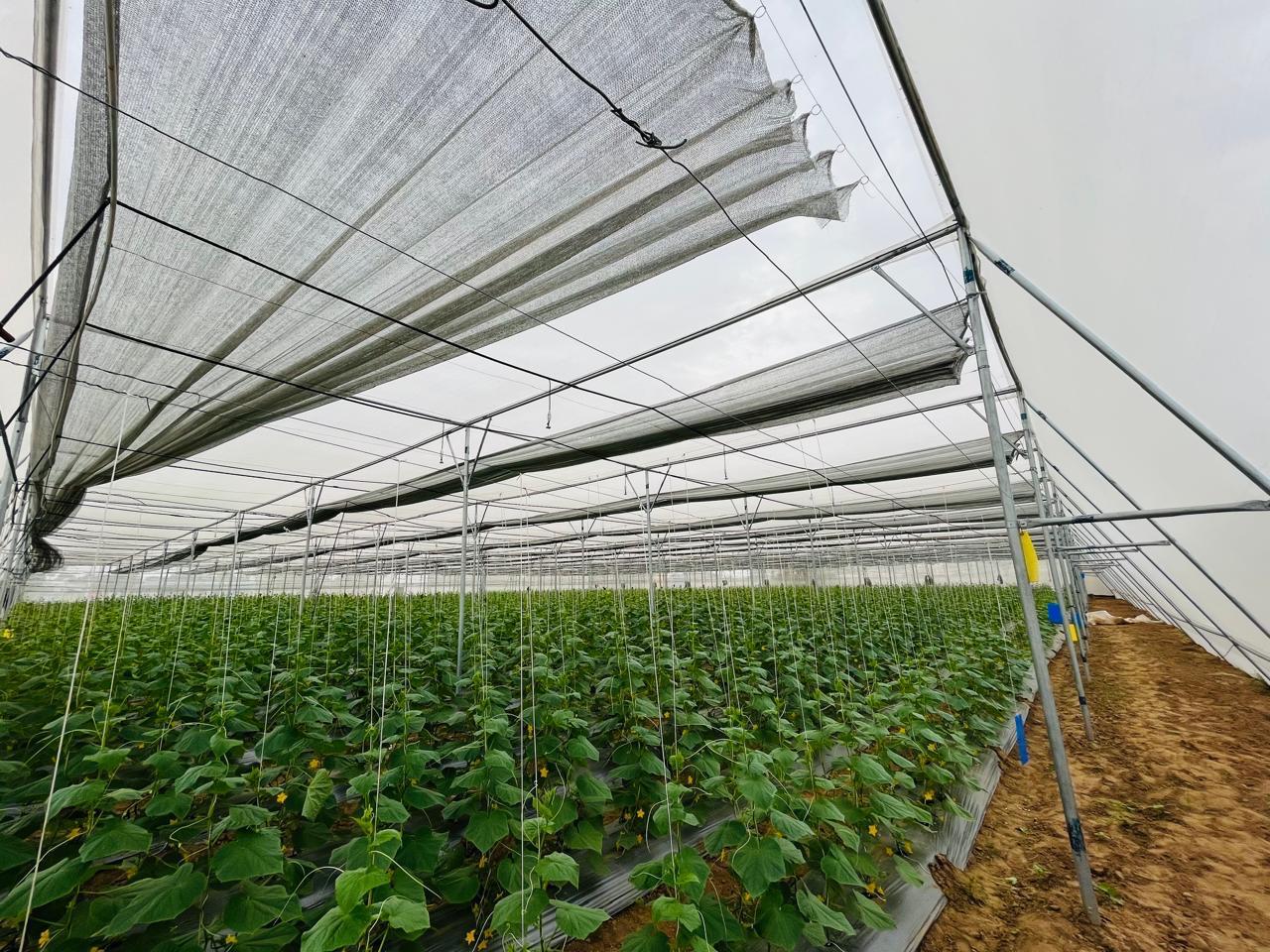
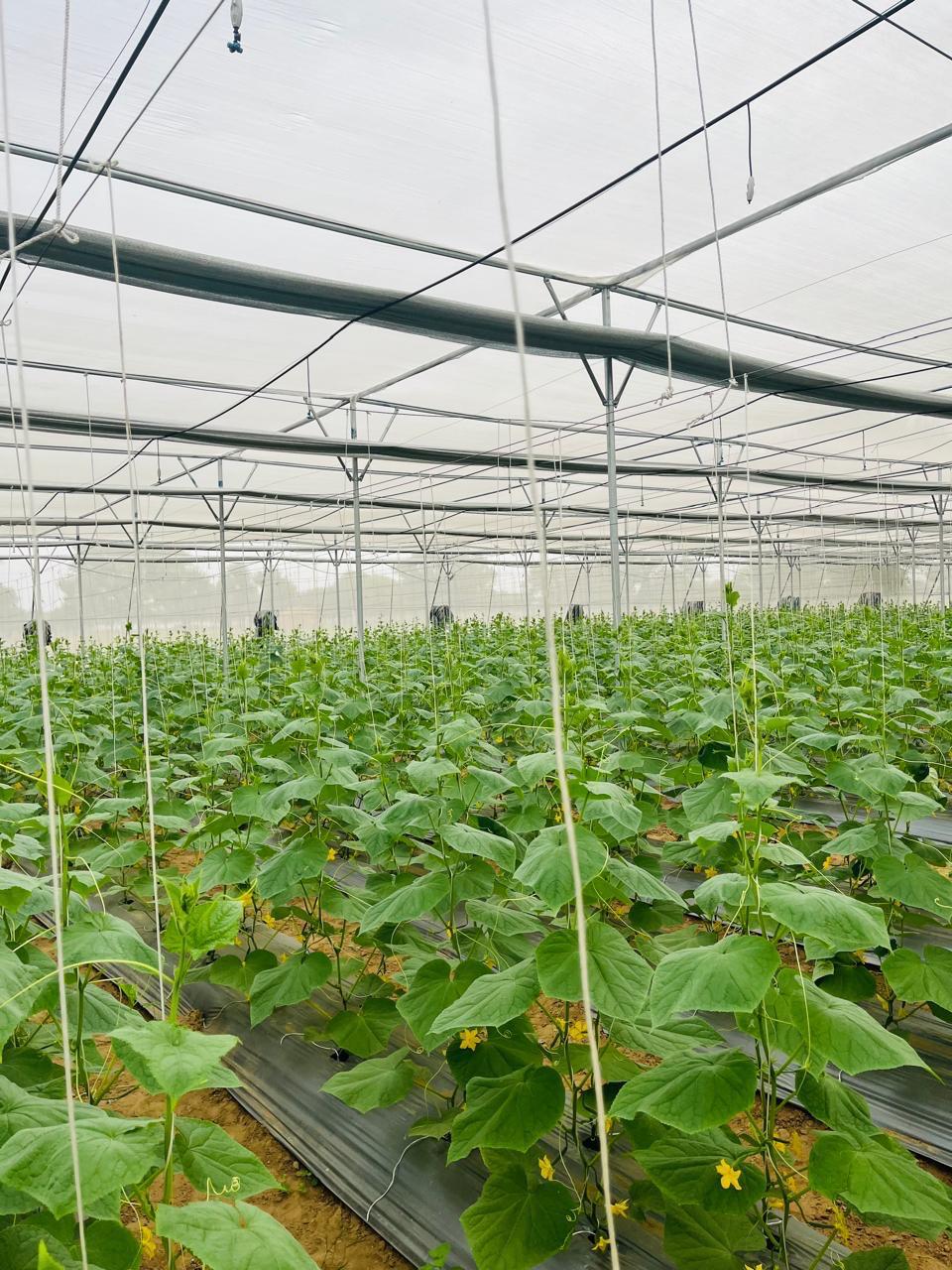
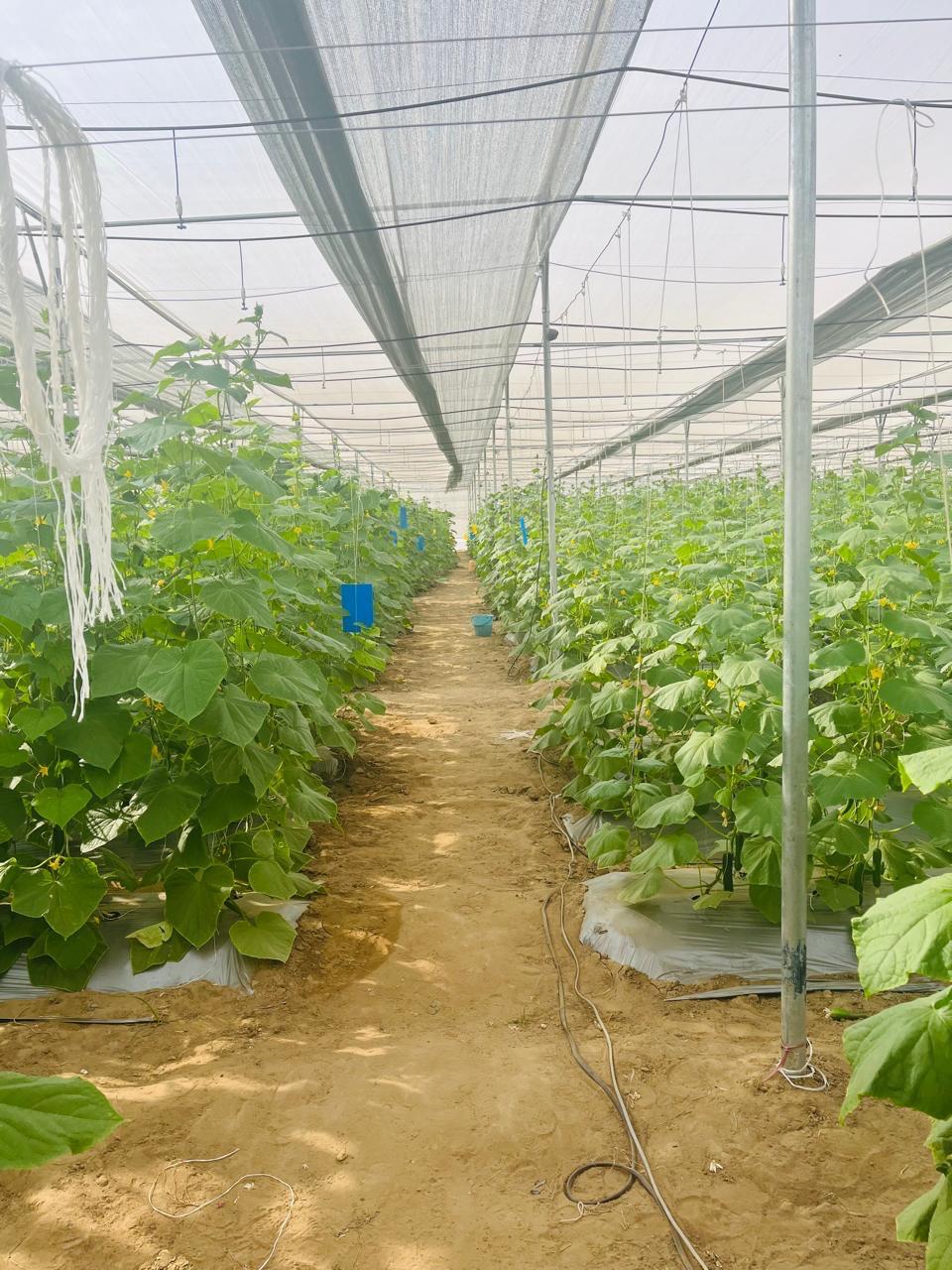
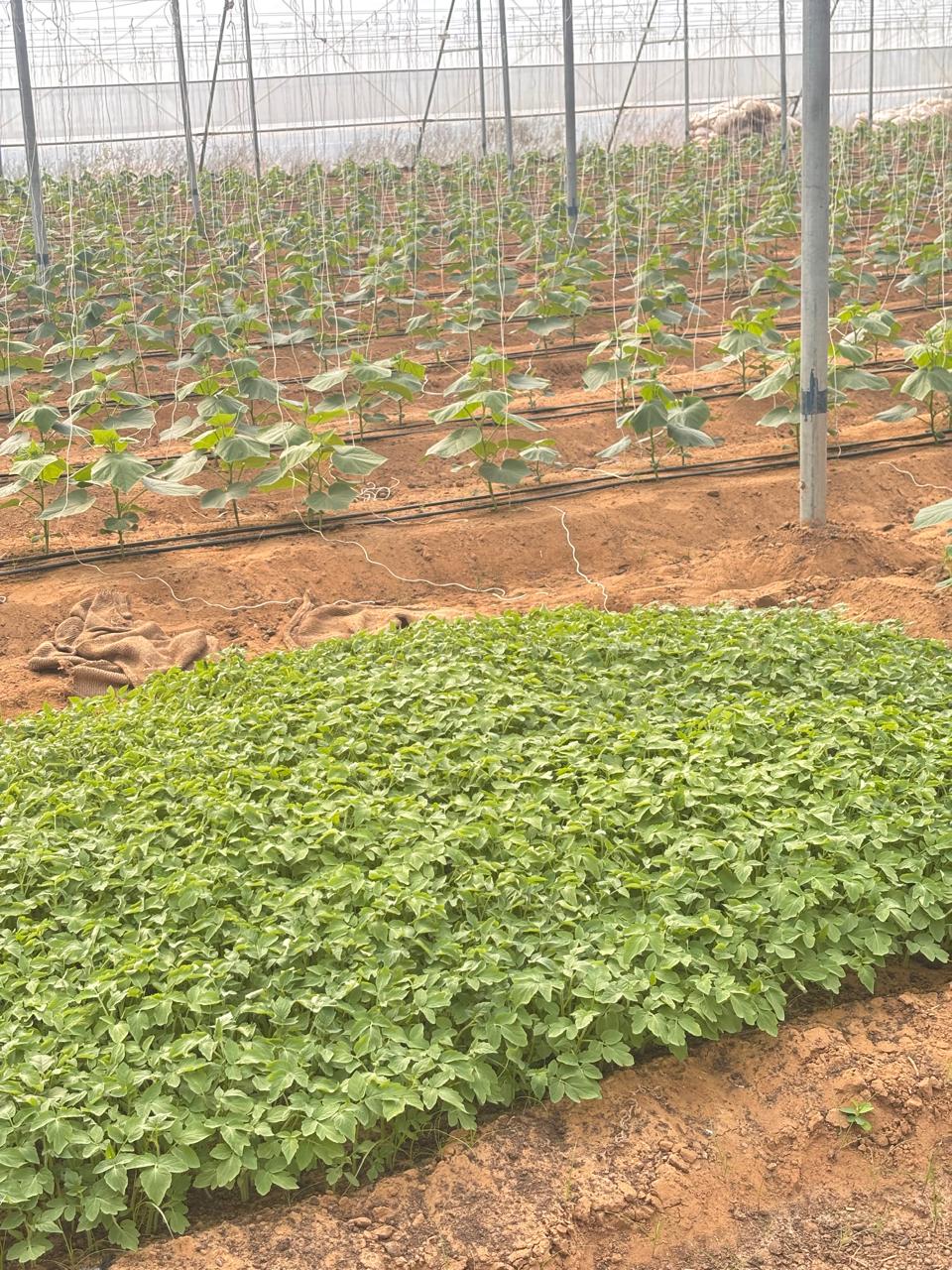
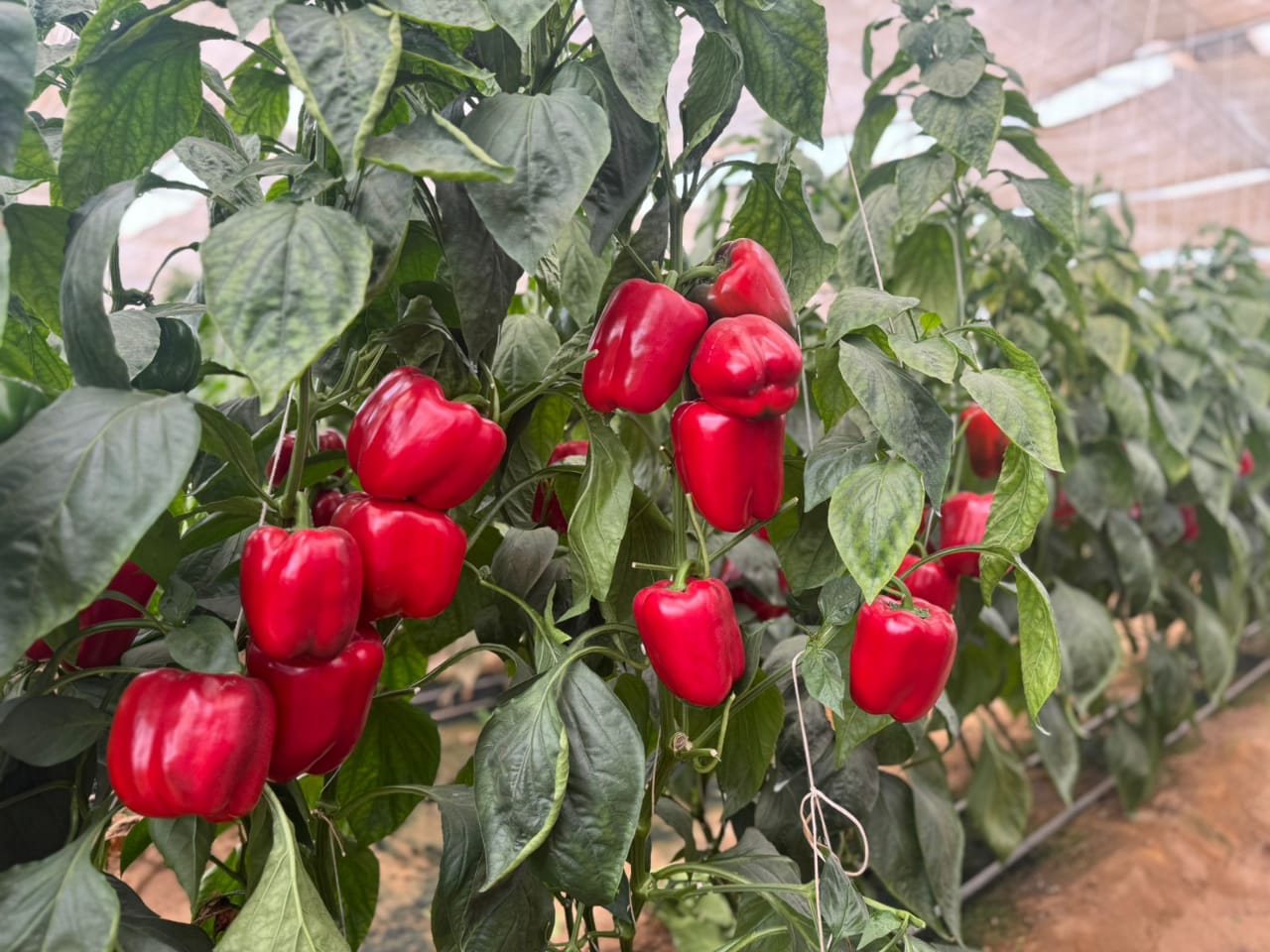
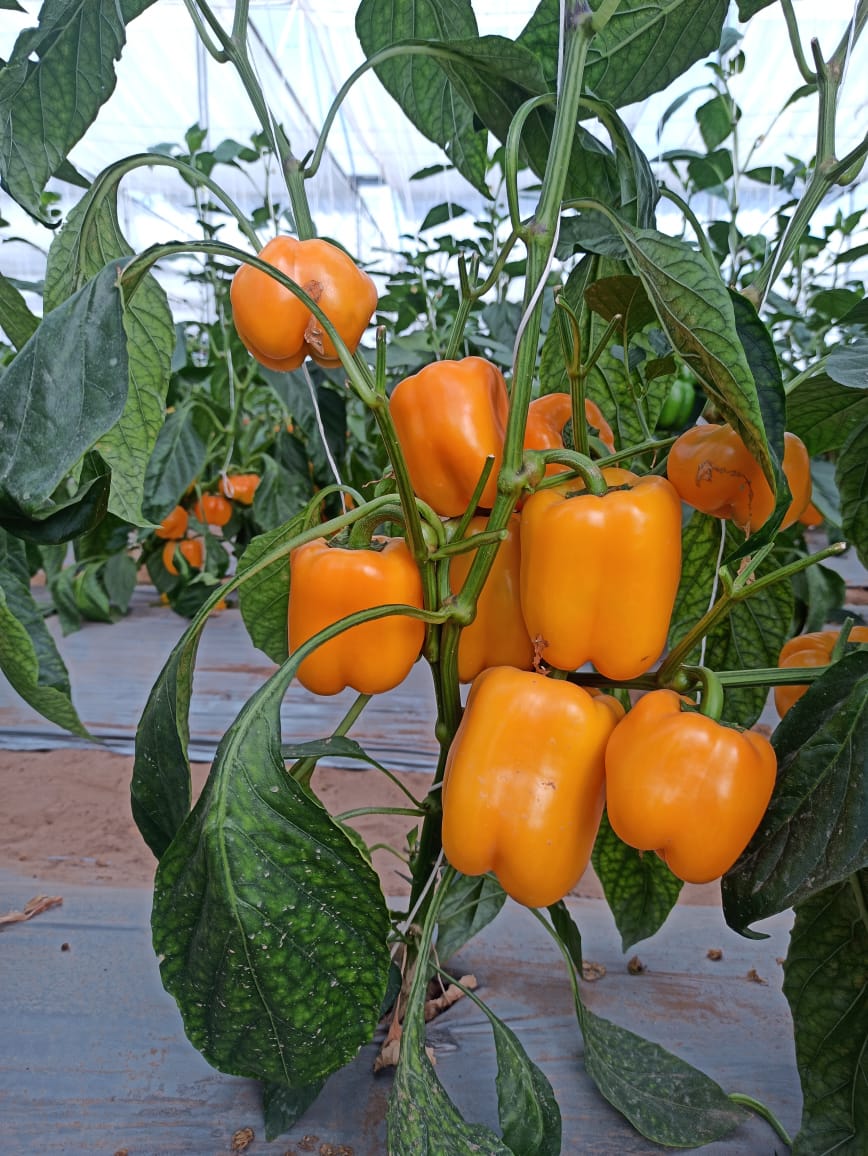
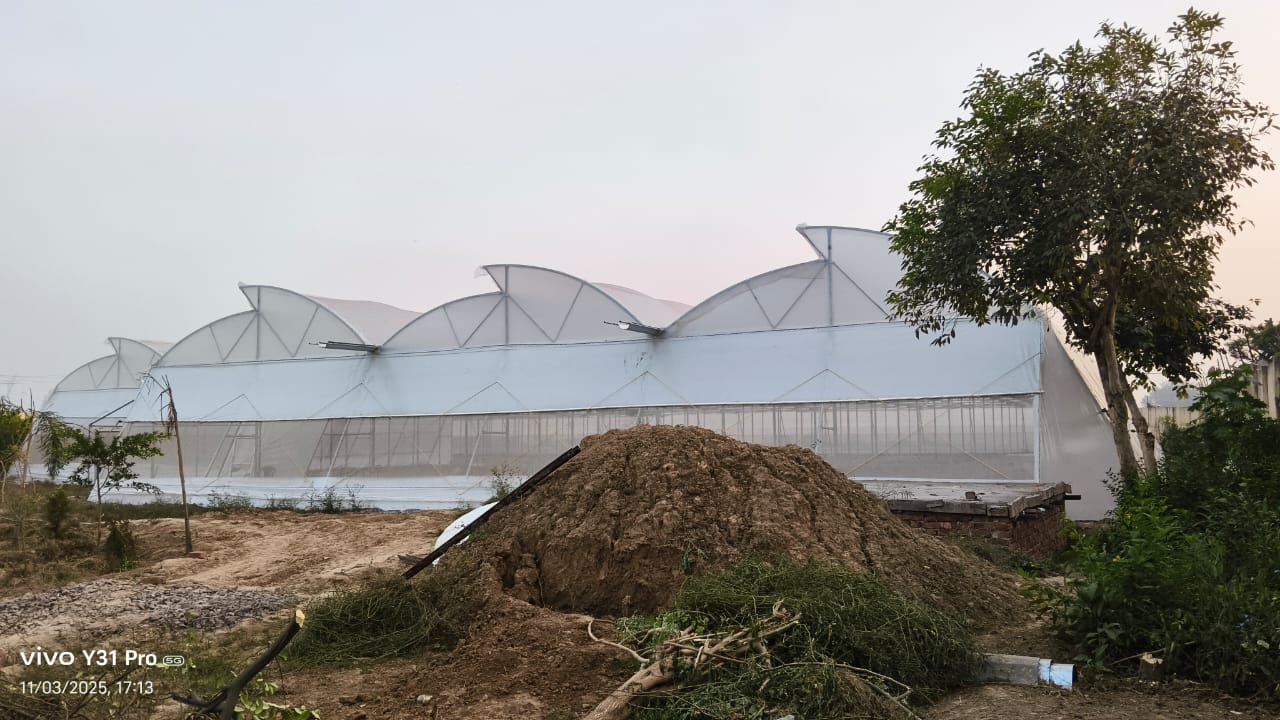
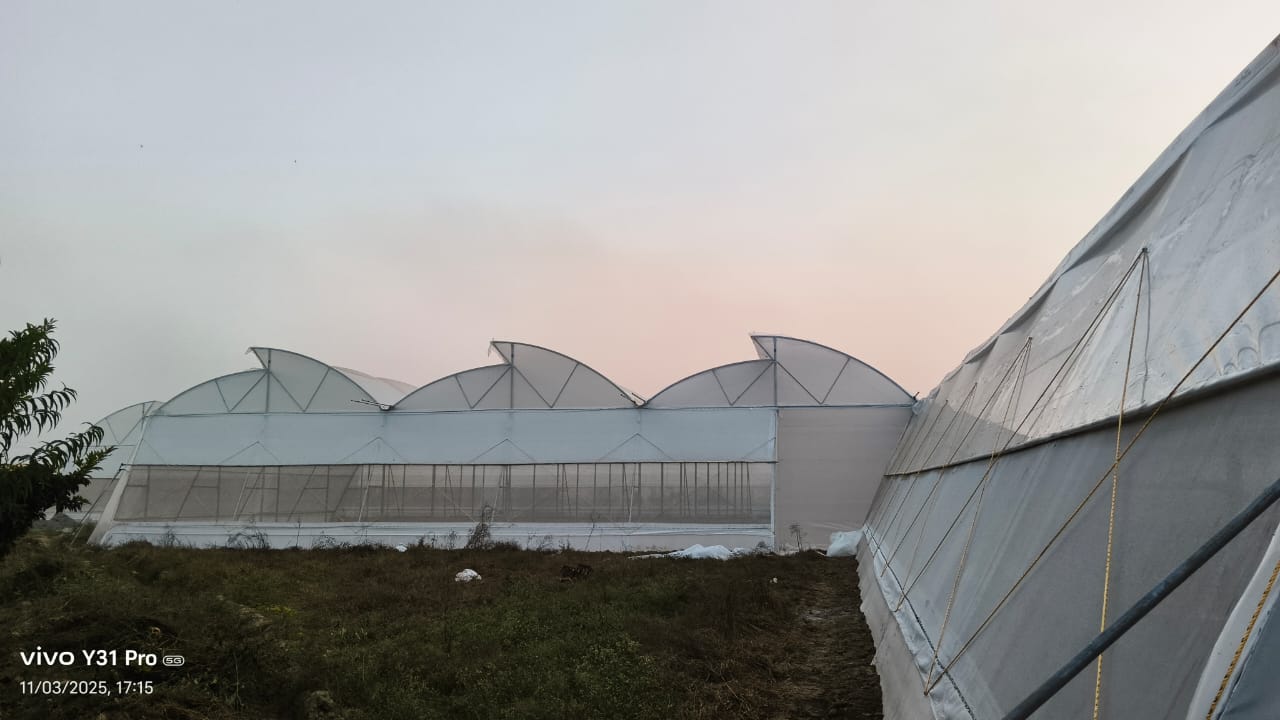
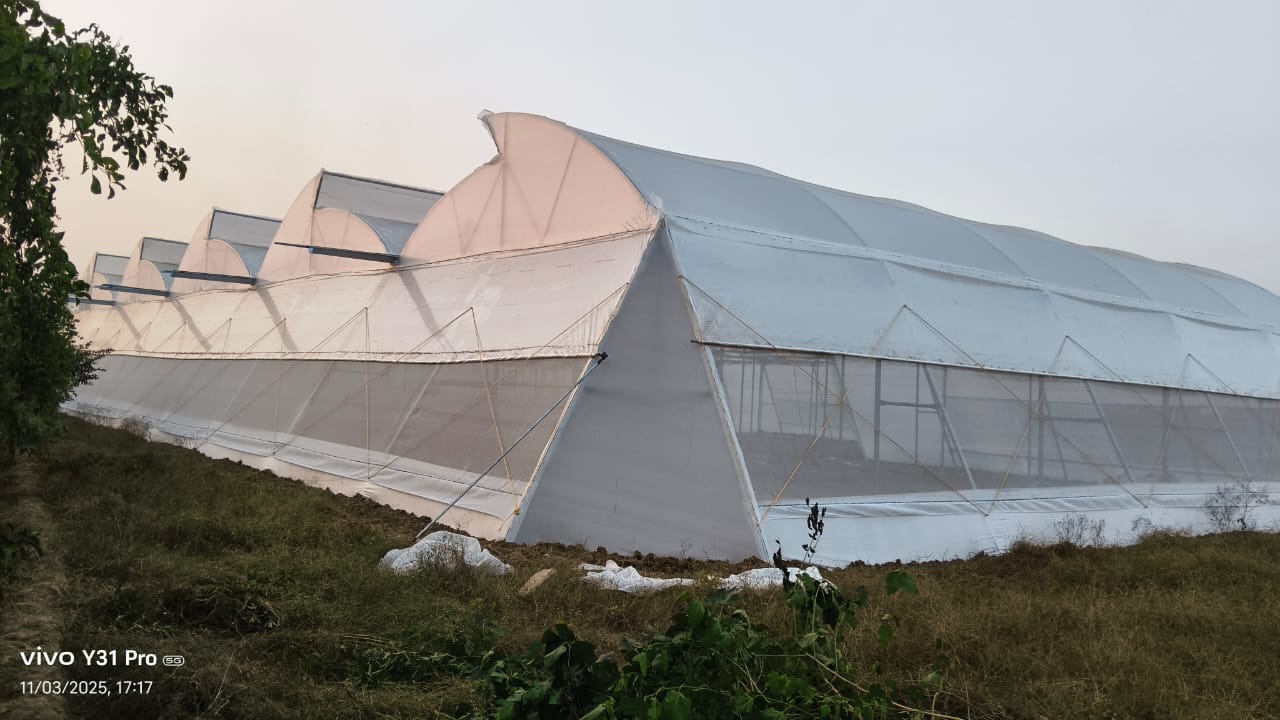
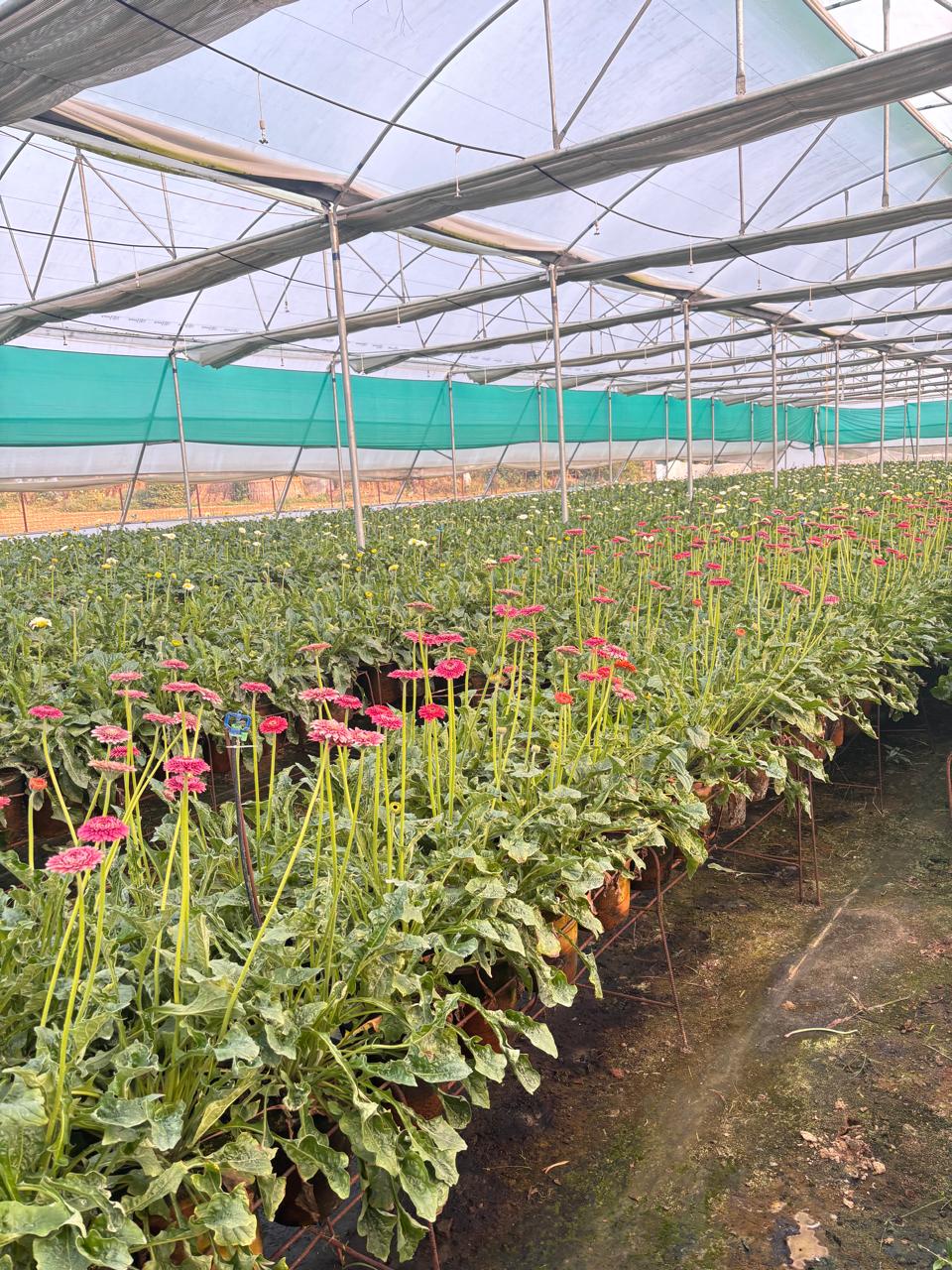
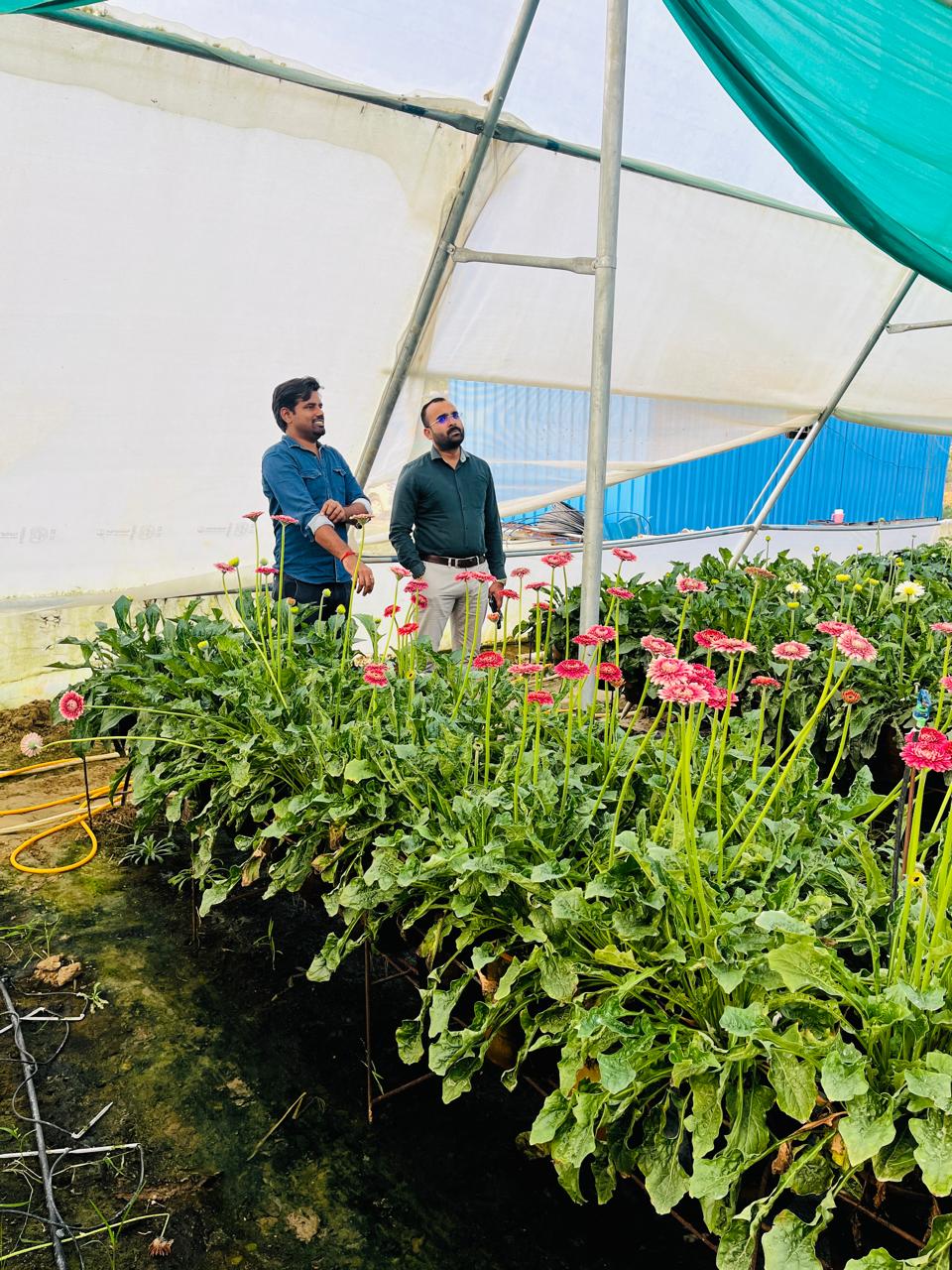
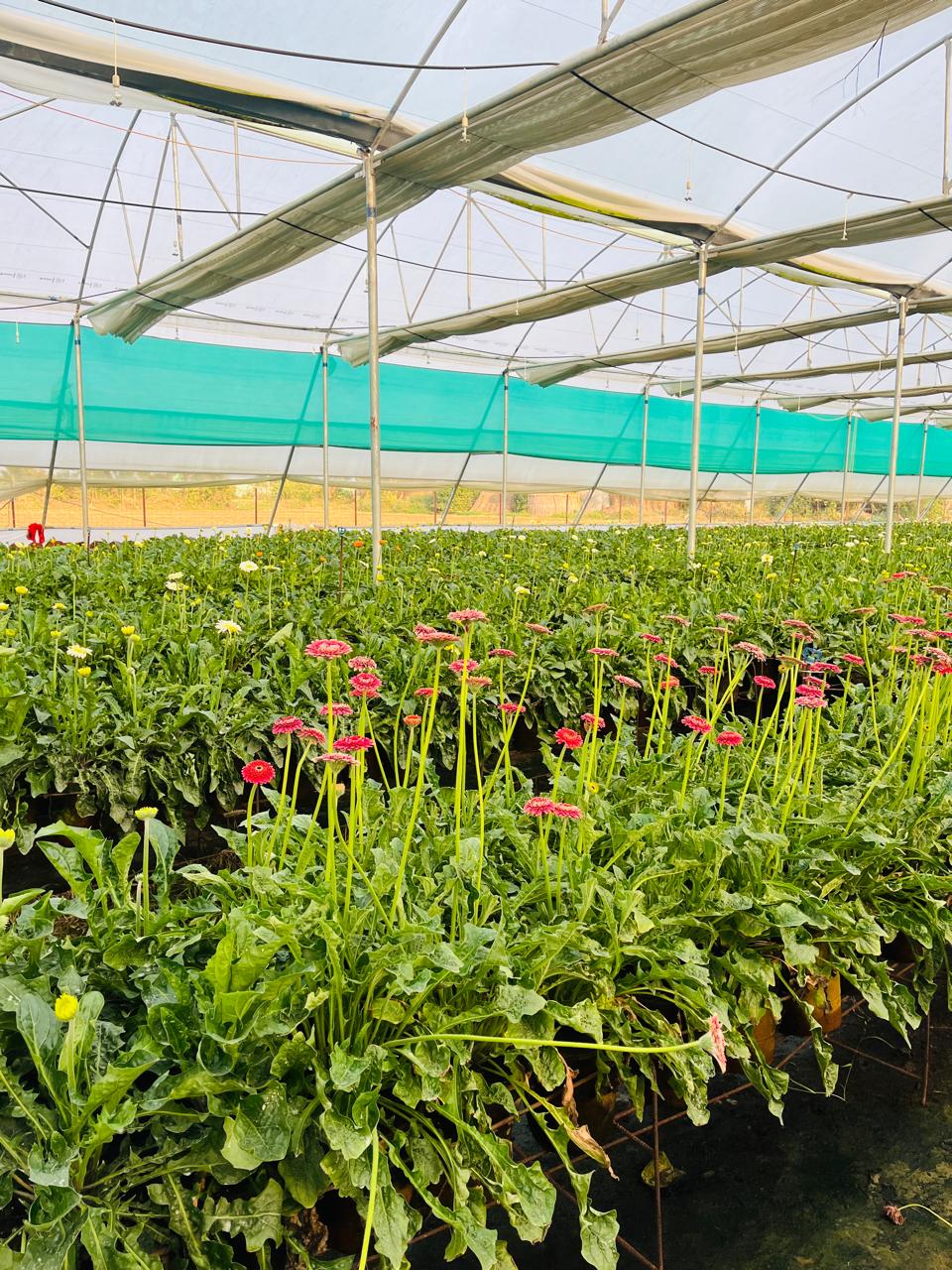
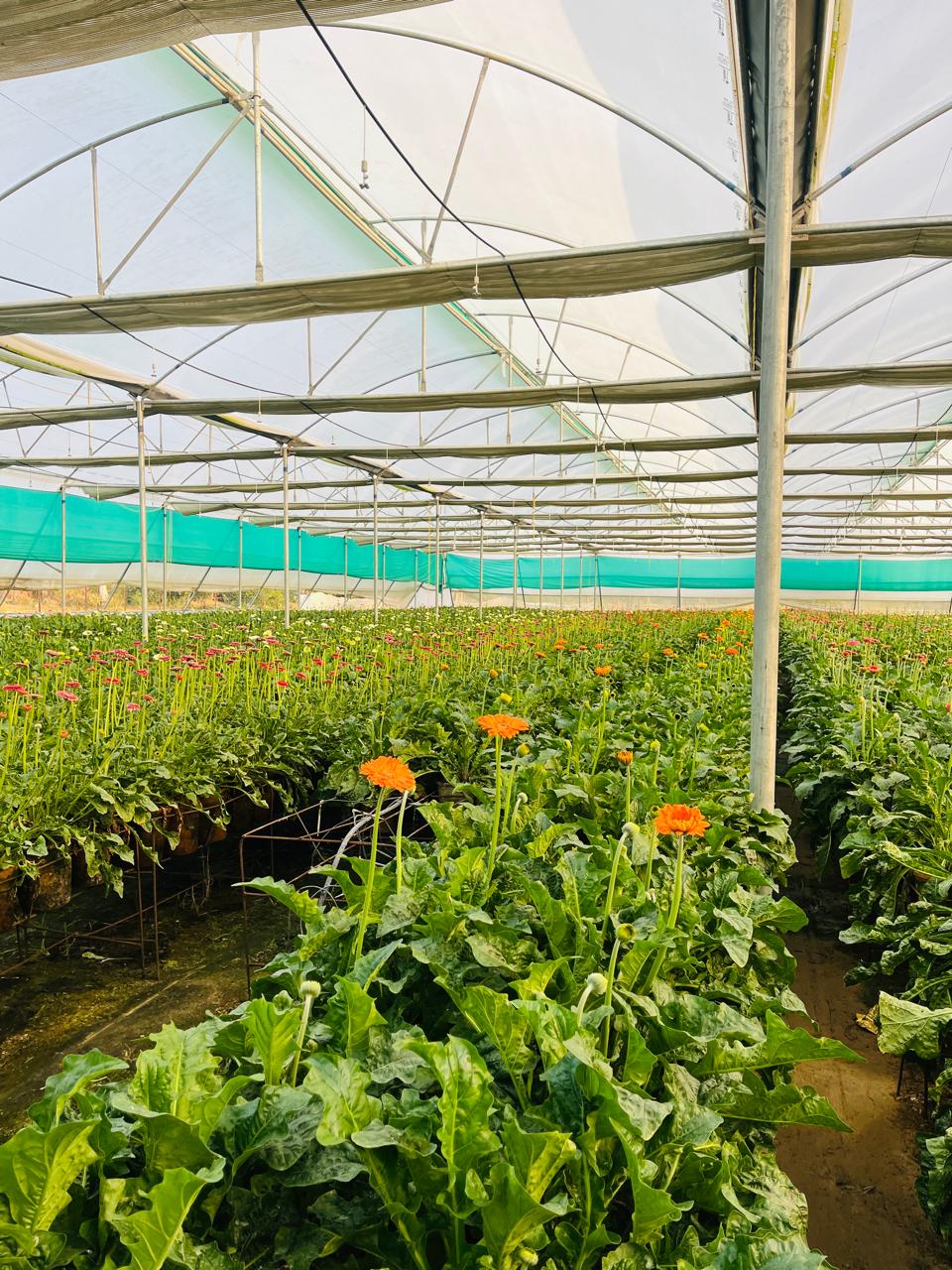
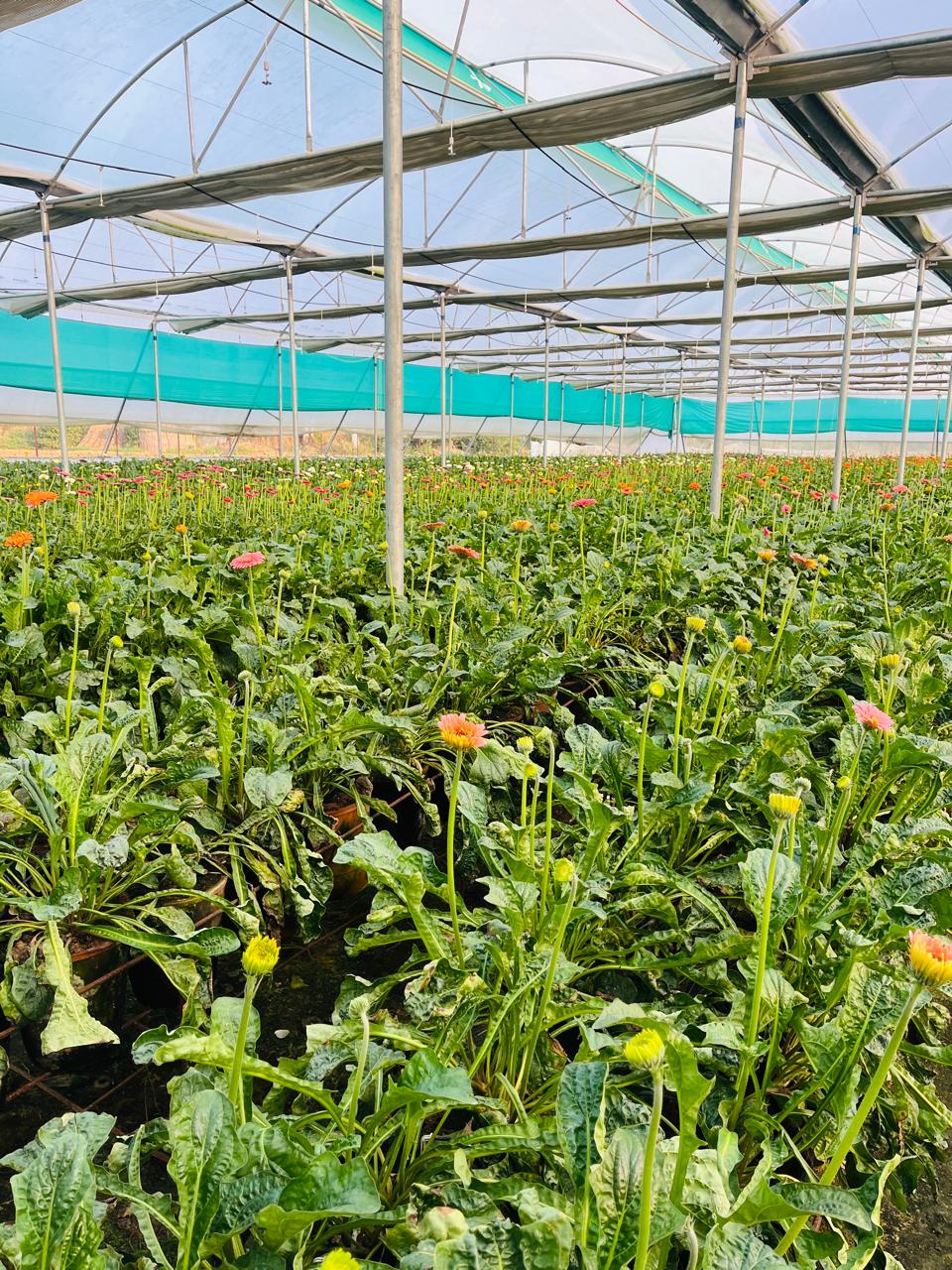
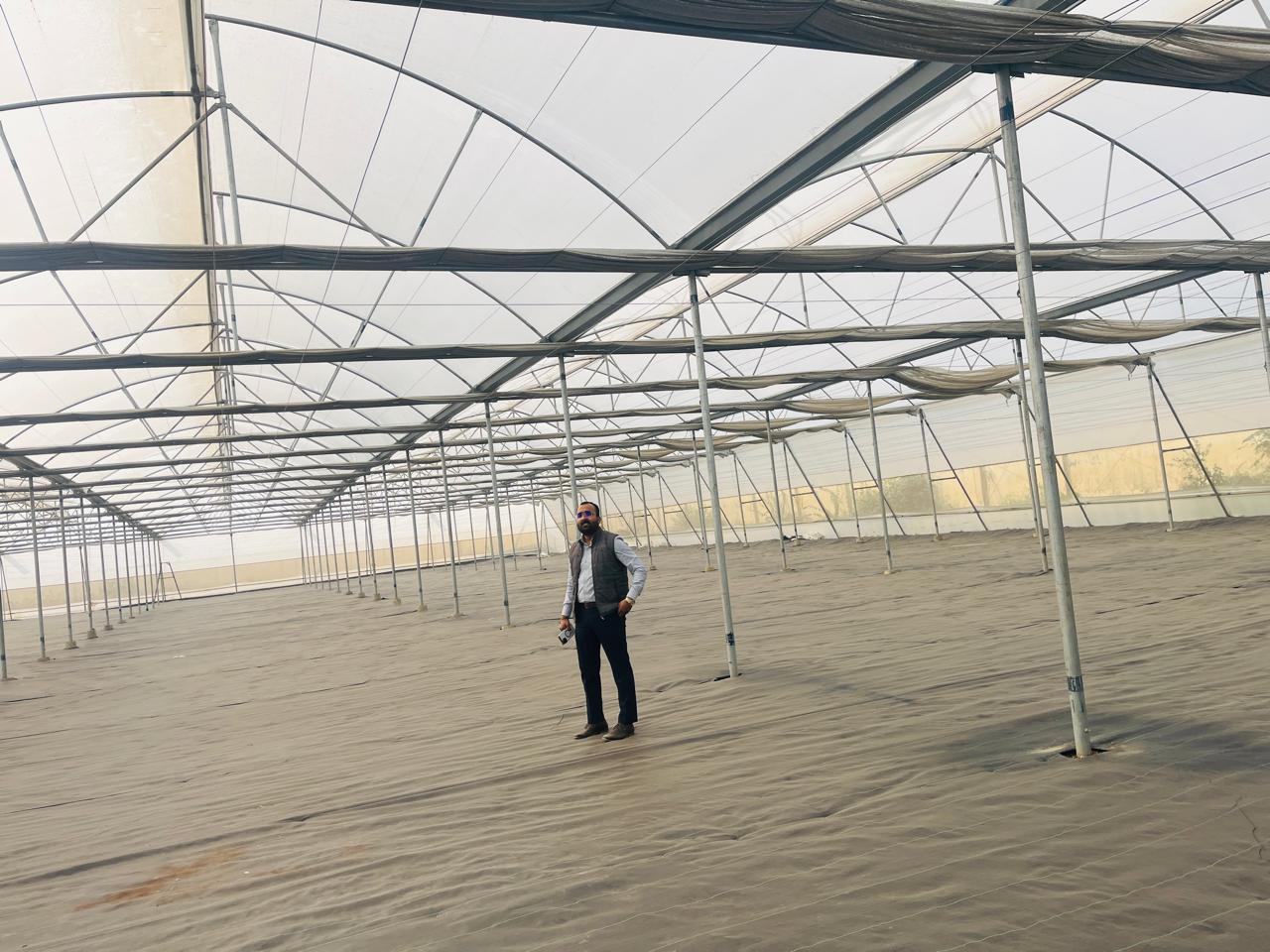
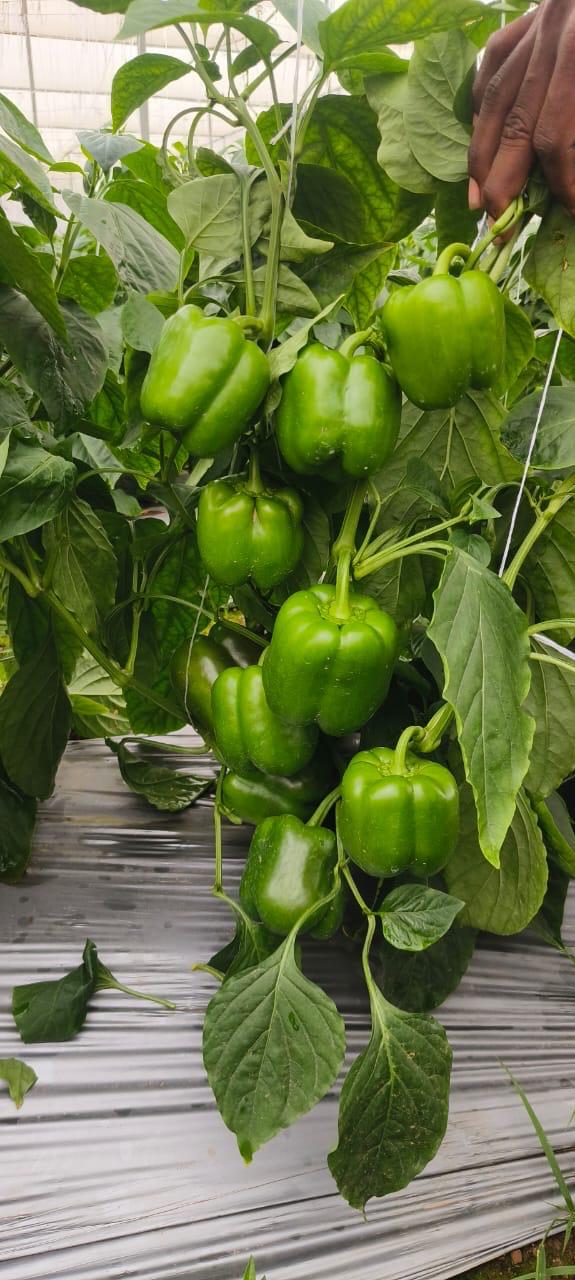
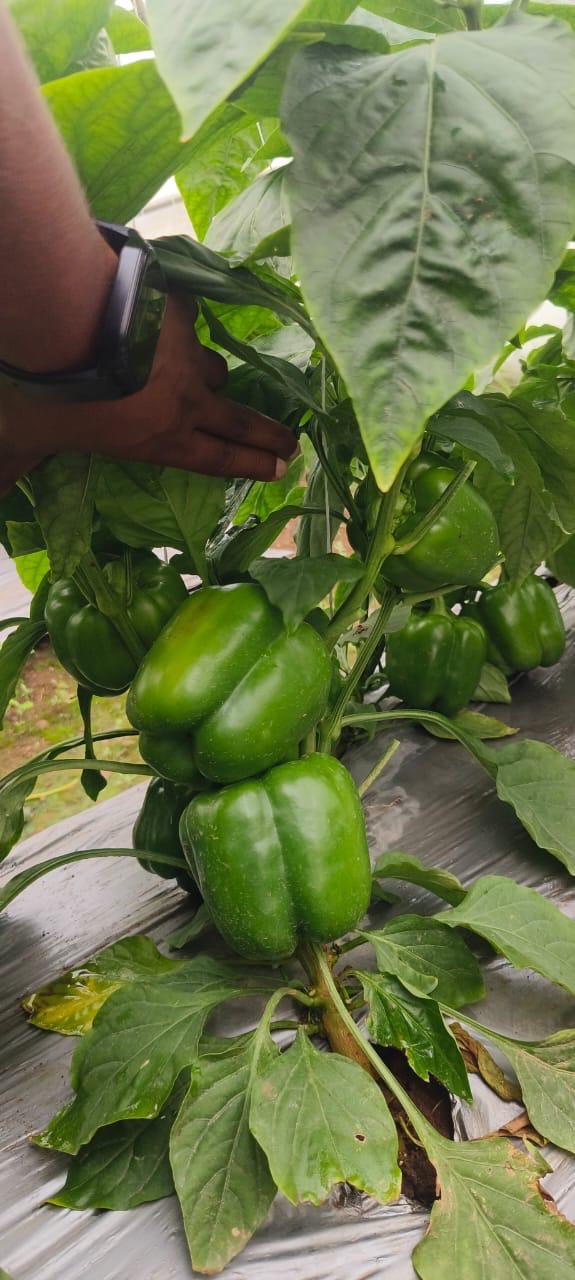
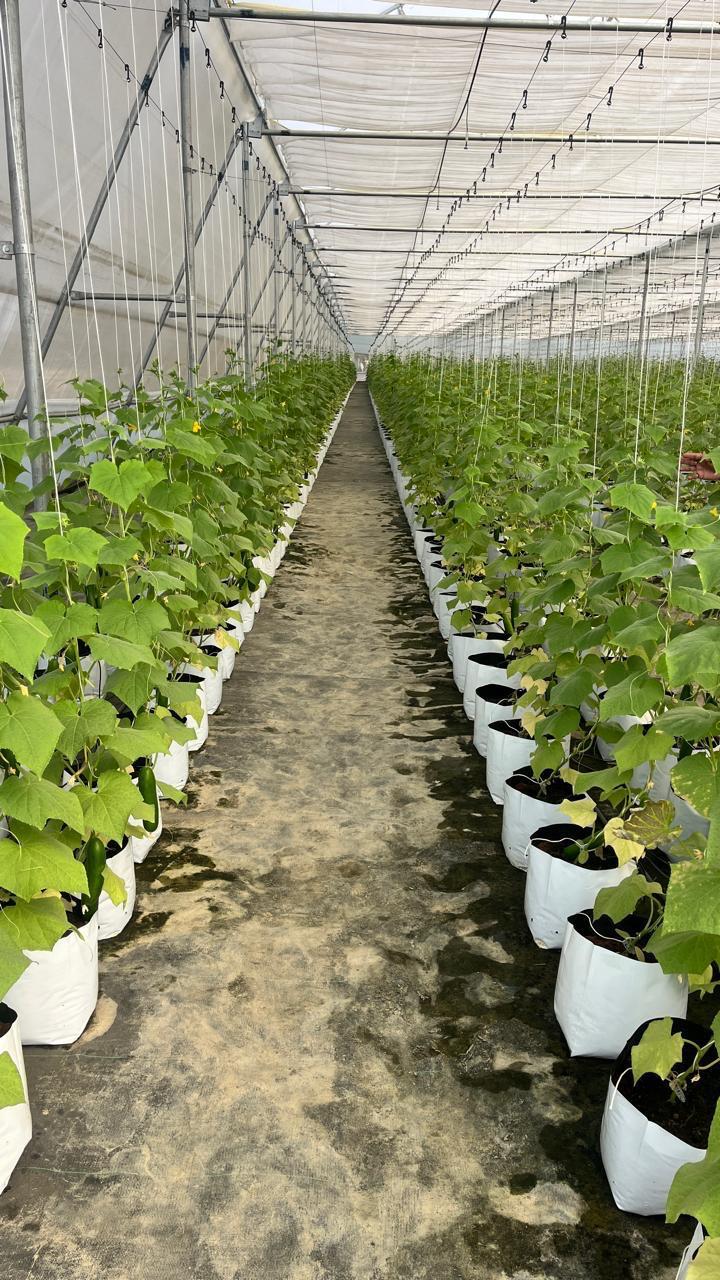
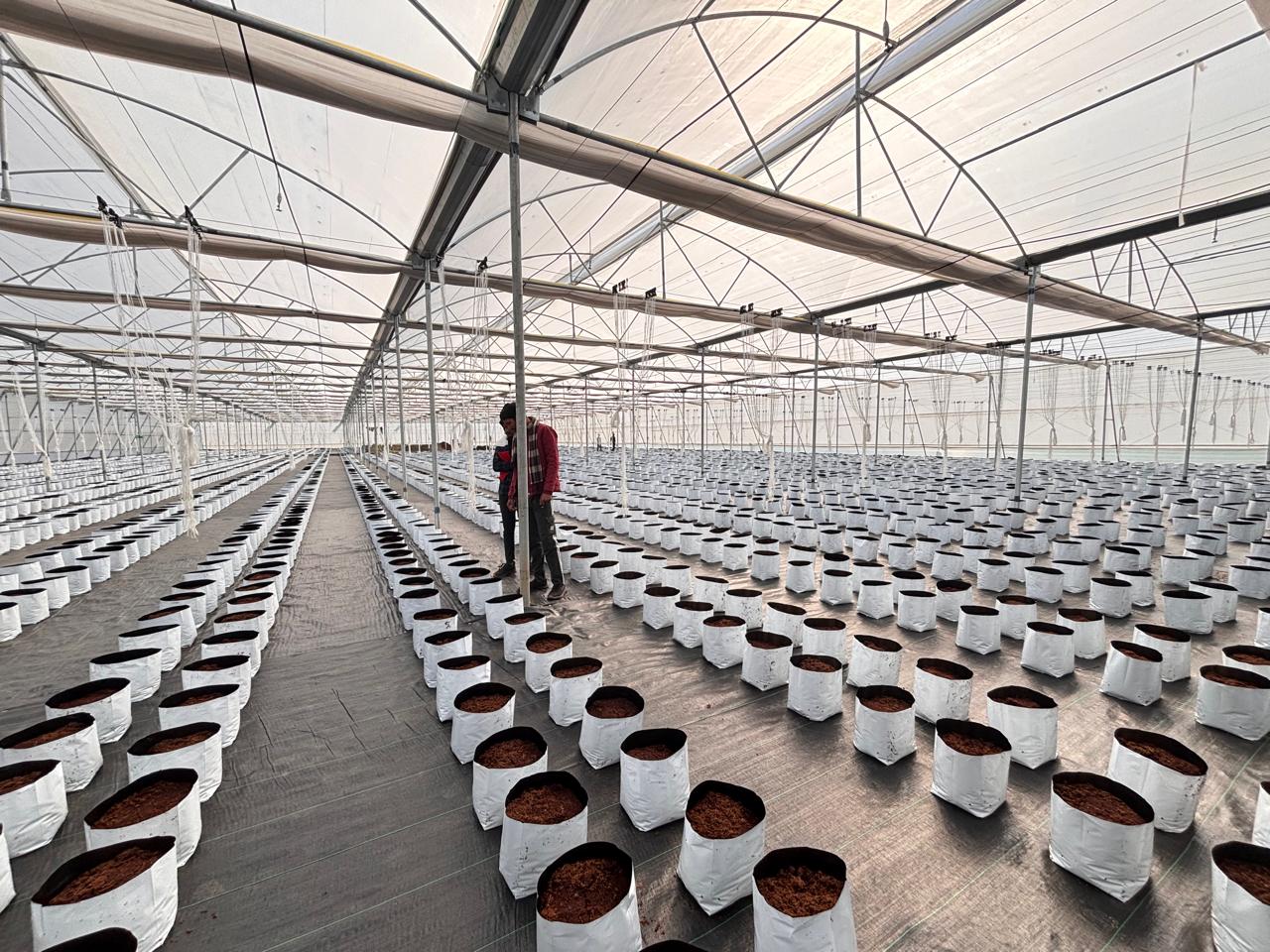
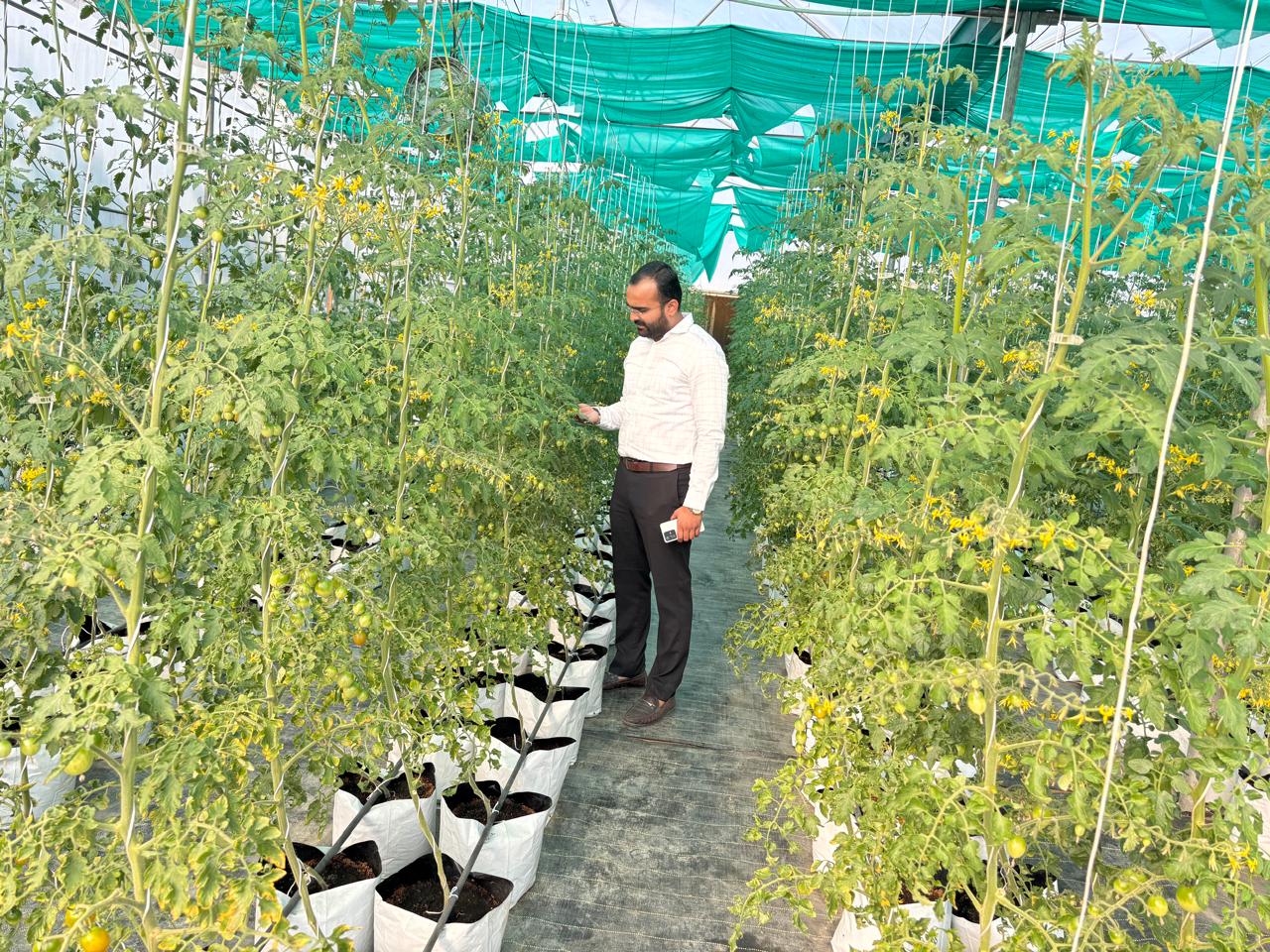
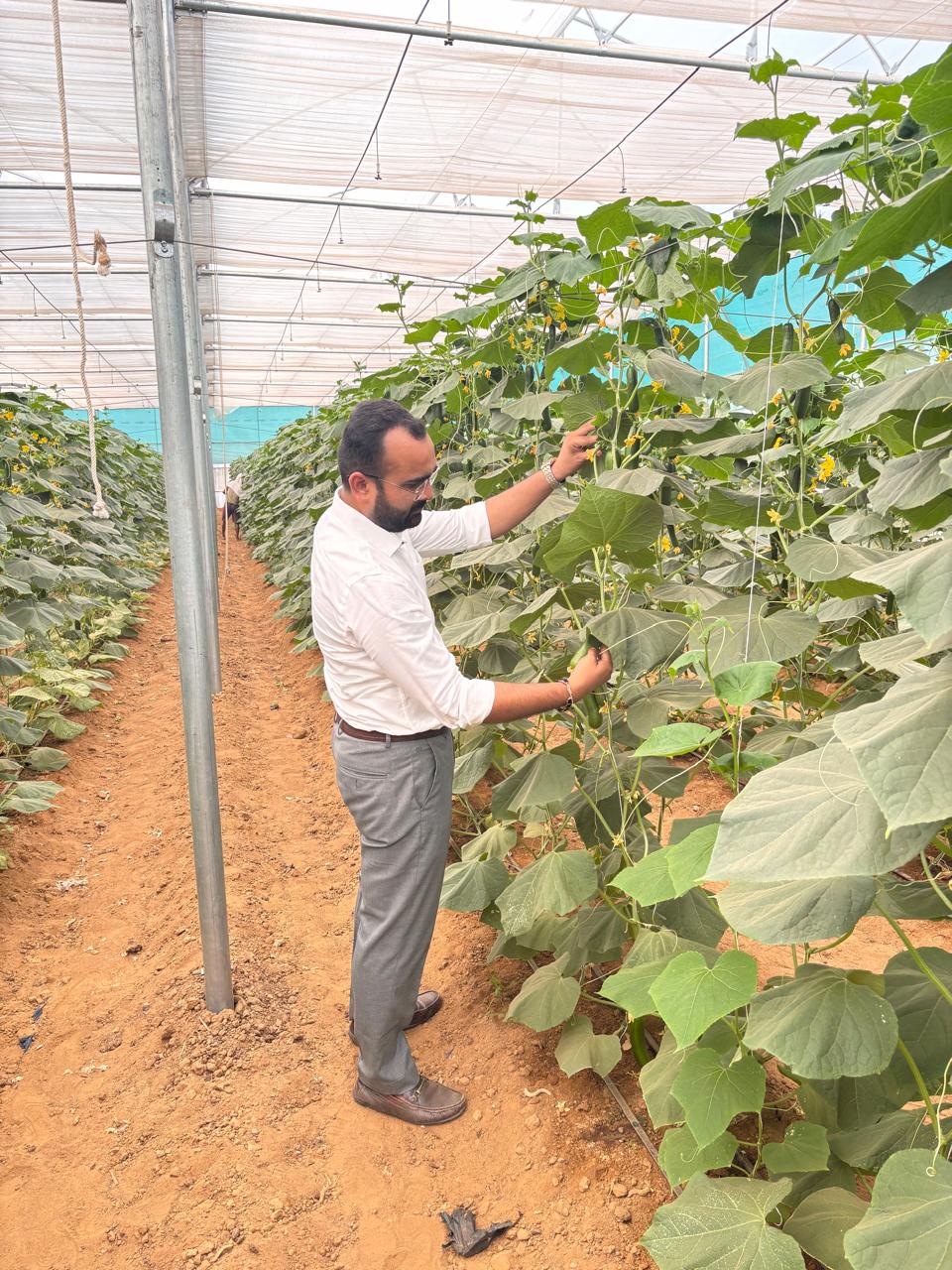
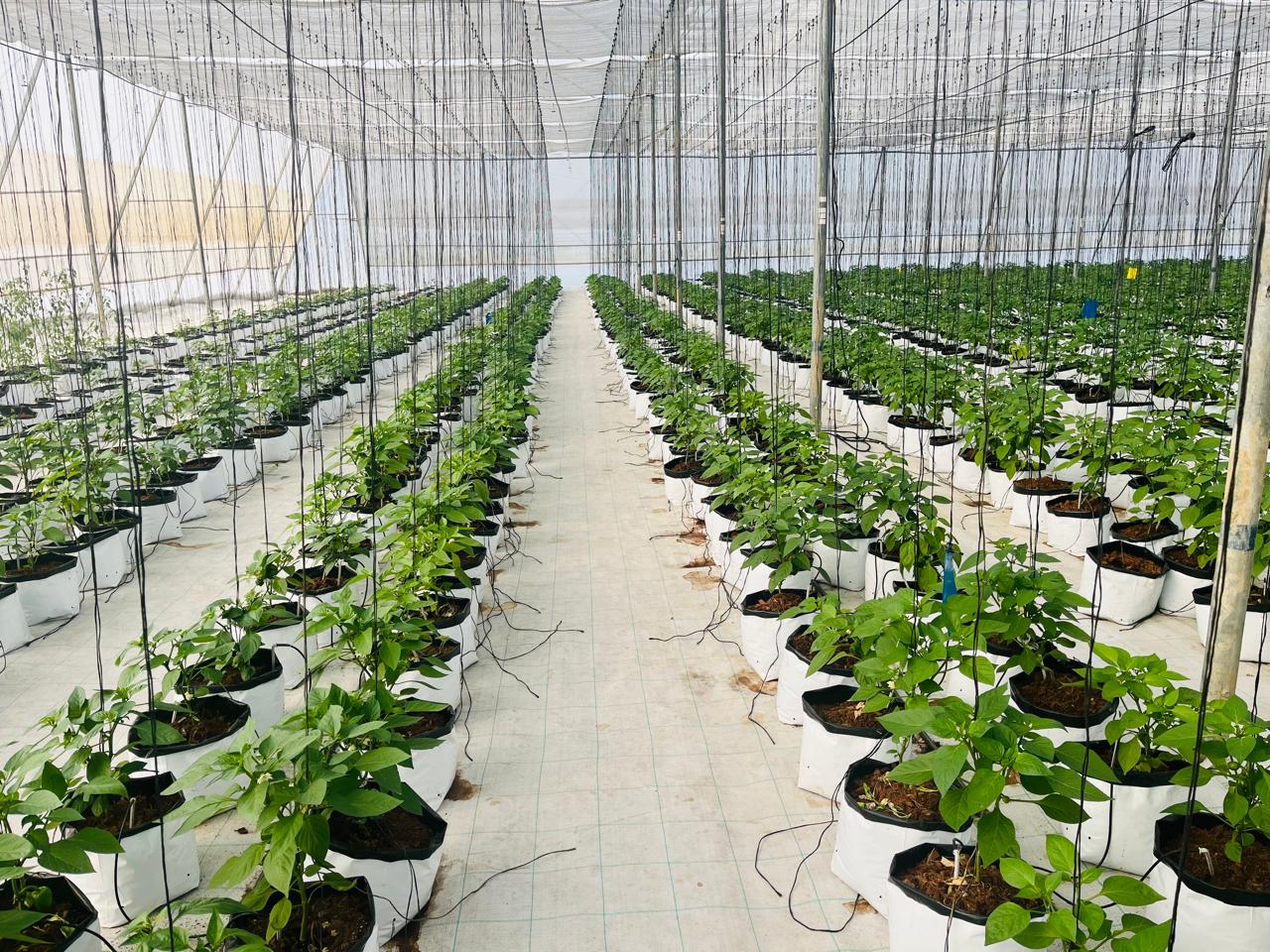
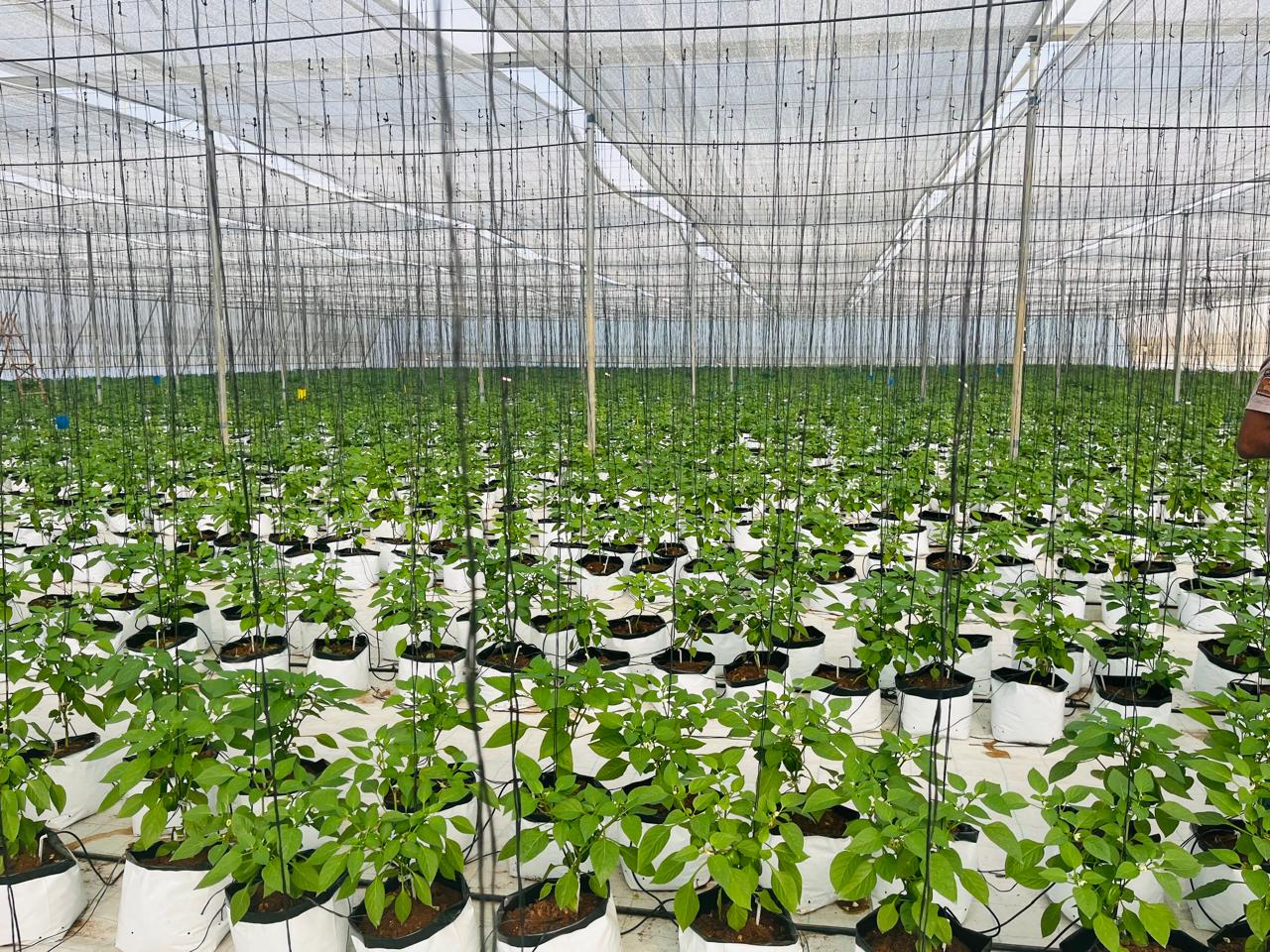
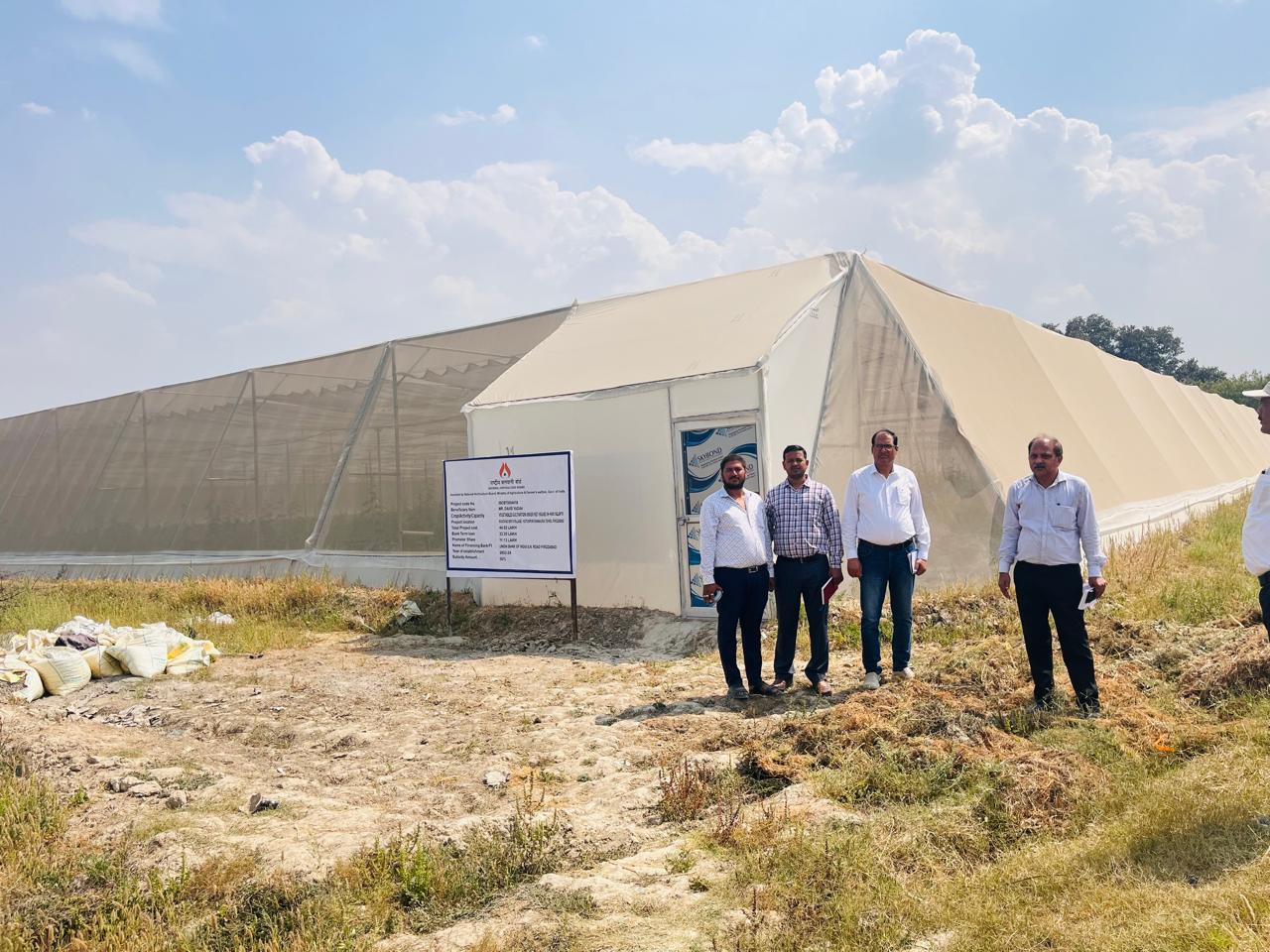
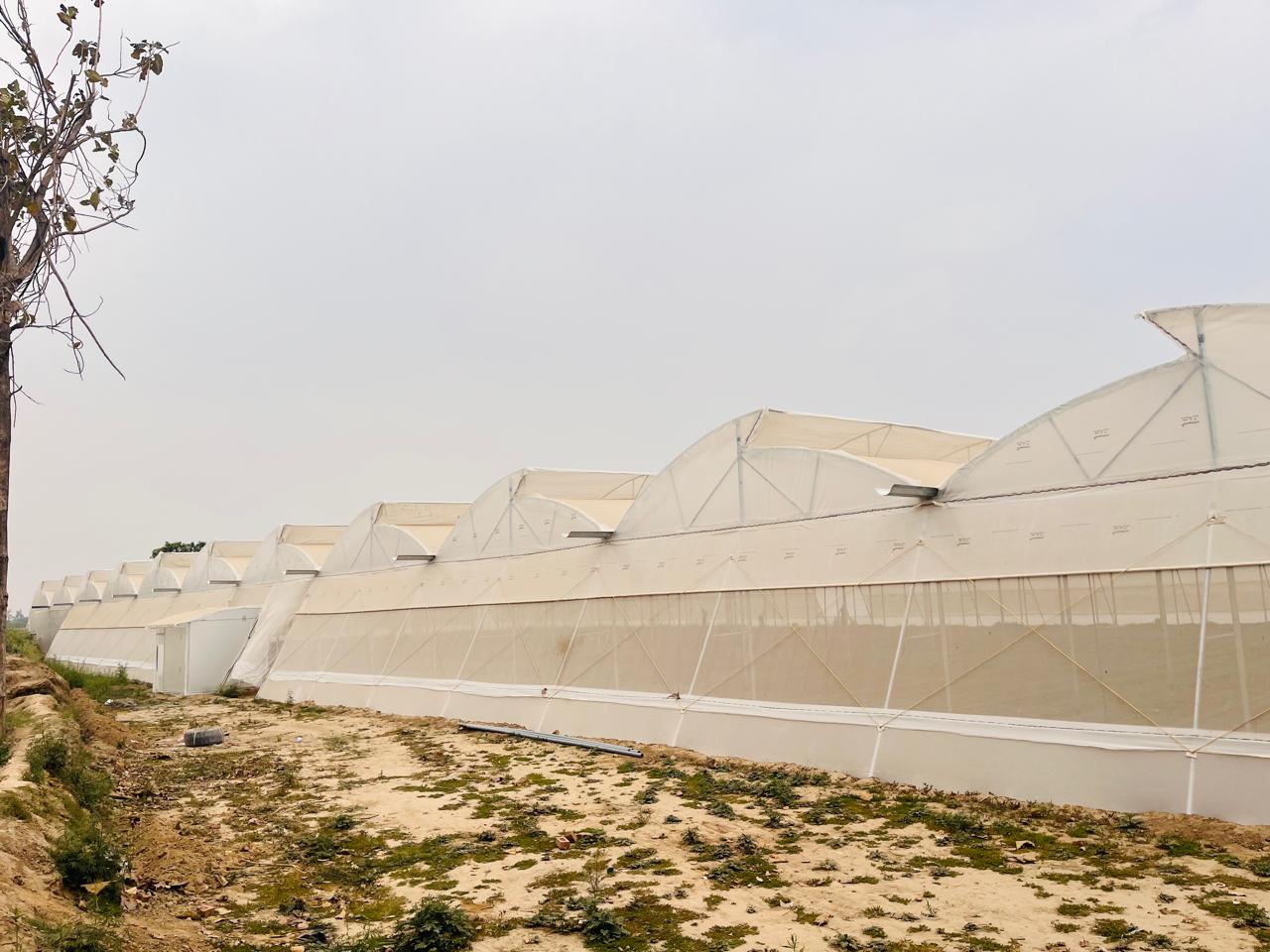
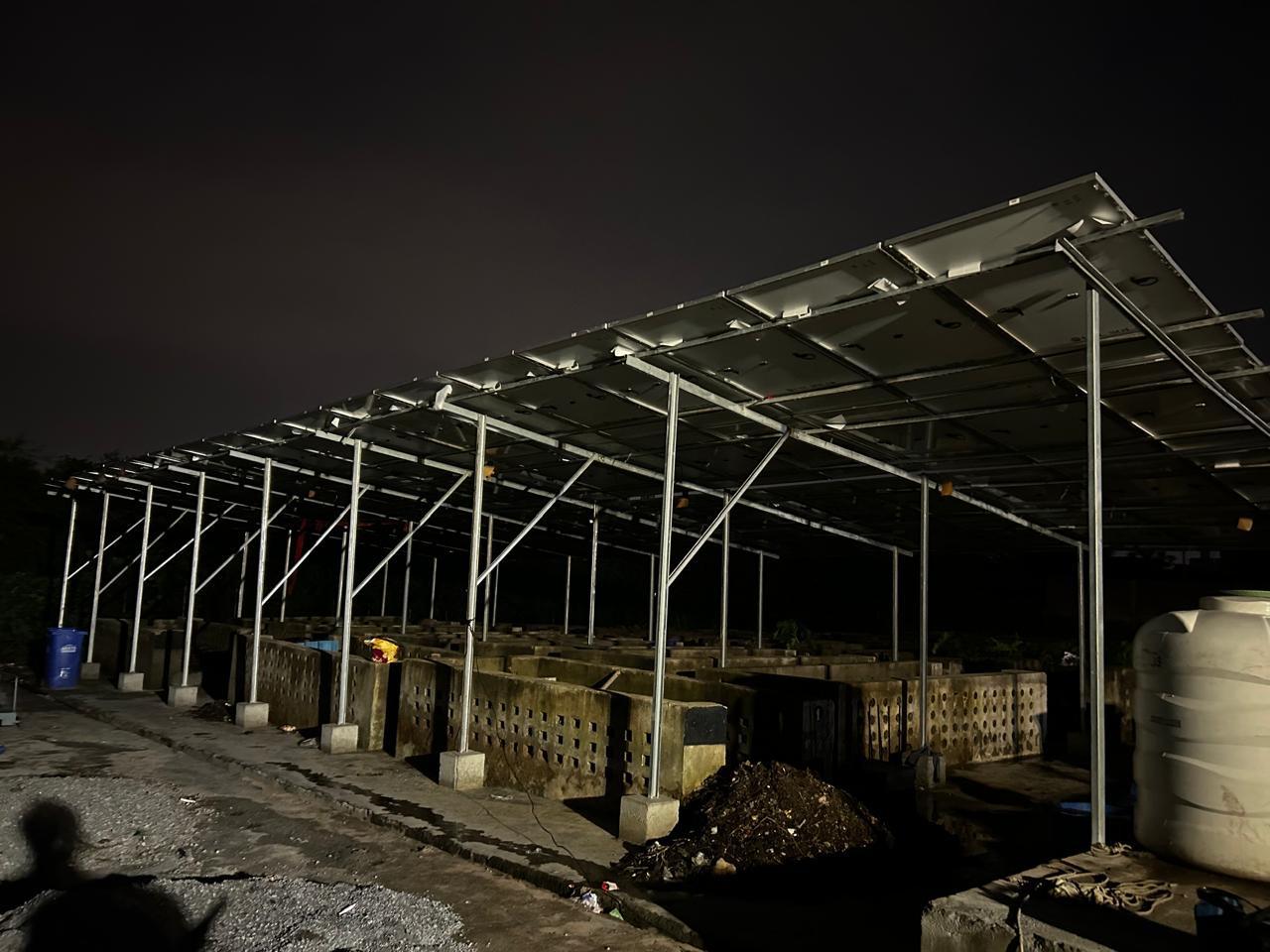
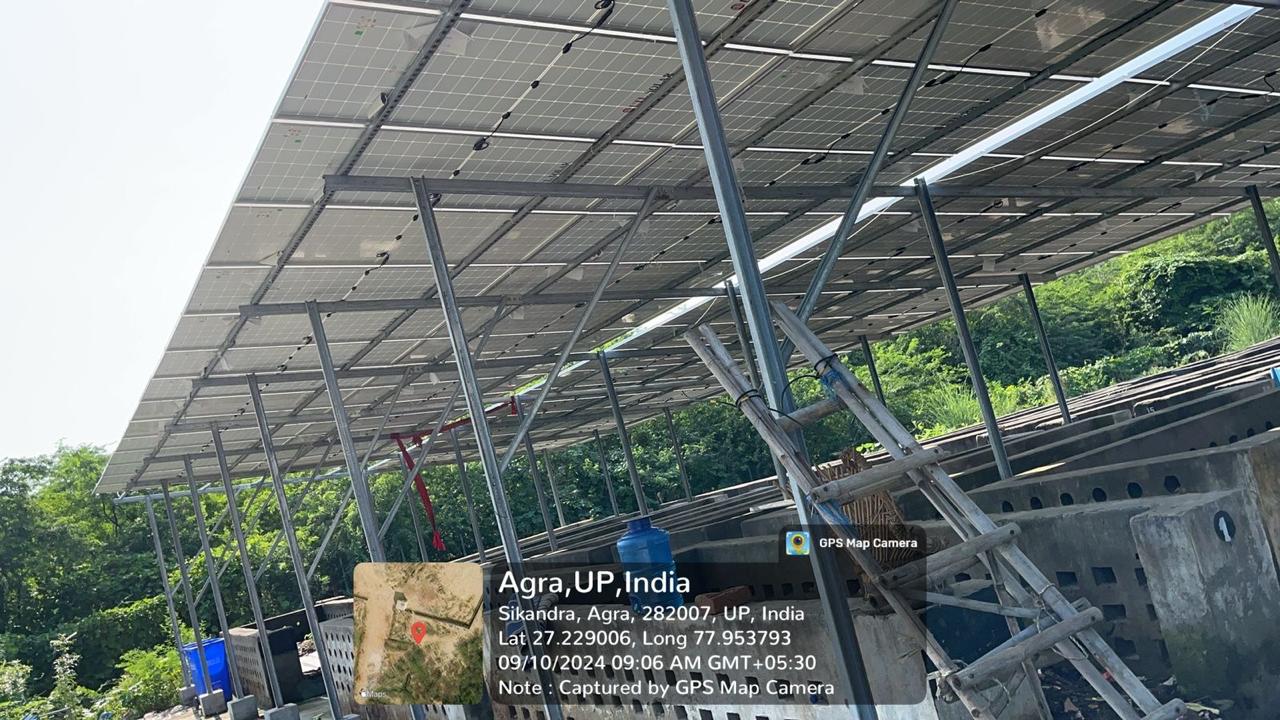
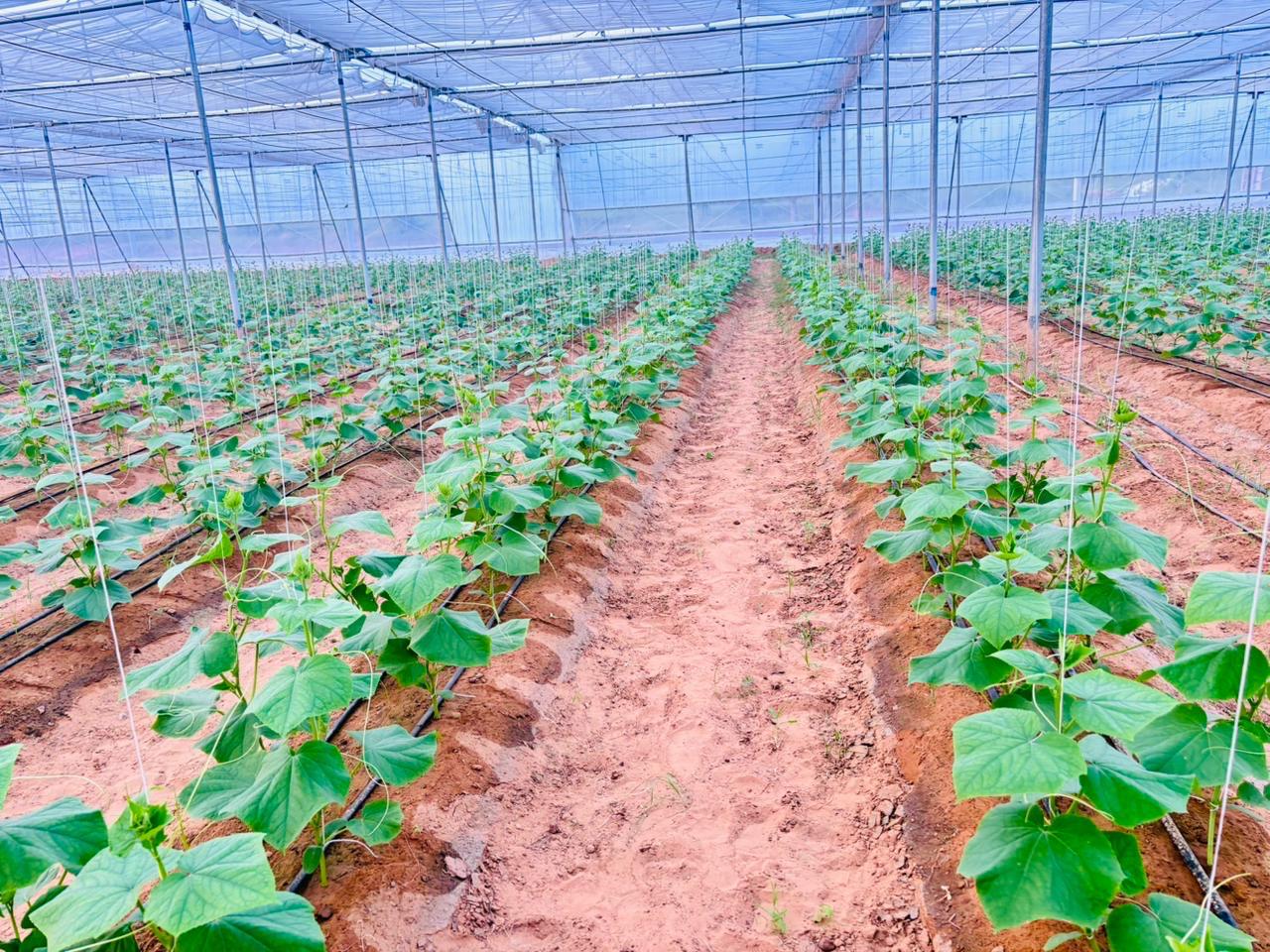
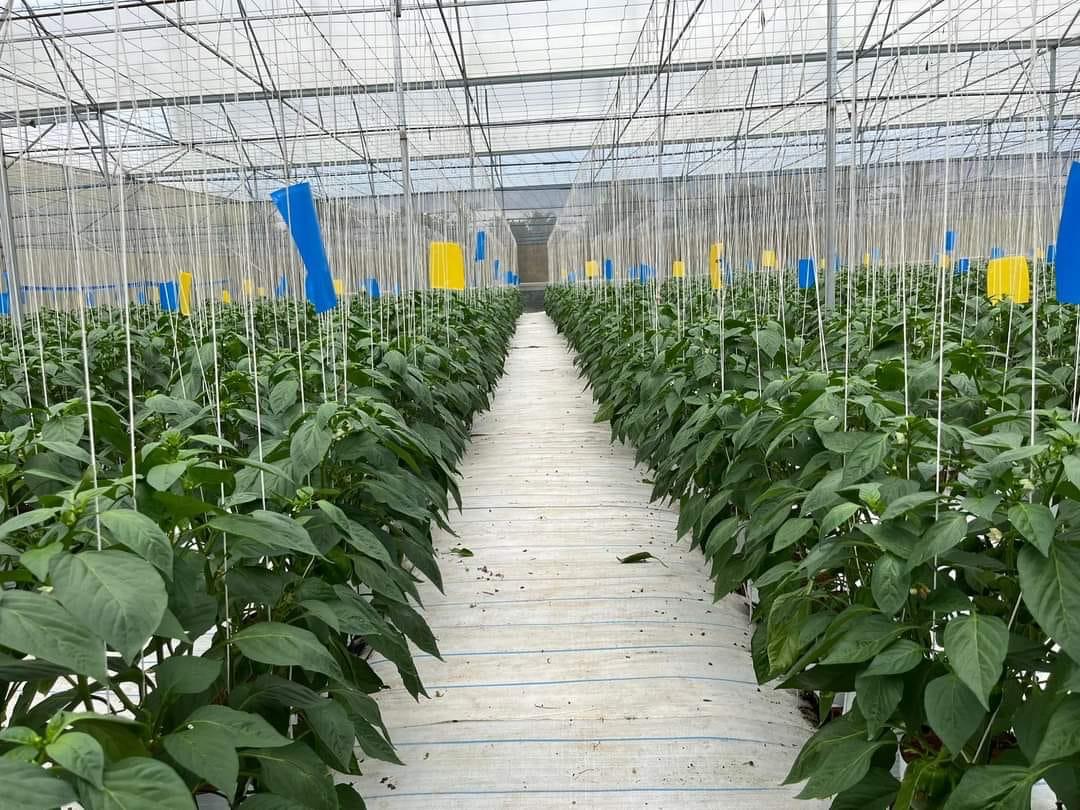
Selected installations across protected cultivation, irrigation, and turnkey agriculture infrastructure.

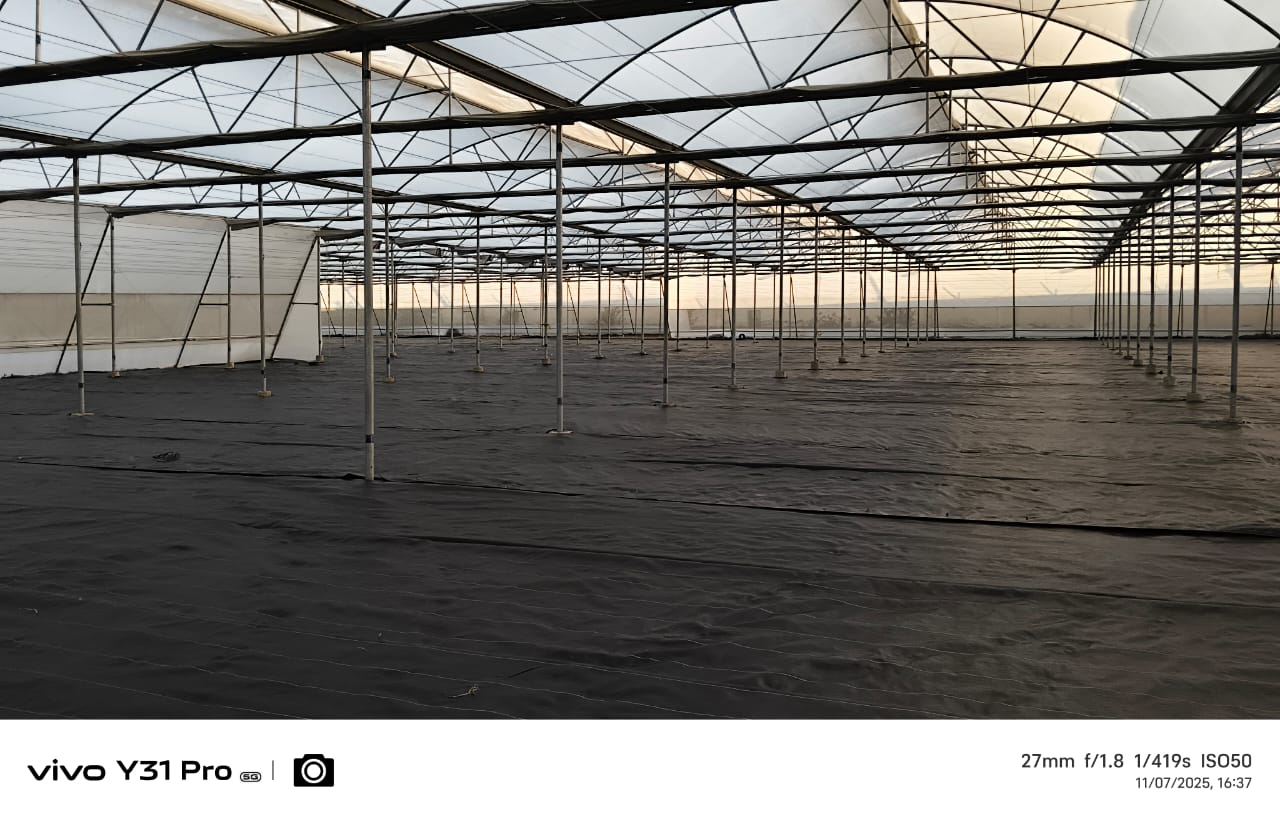
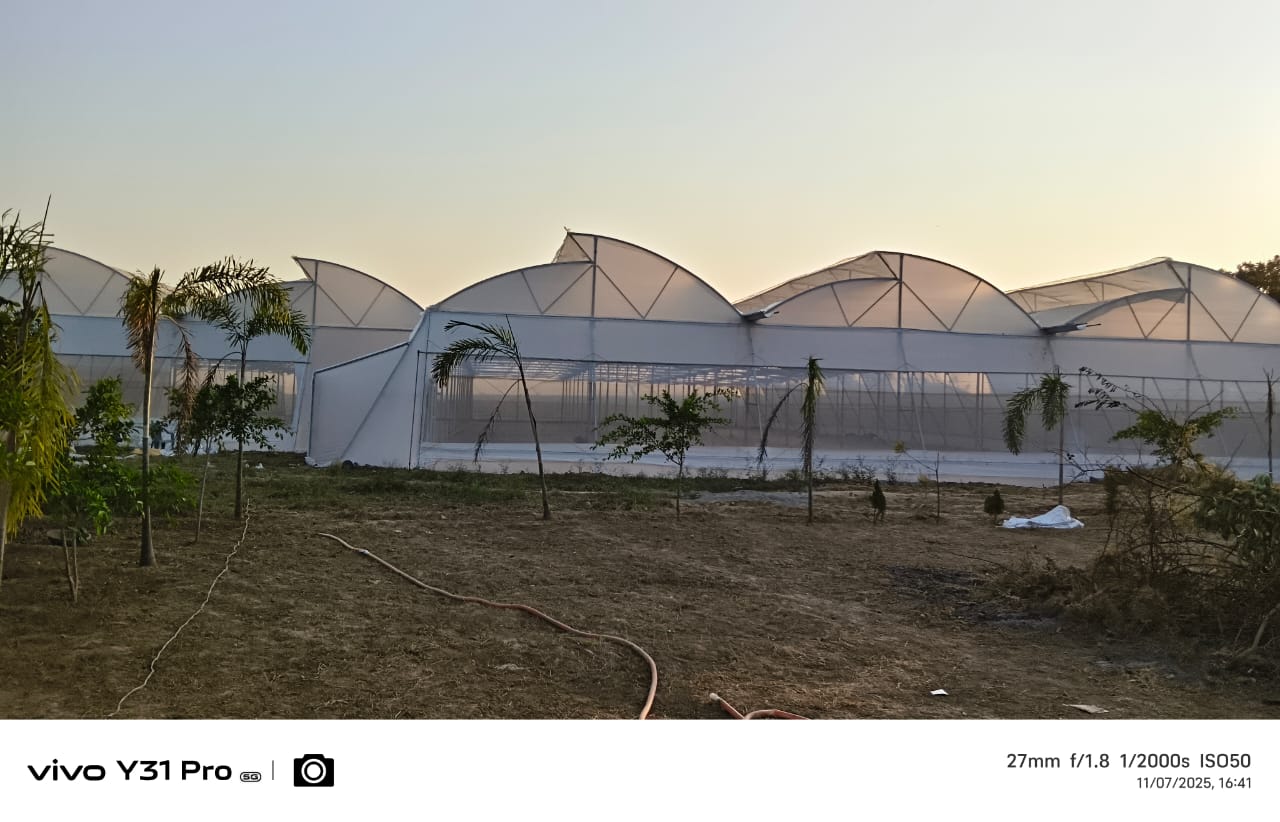
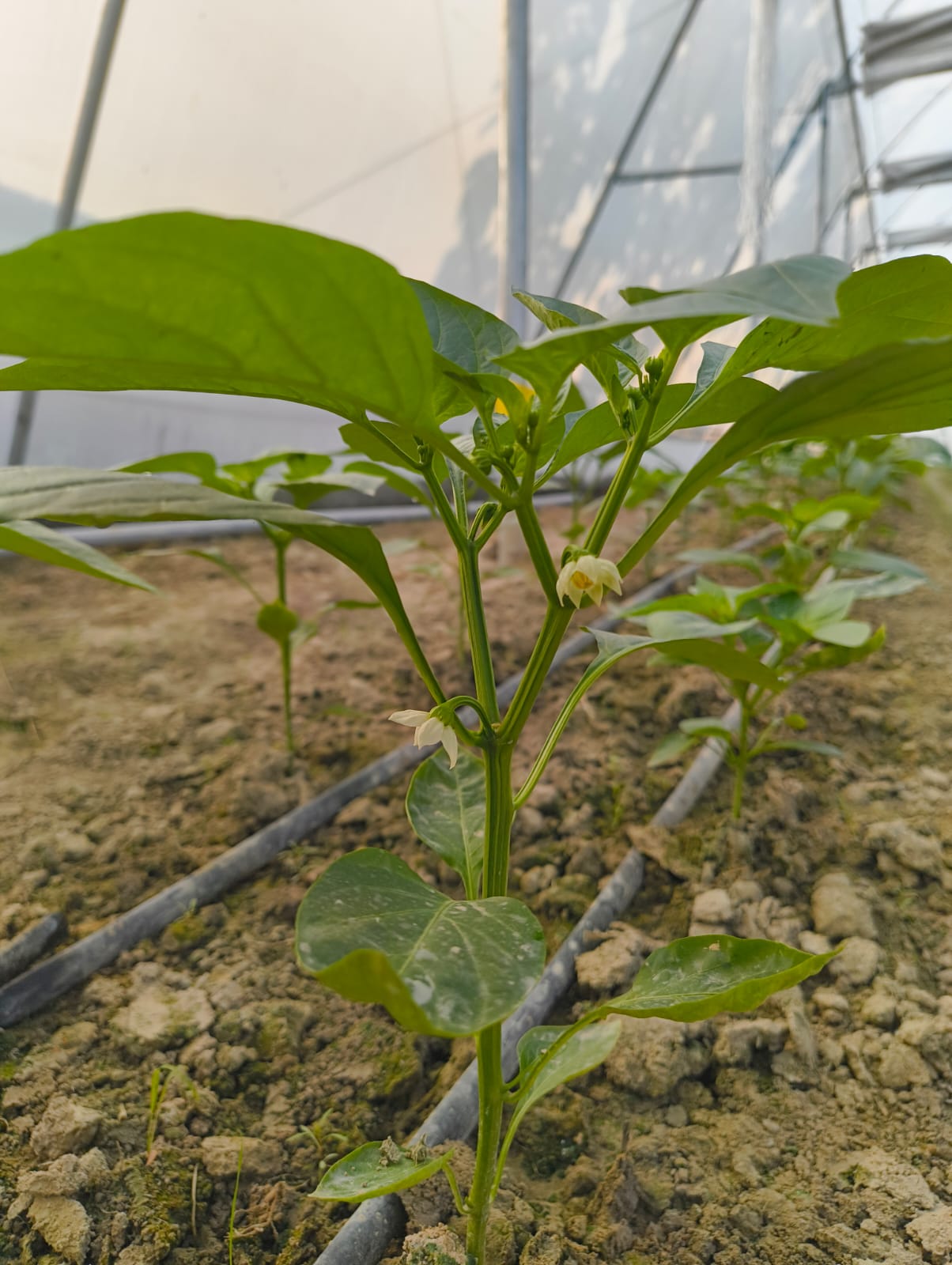
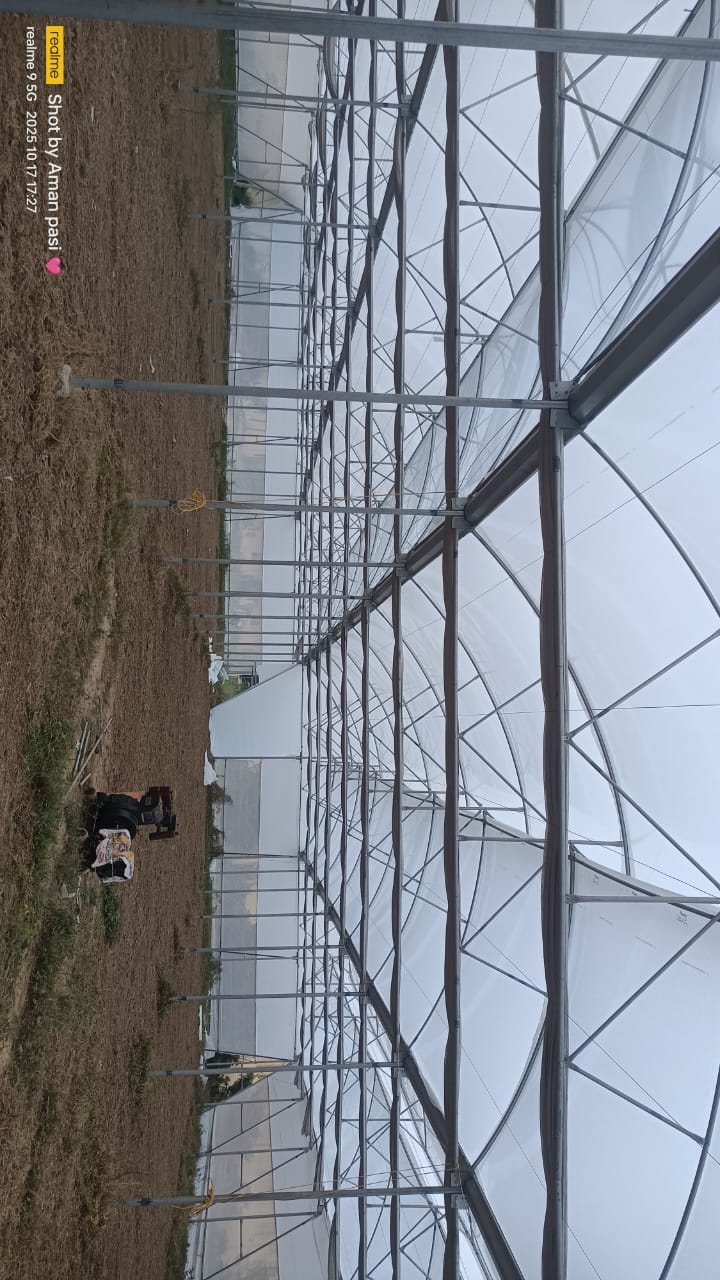
We work with globally proven manufacturers and agri-technology leaders to ensure reliability, longevity, and field performance.
















Transforming climate risks into profitable opportunities through site-specific engineering
For Indian farmers, climate exposure is a direct financial threat. Erratic monsoons, heatwaves, and unseasonal rains decimate yields and quality, turning each season into a high-stakes gamble. Input costs soar while income becomes unpredictable.
This volatility makes traditional open-field farming a vulnerable enterprise. The only logical response is to create a controlled environment. Polyhouse farming acts as both a shield and a profit engine. It transforms climate risks from catastrophic threats into manageable factors, enabling year-round, premium production.
The investment is no longer just in agriculture—it's in predictability and resilience. The real cost isn't the polyhouse; it's the accumulating loss of another failed harvest.
The real cost isn't the polyhouse; it's the accumulating loss of another failed harvest.
For Indian farmers, modern crop protection structures are essential business infrastructure, not luxury items. They mitigate climate risk, enhance quality, and guarantee income stability.
Shade Net Houses: Use woven nets (30-75% shade) to reduce sunlight intensity and heat. Ideal for nurseries, leafy greens, and orchids in hot climates. They prevent sunburn and reduce water evaporation at a low cost.
Insect Net Houses: Act as a physical barrier using fine mesh (40-50 mesh) to exclude pests and virus-carrying insects. Perfect for organic vegetable and herb production, they slash pesticide use by up to 80% and enable premium, residue-free pricing.
Polyhouses/Greenhouses: The ultimate control. UV-stabilized polyethylene sheets create a sealed micro-climate for year-round, off-season cultivation of high-value vegetables (capsicum, cucumber) and flowers (gerbera). They provide complete weather protection and enable precision fertigation.
Modern structures are essential business infrastructure, transforming farming from climate-dependent to predictable.
A standard polyhouse design is a significant financial risk. It ignores the critical environmental loads unique to your location, leading to catastrophic failure or inflated costs.
The primary reason is incorrect wind load specification. A structure rated for 90 km/h winds will collapse in a coastal zone requiring 150 km/h resilience. Conversely, over-engineering for a calm region wastes capital.
Secondly, standard designs disregard local soil conditions. A foundation suited for stable clay will sink in sandy soil, causing structural distortion and tears.
Finally, they often mismatch climate control needs. A generic naturally ventilated design in a high-heat region will overheat, stressing crops and negating the investment's purpose. A fan-pad system in a humid area becomes ineffective.
True durability comes from engineering a structure to your site's specific wind, soil, and climate data.
Your farm's location is unique. Its soil, micro-climate, water, and market access form a specific profile that generic plans ignore. An advisory-led site discussion is the critical first step to de-risking your entire polyhouse investment.
We move beyond sales talk to a collaborative diagnostic. We analyze your soil test, review local weather extremes, assess water quality, and evaluate your target market's demands. This conversation aligns your goals—profitability, crop choice, and scale—with the physical and economic reality of your land.
The outcome is clarity: a tailored feasibility assessment that specifies the correct structure type, suitable crops, and a realistic financial projection. This ensures your investment is engineered for durability and optimized for profit from day one.
The foundation of success is a site-specific, data-driven assessment, not generic guesswork.
Soil, climate & market assessment
Structure & system engineering
Quality-controlled execution
Crop & market strategy
“The site-specific analysis prevented us from making a ₹15L mistake on an incorrect structure design. Their advisory approach turned our high-risk investment into a predictable revenue stream.”
Rajesh Kumar
Capsicum Farmer, Maharashtra | 4-acre Polyhouse