
What is Drip Irrigation? Complete Guide for Indian Farmers
December 29, 2025
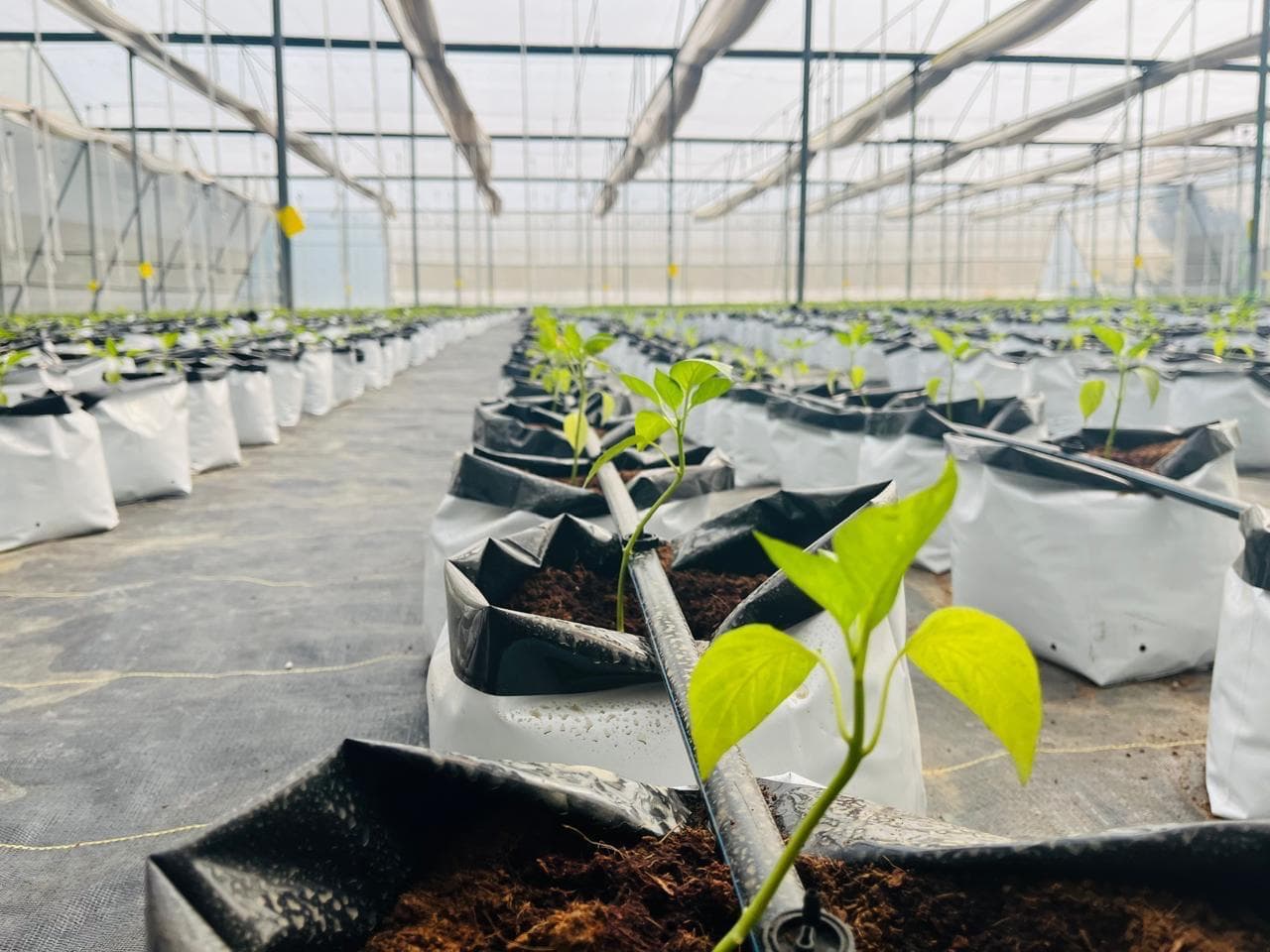
This guide explains what drip irrigation is, how it works, its cost, government subsidies, and why it is one of the best irrigation methods for Indian farmers.
What is Drip Irrigation?
Drip irrigation is a micro-irrigation system that delivers water slowly and directly to the root zone of plants through a network of pipes and emitters.
Instead of flooding the entire field, drip irrigation supplies water drop by drop exactly where the plant needs it. This ensures maximum water use efficiency and better crop growth.
Drip irrigation is also known as:
- Trickle irrigation
- Micro irrigation
- Per drop irrigation
How Does Drip Irrigation Work?
A drip irrigation system works by maintaining low pressure and controlled water flow.
Water flows from the source through filters, pipes, and laterals, and finally reaches the plant roots via emitters.
Basic working process:
- Water is pumped from borewell, open well, canal, or tank
- Filters remove sand, silt, and impurities
- Mainline and sub-main pipes carry water to the field
- Lateral pipes distribute water along crop rows
- Emitters release water slowly near plant roots
This method keeps the soil moist but not waterlogged, which is ideal for most crops.
Main Components of a Drip Irrigation System
Water Source
- Borewell
- Open well
- Farm pond
- Canal or river lift irrigation
Filtration Unit
Filters are the most important component.
- Sand filter for surface water
- Screen or disc filter for borewell water
Mainline and Sub-Main Pipes
- Usually HDPE or PVC pipes
- Carry water from pump to field blocks
Laterals
- Thin LDPE pipes laid along crop rows
- Available in different diameters
Emitters (Drippers)
- Control water discharge
- Available in 2 LPH, 4 LPH, 8 LPH, etc.
- Can be inline or online type
Fertigation Unit
- Venturi or fertilizer tank
- Allows fertilizer application through irrigation water
Crops Suitable for Drip Irrigation in India
Drip irrigation is suitable for most crops, especially high-value and water-sensitive crops.
Common crops under drip irrigation:
- Fruits: banana, grapes, pomegranate, mango, citrus
- Vegetables: tomato, chilli, brinjal, cucumber, capsicum
- Field crops: sugarcane, cotton, maize
- Plantation crops: coconut, arecanut, coffee
- Flowers and polyhouse crops
Advantages of Drip Irrigation for Indian Farmers
Water Saving
- Saves 40–60% water compared to flood irrigation
- Ideal for water-scarce regions
Higher Yield
- Uniform water and nutrient supply
- Yield increase of 20–50% in many crops
Fertilizer Efficiency
- Fertigation reduces fertilizer wastage
- Saves 25–30% fertilizers
Reduced Weed Growth
- Water applied only near plant roots
- Less weed infestation
Suitable for All Terrains
- Works well in uneven land and sandy soils
Cost of Drip Irrigation System in India
The cost of drip irrigation depends on crop type, spacing, water source, and system design.
Approximate cost per acre:
- Fruit crops: ₹45,000 – ₹70,000 per acre
- Vegetables: ₹35,000 – ₹55,000 per acre
- Sugarcane and cotton: ₹40,000 – ₹60,000 per acre
Actual cost may vary based on:
- Crop spacing
- Field size and shape
- Quality of components
- Automation and fertigation options
Government Subsidy on Drip Irrigation (PMKSY)
The Government of India promotes drip irrigation under PMKSY – Per Drop More Crop scheme.
Subsidy Benefits
- 45% to 55% subsidy for general category farmers
- Up to 70% subsidy for SC/ST farmers in many states
- State-specific additional benefits may apply
Eligible Farmers
- Small and marginal farmers
- Individual farmers
- Farmer Producer Organizations (FPOs)
- Horticulture growers
Crops Covered
- Fruits
- Vegetables
- Sugarcane
- Cotton
- Plantation crops
Subsidy amount is credited directly to the farmer’s bank account after installation and inspection.
Is Drip Irrigation Worth the Investment?
Yes. Although initial cost seems high, drip irrigation usually recovers investment within 1–3 seasons through:
- Water savings
- Increased yield
- Reduced fertilizer and labor cost
- Better crop quality and uniformity
For subsidy beneficiaries, the payback period is even shorter.
Common Mistakes Farmers Should Avoid
- Installing drip without proper design
- Skipping filtration system
- Using poor quality laterals and emitters
- Not flushing the system regularly
- Improper fertigation practices
A properly designed and installed system is critical for long-term success.
Need Help with Drip Irrigation Design or Subsidy?
Every farm is different. Crop spacing, soil type, water source, and field layout must be considered before installing drip irrigation.
If you are planning to install a drip irrigation system or want assistance with:
- System design
- Cost estimation
- PMKSY subsidy process
- Installation and maintenance guidance
Get expert support to avoid costly mistakes and maximize benefits.